


 English
 Español
Hot Products
-
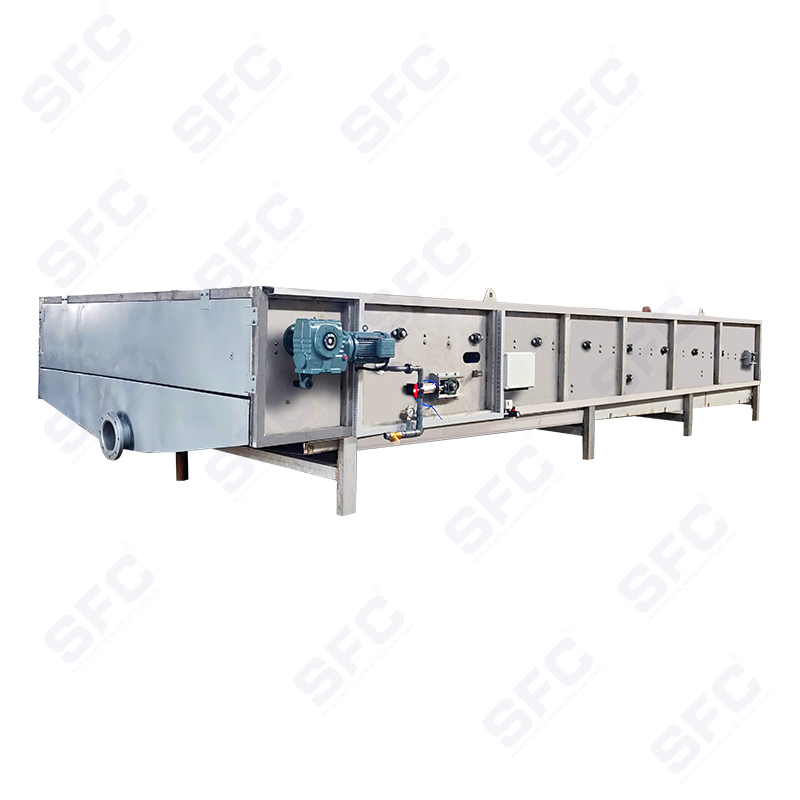 FBT series belt type sludge thickener
-
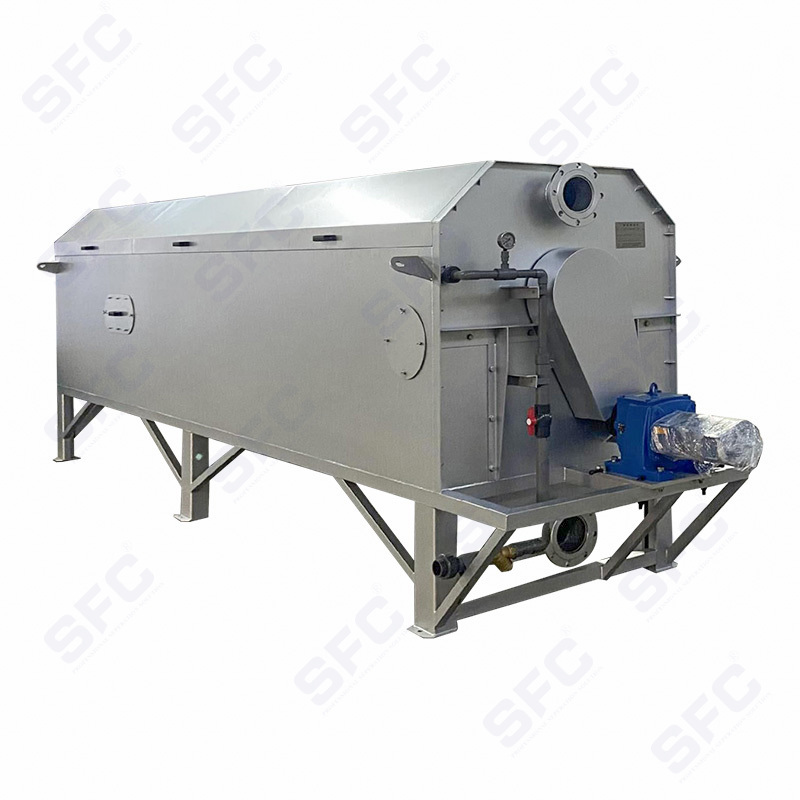 FRDT series rotary drum sludge thickener
-
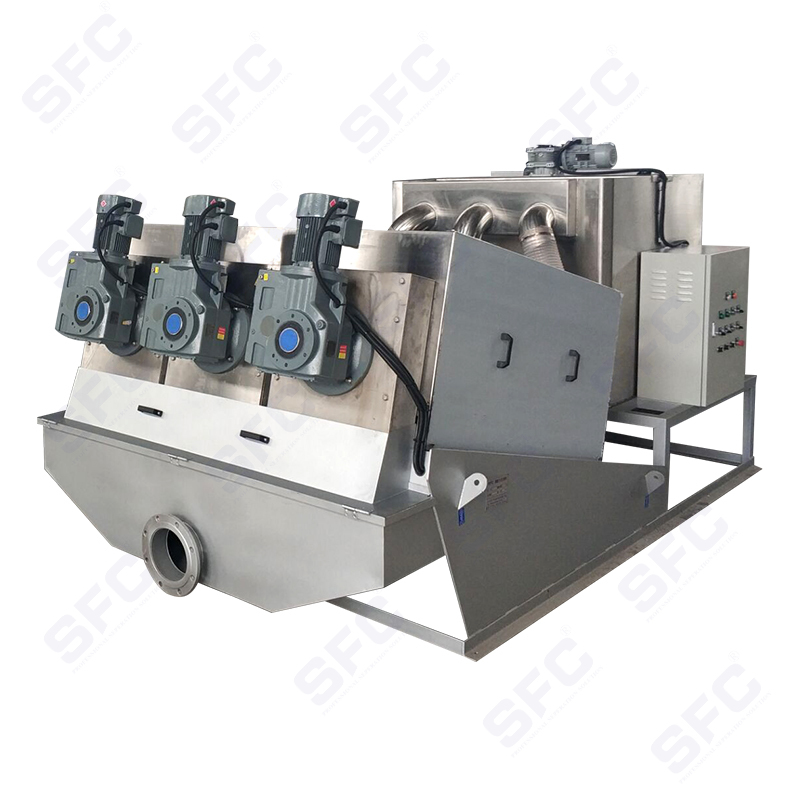 SST series screw type sludge thickener
-
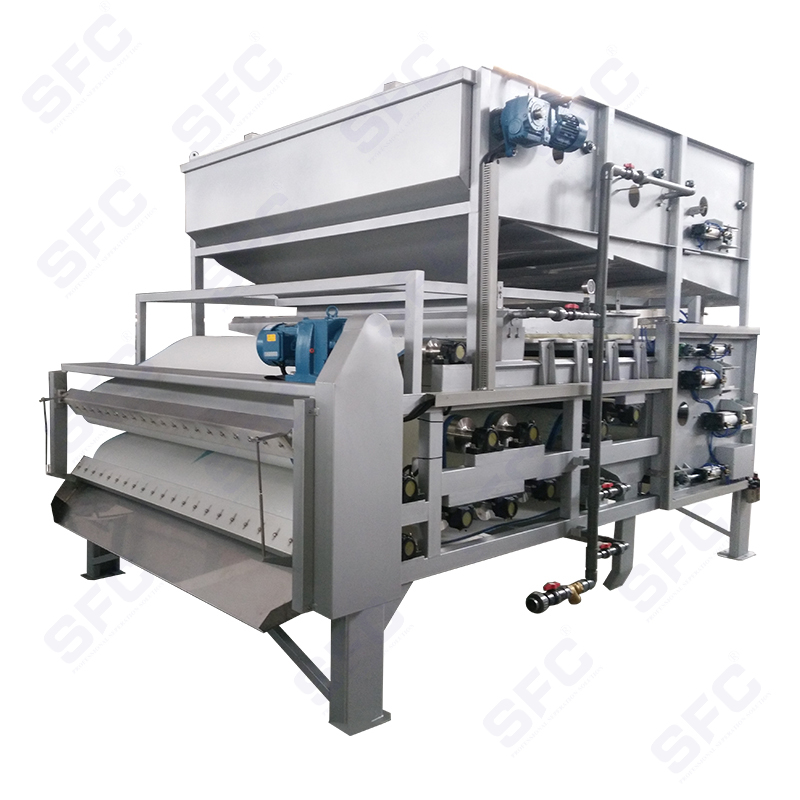 Belt type sludge thickening and dewatering machine
-
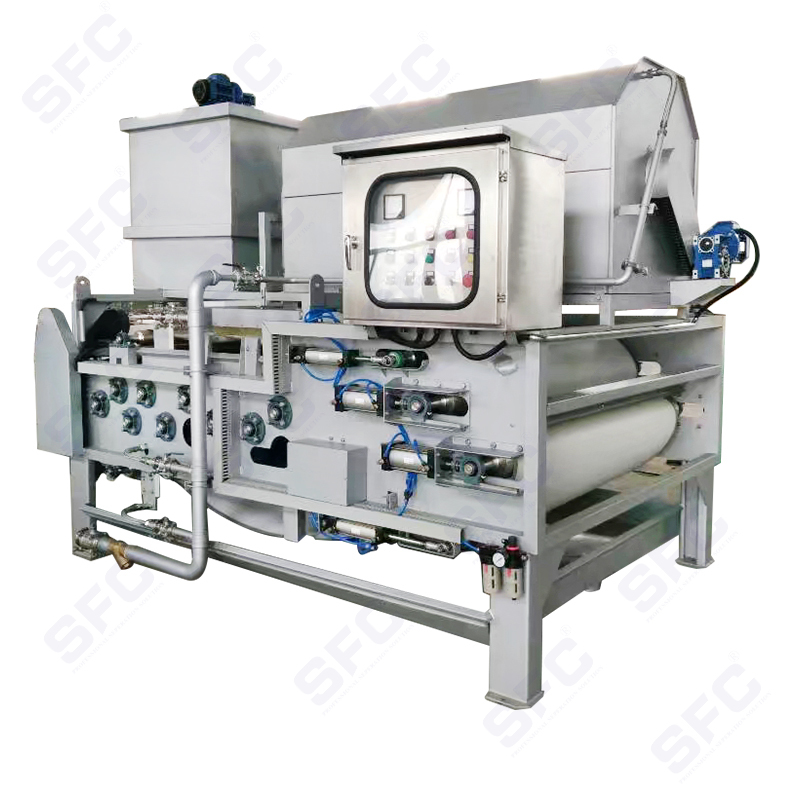 FTB series rotary drum sludge dewatering machine
-
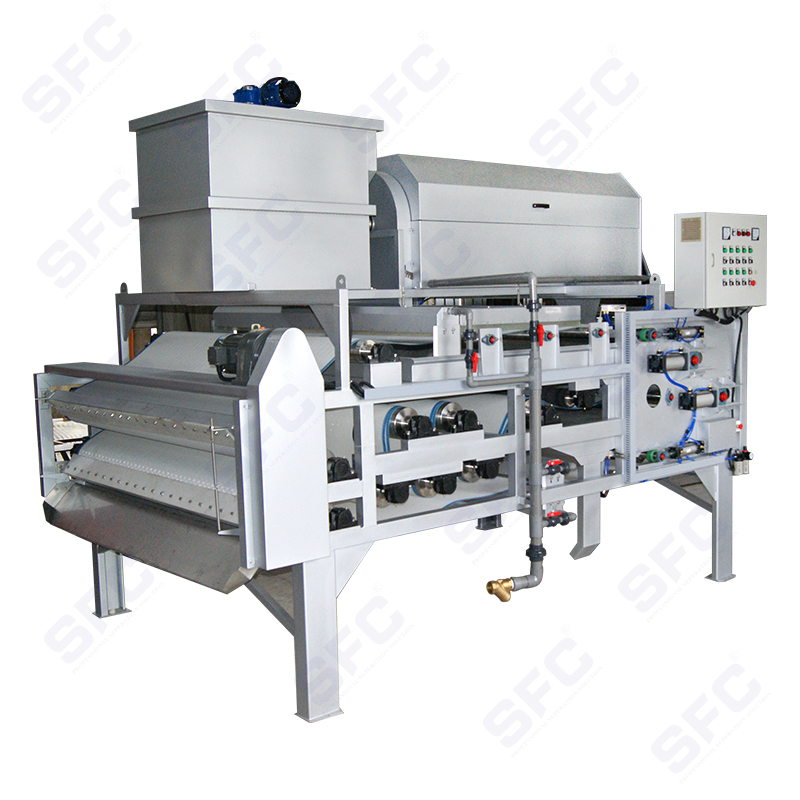 FTE series rotary drum sludge dewatering machine
-
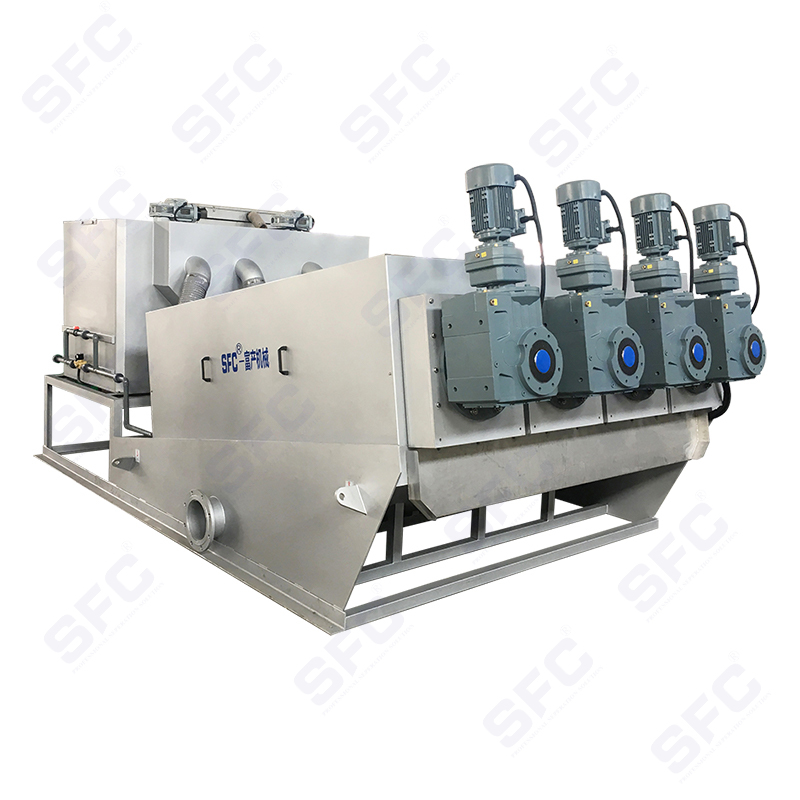 DL series screw sludge dehydrator/ screw type sludge dewatering machine
-
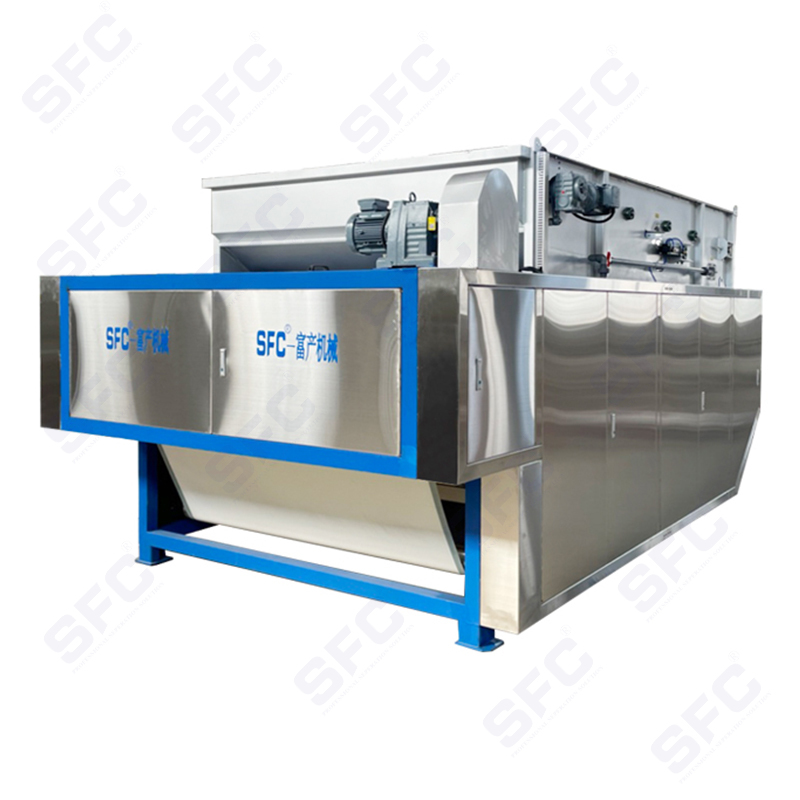 GDY series belt sludge concentration and dewatering machine
-
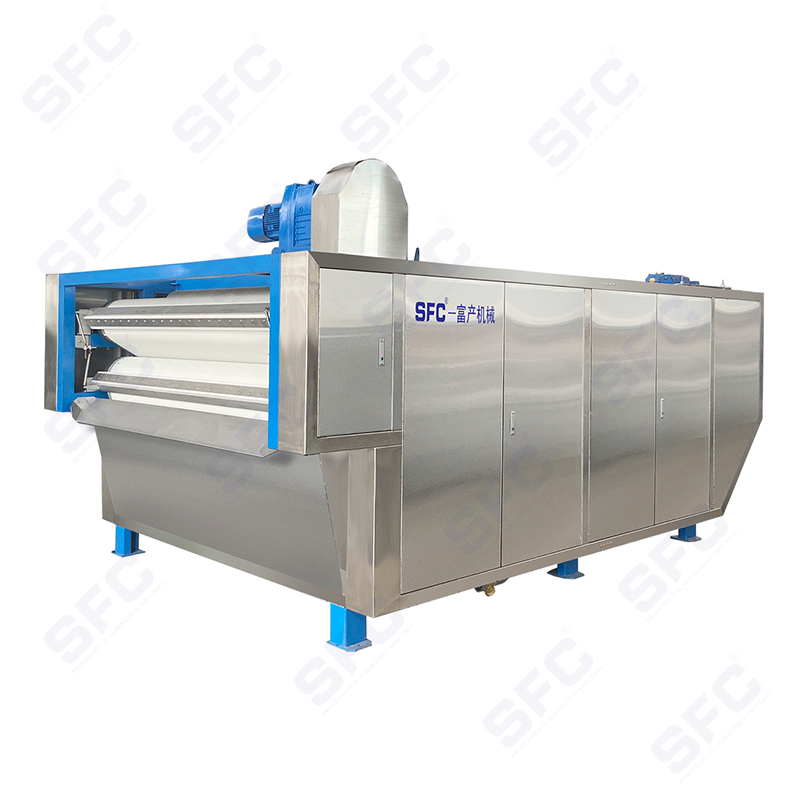 SD-High pressure sludge deep dewatering system
-
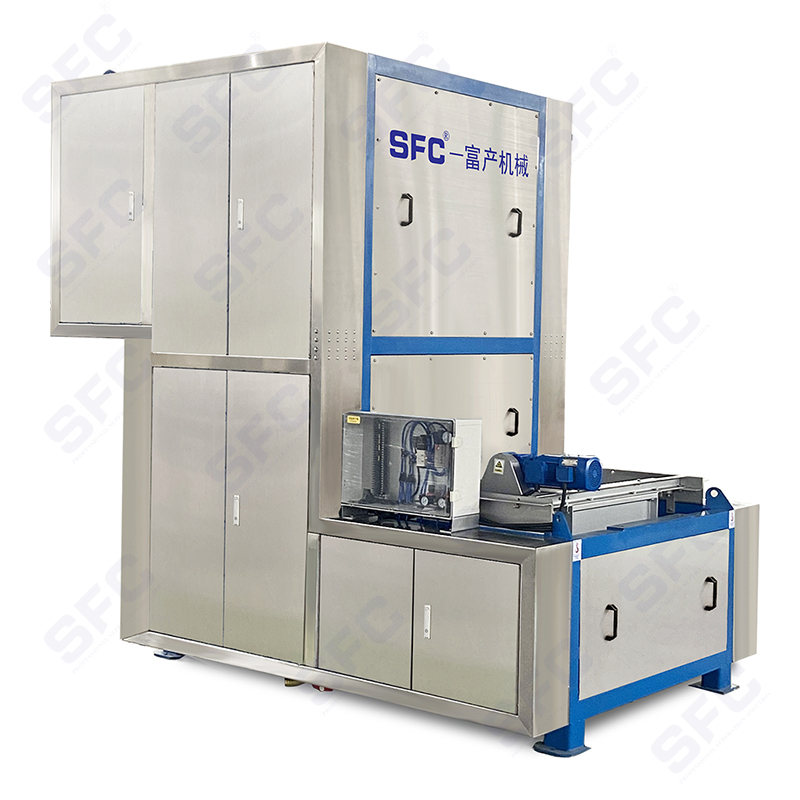 LSD-High pressure sludge deep dewatering system
-
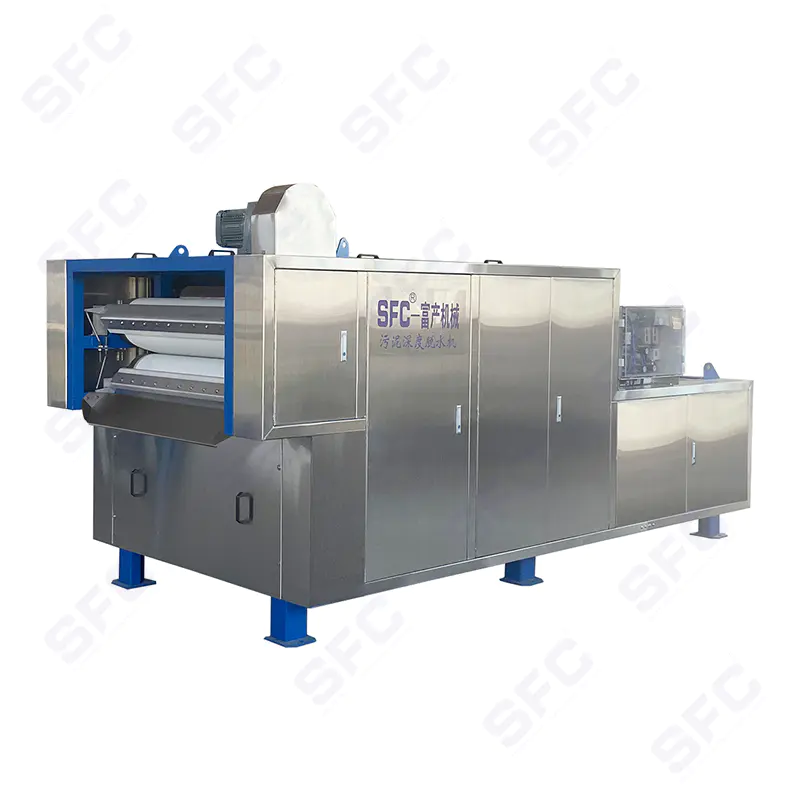 ZSD-High pressure sludge deep dewatering system
-
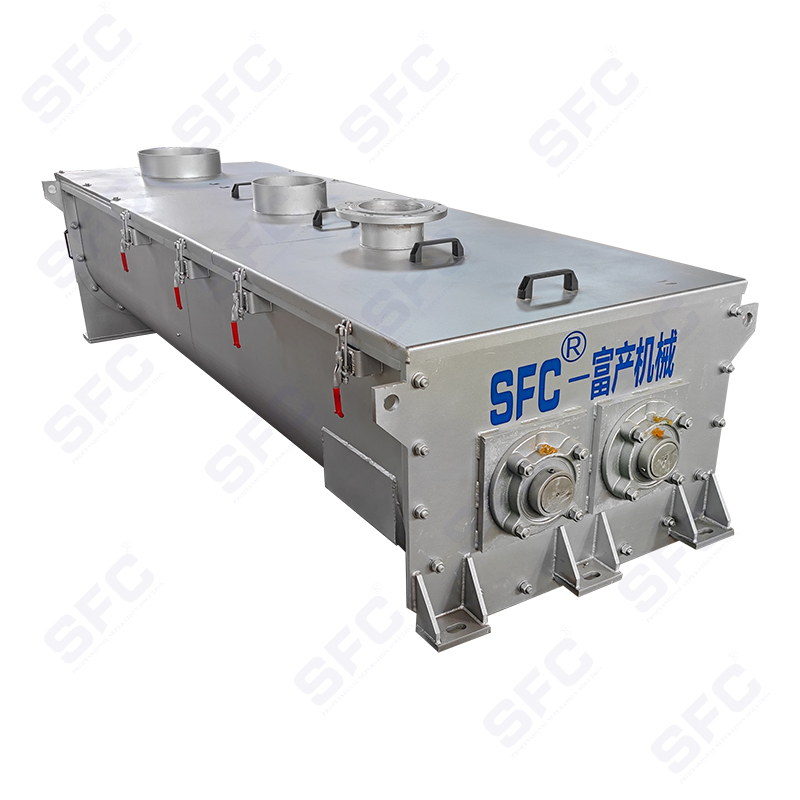 SFC-DM sludge mixer
Deep Sludge Dewatering Machine: Types, Uses & Buyer Guide
Managing sludge from wastewater treatment, industrial processes, or dredging operations is one of the most operationally demanding challenges in environmental and process engineering. When sludge is particularly dense, highly viscous, or contains a high proportion of fine particles — what the industry commonly refers to as "deep sludge" — standard dewatering equipment often falls short. Deep sludge dewatering machines are purpose-built to handle these difficult materials, reducing moisture content to levels that make transportation, disposal, or downstream reuse practical and cost-effective. This article explains how these machines work, what types are available, and what buyers and engineers need to evaluate before selecting the right system.
What Makes Sludge "Deep" and Why It Requires Specialized Equipment
The term "deep sludge" refers to sludge with a high initial solids concentration, high organic content, or fine particle size distribution that resists conventional mechanical dewatering. This type of sludge is commonly generated in municipal wastewater treatment plants (particularly from anaerobic digesters), paper and pulp mills, food processing facilities, pharmaceutical manufacturing, and dredging of harbor or river sediments. Its rheological properties — high viscosity, thixotropic behavior, and poor filterability — mean that machines designed for lighter sludge simply cannot achieve the throughput or final cake dryness required.
Standard belt filter presses or basic centrifuges struggle with deep sludge because the material either blinds filter media quickly, bypasses separation zones due to its fluidity, or requires excessive polymer dosing to achieve marginal results. Deep sludge dewatering machines address these challenges through higher applied pressure, extended retention times, optimized feed conditioning, or a combination of all three. The result is a drier, more handleable filter cake that reduces disposal costs and, in some cases, enables beneficial reuse of the dewatered solids as compost, fuel, or construction fill.

Main Types of Deep Sludge Dewatering Machines
Several distinct machine technologies are applied to deep sludge dewatering. Understanding the operating principles of each helps match the right equipment to a specific sludge type and project requirement.
High-Pressure Belt Filter Press
The belt filter press is one of the most widely deployed dewatering technologies globally, and high-pressure variants are specifically engineered for deep sludge. Sludge is fed between two tensioned porous belts that pass through a gravity drainage zone, followed by a series of progressively smaller-diameter rollers that apply increasing mechanical pressure. High-pressure belt presses add an extended high-compression roller section that generates significantly higher squeeze forces compared to standard machines, achieving filter cake solids content of 22–35% dry solids (DS) in municipal digested sludge, and higher in some industrial applications. The key advantage is continuous operation with relatively low energy consumption, but belt blinding and wash water requirements are ongoing maintenance considerations.
Screw Press (Spiral Press)
Screw press dewatering machines use a rotating screw conveyor inside a cylindrical screen or filter drum to progressively compress sludge along its length, expelling filtrate through the perforated housing while discharging dewatered cake at the outlet end. For deep sludge, machines with variable pitch screws — tighter pitch at the discharge end — and higher back-pressure cones achieve cake dryness of 20–30% DS in many applications. Screw presses are particularly well-suited to fibrous or high-organic sludge and operate effectively at lower polymer doses than belt presses. Their enclosed design also reduces odor emissions, which is important in food processing and municipal settings.
Decanter Centrifuge
Decanter centrifuges apply centrifugal force — typically 1,500 to 4,000 times gravitational acceleration — to separate solids from the liquid phase of sludge. A rotating bowl and internal scroll conveyor work together to sediment solids against the bowl wall and continuously discharge them at one end while clarified centrate exits at the other. For deep sludge, high-torque decanter centrifuges with variable scroll differential speed control are required to handle the higher solids loading without overloading the conveyor mechanism. Centrifuges achieve high throughput in a compact footprint and are especially effective for fine-particle industrial sludge, but they consume more energy per unit of sludge processed than screw presses or belt presses and require skilled maintenance of high-speed rotating components.
Plate and Frame Filter Press (High-Pressure Membrane Press)
For applications where maximum cake dryness is the primary objective, membrane filter presses deliver performance that no other technology can match. After the standard filling and pressing cycle, an inflatable membrane behind each filter plate is pressurized with water or air — typically to 15–30 bar — to squeeze the filter cake to final solids contents of 40–55% DS or higher in some industrial sludge types. This technology is widely used in mining tailings, chemical sludge, and pharmaceutical waste. The tradeoff is batch operation, higher capital cost, and more complex maintenance compared to continuous machines, but for deep sludge applications where disposal cost per ton is very high, the economic case for membrane filter presses is compelling.
Rotary Drum Thickener and Gravity Belt Thickener (Pre-Dewatering)
While not standalone dewatering machines, rotary drum thickeners and gravity belt thickeners are frequently installed upstream of deep sludge dewatering machines to pre-concentrate sludge before it enters the main dewatering stage. Thickening feed sludge from 1–2% DS to 4–6% DS before it reaches a belt press or centrifuge dramatically increases the throughput and efficiency of the downstream machine, reducing polymer consumption and improving final cake quality. Buyers planning a complete deep sludge treatment system should evaluate whether a thickening stage is justified based on the initial sludge concentration.
Performance Comparison Across Machine Types
| Machine Type | Typical Cake Dryness (% DS) | Operation Mode | Energy Use | Best For |
| High-Pressure Belt Press | 22–35% | Continuous | Low–Medium | Municipal, food sludge |
| Screw Press | 20–30% | Continuous | Low | Fibrous, organic sludge |
| Decanter Centrifuge | 20–30% | Continuous | High | Fine-particle industrial sludge |
| Membrane Filter Press | 40–55%+ | Batch | Medium–High | Mining, chemical, pharma sludge |
The Role of Polymer Conditioning in Deep Sludge Dewatering
No deep sludge dewatering machine operates in isolation — chemical conditioning of the sludge before it enters the machine is almost always required. Polyelectrolytes (flocculants), typically cationic polymers in liquid or emulsion form, are dosed into the sludge feed ahead of the dewatering equipment to agglomerate fine particles into larger flocs that release bound water more readily under mechanical pressure. Incorrect polymer selection or dosing can render even the most capable machine ineffective: over-dosing wastes chemical cost and can create sticky cake that clogs filter media, while under-dosing results in fine particles passing through the filter medium into the filtrate, reducing solid capture efficiency.
Deep sludge — particularly anaerobically digested or highly stabilized sludge — often requires higher polymer doses than fresh or aerobically digested sludge due to its altered surface chemistry. Pilot testing with candidate polymers is strongly recommended before finalizing chemical procurement for a new deep sludge dewatering installation. Some machine suppliers offer integrated auto-dosing systems with inline viscosity or turbidity feedback control that adjusts polymer dose in real time as sludge characteristics fluctuate, which reduces chemical waste and improves dewatering consistency.
Key Specifications Buyers Should Evaluate
When sourcing a deep sludge dewatering machine, comparing specifications across suppliers requires a consistent framework. The following parameters are the most practically meaningful for evaluating and comparing equipment:
- Feed solids concentration range: The machine must be rated for the actual incoming sludge DS%, not just average values. Spikes in feed concentration are common in batch-fed systems.
- Guaranteed cake dryness: Request performance guarantees with specific sludge types and polymer doses defined — vague claims without defined test conditions are not meaningful for procurement decisions.
- Solids capture rate: This measures what percentage of incoming solids ends up in the cake versus escaping in the filtrate. Values below 95% indicate significant solids loss that increases downstream treatment costs.
- Throughput capacity (kg DS/hour): Rated in dry solids per hour rather than volumetric flow rate, as sludge concentration varies widely and volume-based ratings are difficult to compare across sludge types.
- Installed power and energy consumption: Particularly important for centrifuge-based systems where electricity is the dominant operating cost over the machine's service life.
- Wash water consumption: Belt filter presses require continuous belt washing; the volume of wash water needed affects both operating cost and the load returned to the treatment process.
- Filter media or screen replacement interval and cost: A key factor in total cost of ownership that is often underestimated during initial procurement.
Installation Considerations and System Integration
Deep sludge dewatering machines are rarely installed as standalone units. They form part of a larger sludge treatment train that typically includes thickening, storage, conditioning, dewatering, and cake conveyance or handling. Buyers should evaluate how each machine type integrates with existing or planned upstream and downstream equipment. Space constraints are significant in retrofit projects: decanter centrifuges and screw presses offer compact footprints and are easier to integrate into existing buildings, while membrane filter presses require larger floor areas and overhead clearance for filter plate shifting mechanisms.
Structural loading is another practical concern. Large filter presses and decanters are heavy, and floor load ratings must be verified before procurement, particularly in elevated equipment rooms. Noise and vibration levels matter in facilities located near residential areas or sensitive operations — high-speed centrifuges generate significantly more vibration than screw presses or belt presses, and anti-vibration mounting and acoustic enclosures add cost and complexity.
Finally, automation and remote monitoring capability have become baseline expectations for modern deep sludge dewatering installations. Buyers should confirm that the machine's control system supports integration with plant SCADA systems, provides real-time performance data logging, and allows remote fault diagnosis. Predictive maintenance features — such as vibration monitoring on bearing housings and torque trending on screw press drives — are increasingly valued as facilities seek to reduce unplanned downtime and extend equipment service intervals.
Making the Right Choice for Your Application
There is no single best deep sludge dewatering machine — the right choice depends on the specific sludge characteristics, required cake dryness, available space, budget, and operational staffing level. Municipal wastewater plants handling digested sludge typically find screw presses or high-pressure belt presses deliver the best balance of capital cost, operating cost, and performance. Industrial operations with high-value filtrate recovery requirements or very high cake dryness targets often justify the higher capital cost of membrane filter presses. Facilities processing fine-particle sludge at high throughput rates frequently benefit from decanter centrifuges despite their higher energy demand.
Conducting bench-scale or pilot-scale dewatering trials using actual sludge samples before finalizing equipment selection is strongly recommended. Sludge characteristics vary significantly between facilities and even seasonally within the same facility, and pilot data provides a far more reliable basis for performance guarantees and polymer optimization than generic reference data from similar installations. Investing in proper characterization and pilot testing at the front end of a project consistently pays dividends in better equipment sizing, lower operating costs, and fewer post-commissioning surprises.
Related products recommendations
- Phone: +86-13816732007
- Tel: +86-021-50966266
- Email: [email protected]
- Address: Room 1201.1122 Xinjinqiao Rd, Pudong new district, Shanghai PRC China
Copyright © Shanghai Fuchan Machinery Technology Co., Ltd. All Rights Reserved.
 Manufacturers Of Sludge Treatment Equipment