


 English
 Español
Hot Products
-
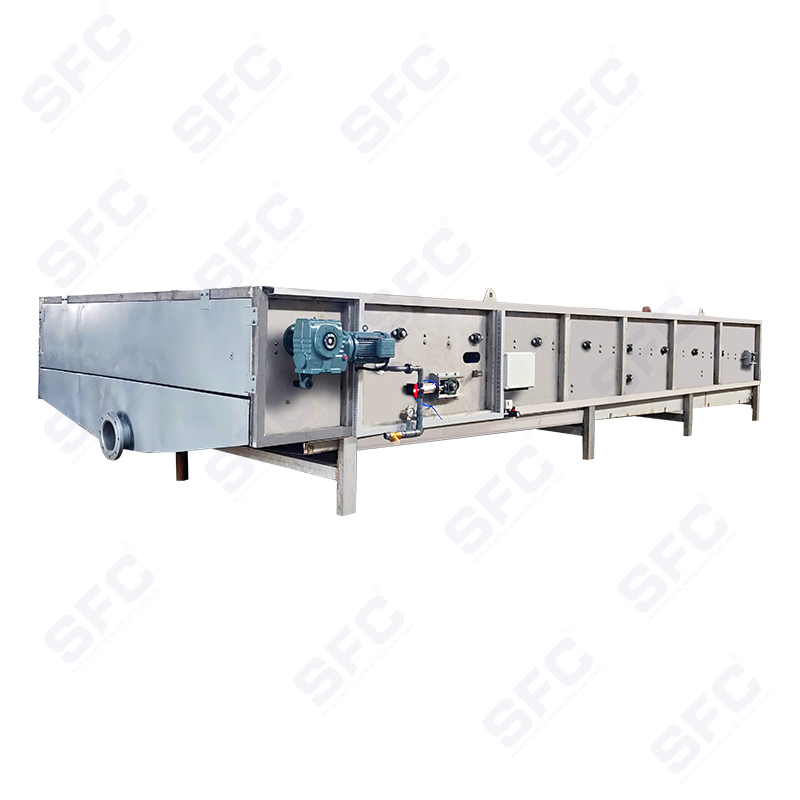 FBT series belt type sludge thickener
-
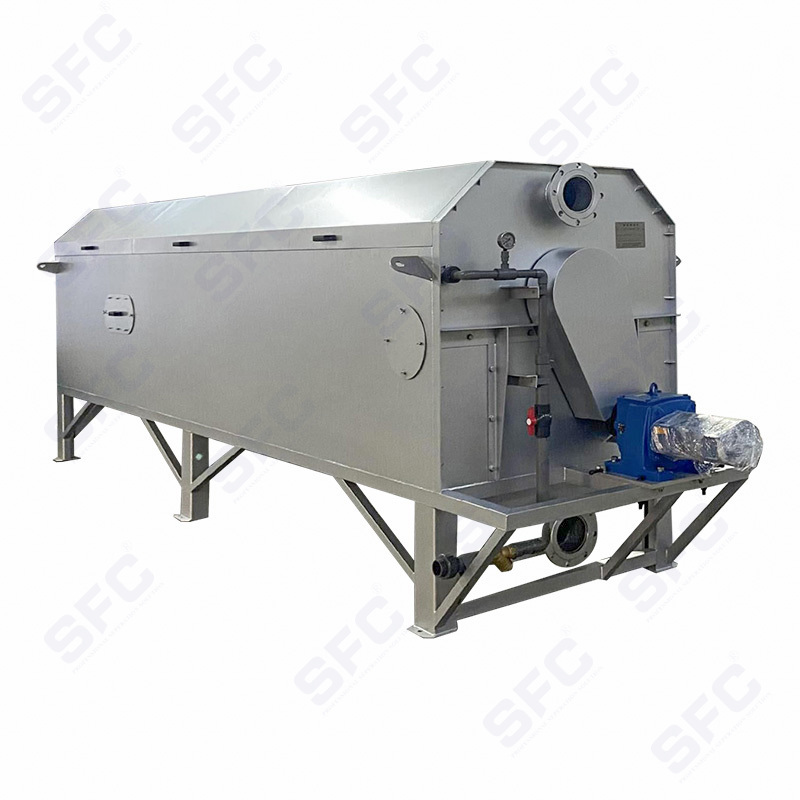 FRDT series rotary drum sludge thickener
-
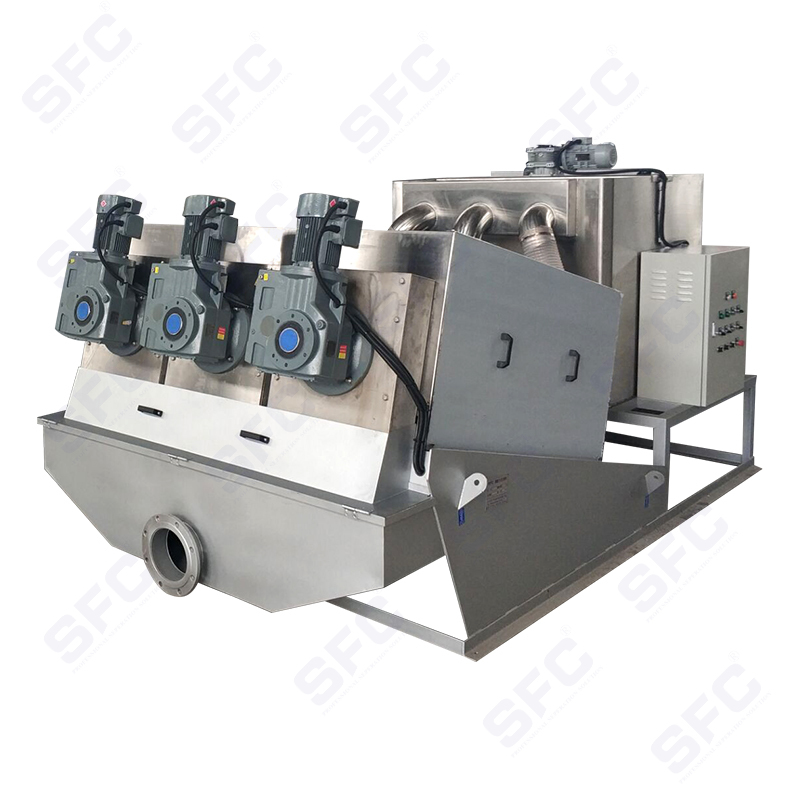 SST series screw type sludge thickener
-
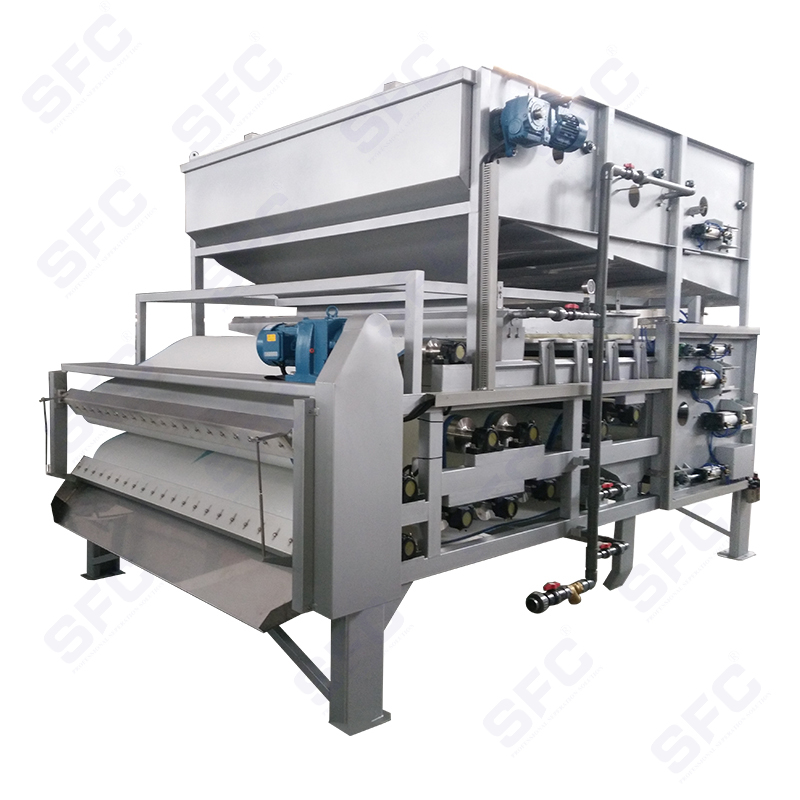 Belt type sludge thickening and dewatering machine
-
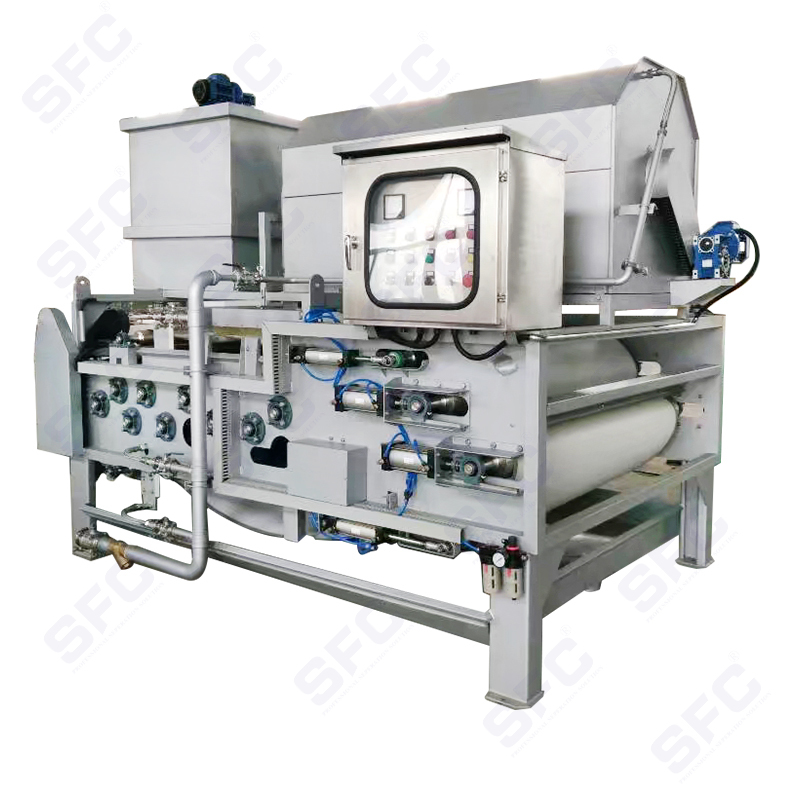 FTB series rotary drum sludge dewatering machine
-
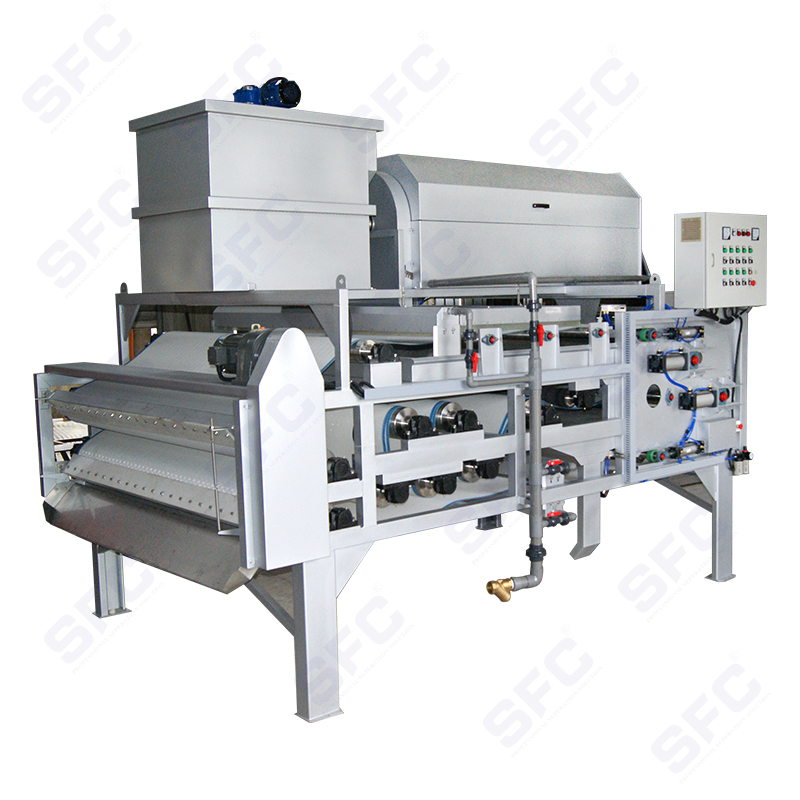 FTE series rotary drum sludge dewatering machine
-
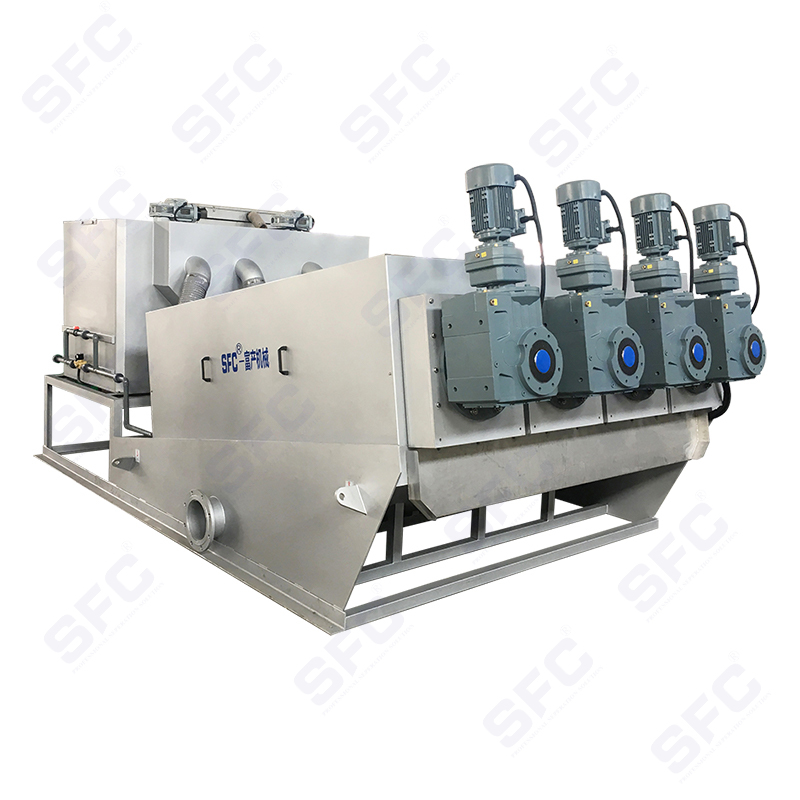 DL series screw sludge dehydrator/ screw type sludge dewatering machine
-
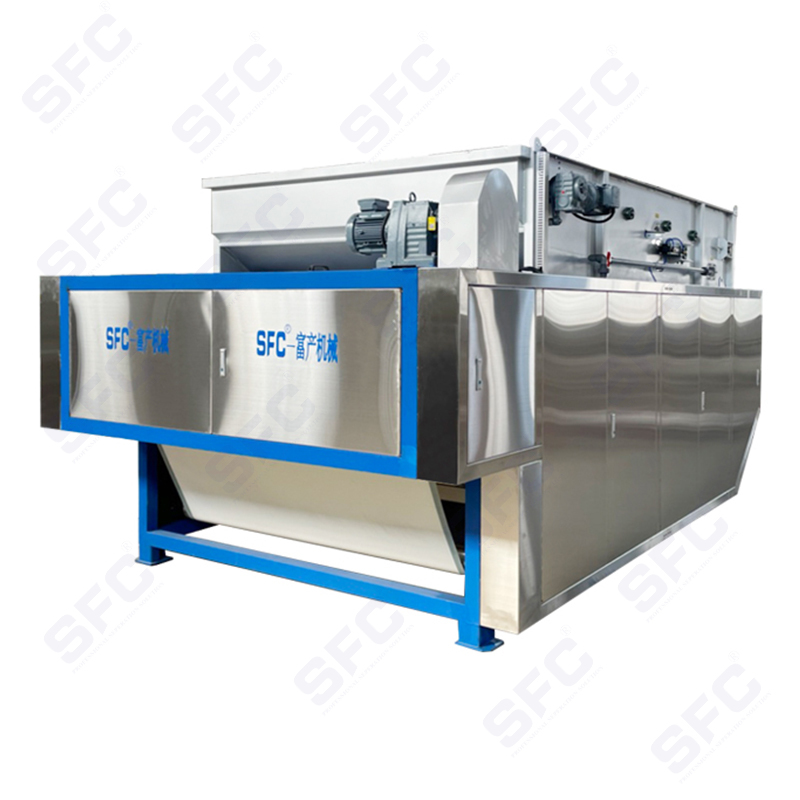 GDY series belt sludge concentration and dewatering machine
-
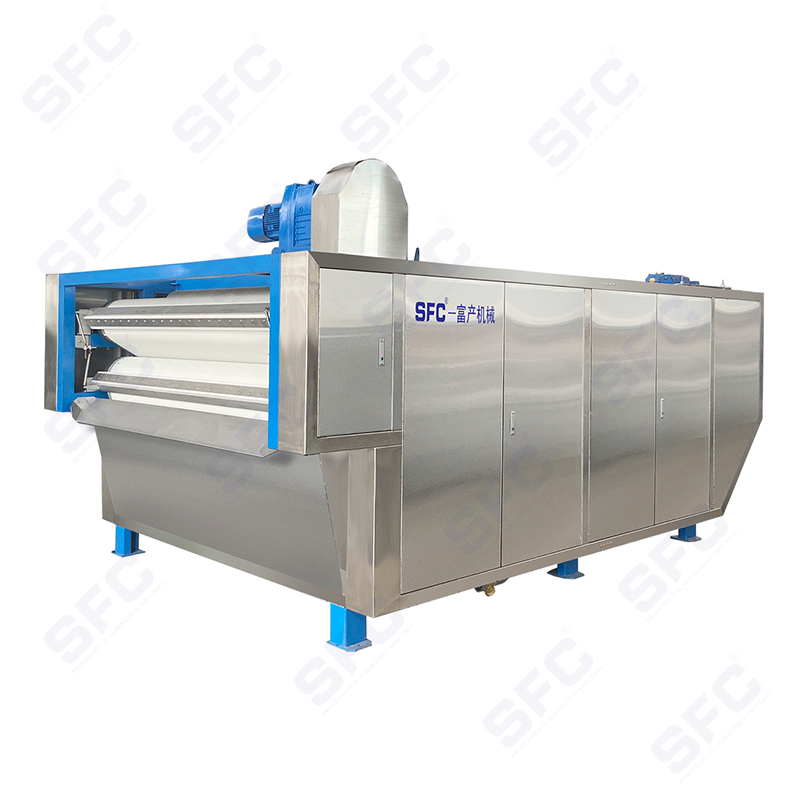 SD-High pressure sludge deep dewatering system
-
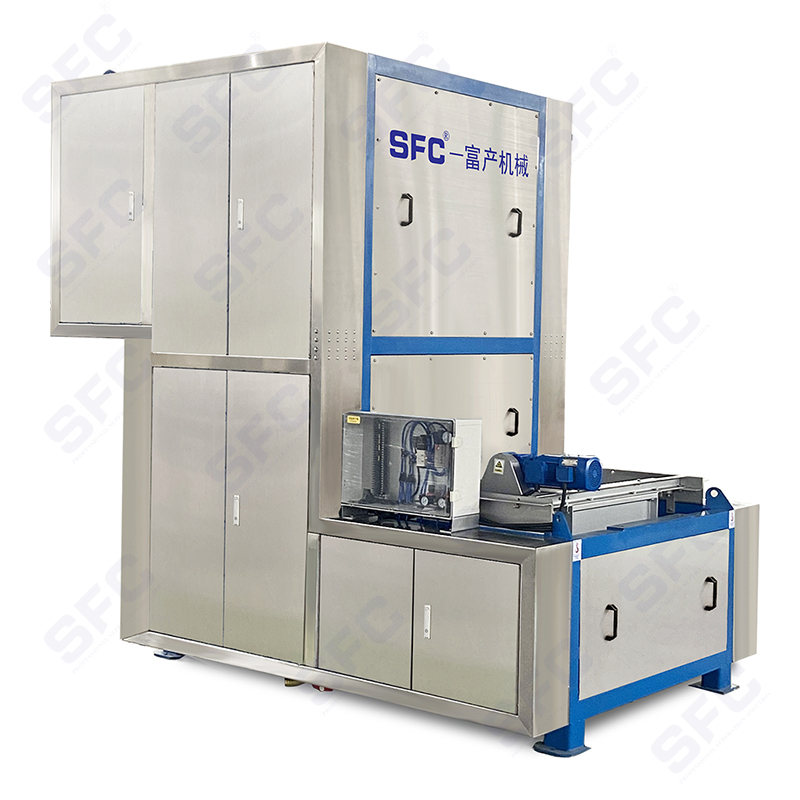 LSD-High pressure sludge deep dewatering system
-
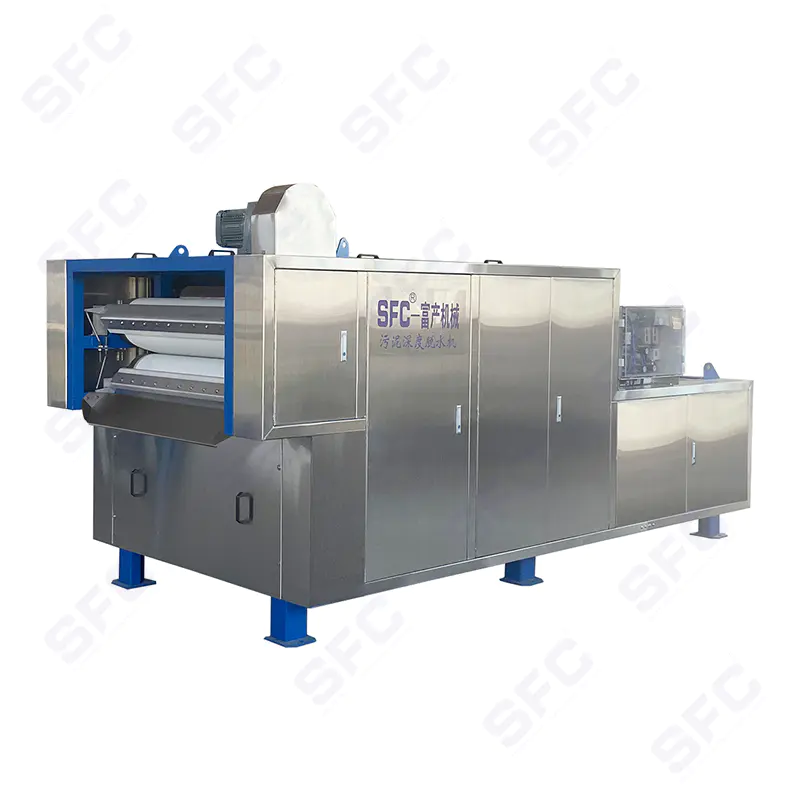 ZSD-High pressure sludge deep dewatering system
-
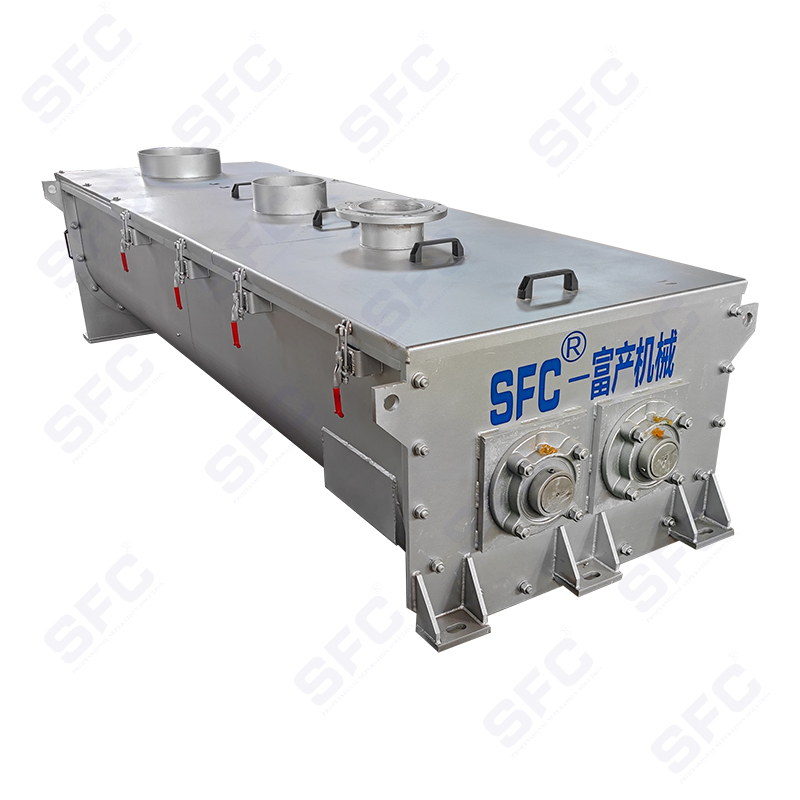 SFC-DM sludge mixer
What Is a Sludge Dewatering Machine and How Do You Select the Right One?
Sludge dewatering is one of the most operationally and economically significant processes in wastewater treatment, industrial processing, and municipal waste management. The sludge generated by biological treatment systems, clarifiers, and industrial processes contains a large proportion of water — often between 95% and 99% by weight — making it expensive to transport, difficult to dispose of, and challenging to process further without first reducing its moisture content. A sludge dewatering machine mechanically separates this water from the solid fraction, producing a semi-solid cake that is dramatically reduced in volume and weight, far easier to handle, and suitable for downstream disposal options including landfill, composting, incineration, or agricultural land application. Choosing the right dewatering machine requires a thorough understanding of sludge characteristics, available technologies, and the operational constraints of the facility in question.
Why Sludge Dewatering Matters in Wastewater Treatment
The volume and mass reduction achieved by effective dewatering has direct and measurable impacts on the total cost of sludge management. A sludge stream that enters a dewatering machine at 2% total solids content and exits as a cake at 20% total solids has reduced its volume by approximately 90%. This reduction translates proportionally into lower transportation costs, reduced landfill tipping fees, smaller storage requirements, and lower energy consumption in any thermal treatment process applied downstream. For facilities processing hundreds or thousands of cubic meters of sludge per day, even a modest improvement in cake dryness — measured in percentage points of total solids — can represent tens of thousands of dollars in annual savings.
Beyond economics, dewatering is often a regulatory requirement. Many jurisdictions impose moisture content limits on sludge destined for landfill disposal or land application, making adequate dewatering a compliance obligation rather than simply an efficiency goal. Facilities that fail to meet minimum solids content thresholds face disposal restrictions, increased regulatory scrutiny, and potential penalties. This combination of economic incentive and regulatory pressure makes the selection and optimization of sludge dewatering equipment a high-priority operational concern for plant managers and engineers alike.
Main Types of Sludge Dewatering Machines
Several fundamentally different mechanical technologies are used to dewater sludge, each applying distinct physical principles to separate water from solids. The right technology for a given application depends on sludge type, required cake dryness, throughput volume, available footprint, energy budget, and operational staffing levels.
Belt Filter Press
The belt filter press is one of the most widely installed dewatering technologies in municipal wastewater treatment worldwide. It operates by sandwiching conditioned sludge between two tensioned porous belts that pass through a series of rollers. The process occurs in three distinct zones: a gravity drainage zone where free water drains through the belt under its own weight, a low-pressure zone where the belts begin to squeeze the sludge, and a high-pressure zone where the sludge cake is compressed between rollers of progressively smaller diameter to squeeze out remaining moisture. Belt filter presses are continuous-operation machines capable of processing large sludge volumes, and they require relatively low energy input compared to centrifugal alternatives. However, they require consistent chemical conditioning with polymer flocculants, frequent belt washing with significant water consumption, and regular operator attention to maintain performance.

Centrifuge Decanter
Decanter centrifuges use centrifugal force — typically 1,500 to 4,000 times the force of gravity — to accelerate the separation of solids from liquid. Conditioned sludge is fed into a rotating bowl where centrifugal force drives the denser solid particles to the bowl wall. A helical screw conveyor rotating at a slightly different speed continuously moves the accumulated solids toward the discharge end of the bowl, where they exit as dewatered cake while the clarified liquid overflows from the opposite end. Centrifuges are compact relative to their throughput capacity, operate as fully enclosed systems that control odor and aerosol emissions, and can handle highly variable sludge feeds without the sensitivity to input fluctuations that affects belt presses. Their primary drawbacks are higher energy consumption, more sophisticated maintenance requirements, and higher capital cost compared to belt filter presses.
Screw Press
The screw press has gained significant market share in recent years, particularly in smaller municipal facilities, food processing plants, and industrial applications. It operates by conveying sludge through a cylindrical screen using a rotating screw with a progressively decreasing pitch, which continuously compresses the sludge against a back-pressure cone or adjustable discharge valve at the outlet. Water is expressed through the screen openings and collected below, while the dewatered cake exits from the discharge end. Screw presses operate at very low rotational speeds — typically 1 to 10 rpm — which minimizes energy consumption, reduces wear, and allows them to run unattended for extended periods with minimal operator intervention. They are particularly well-suited to low-throughput applications and sludges with high organic content that might blind the belts of a belt filter press.
Filter Press (Plate and Frame)
The plate and frame filter press is a batch-process dewatering machine in which sludge is pumped under high pressure into chambers formed between recessed filter plates lined with filter cloth. The pressure — which may reach 7 to 15 bar in high-pressure units — forces water through the filter cloth, leaving behind a solid cake that fills the chamber. When the chambers are full and the cake has reached its maximum practical dryness, the press opens automatically and the cake is discharged. Filter presses consistently produce the driest cakes of any dewatering technology, often achieving total solids content of 30–45% for biological sludges, making them the preferred choice when maximum dryness is a priority. The batch operating cycle, higher capital cost, and need for high-pressure feed pumps are the primary limitations relative to continuous-operation alternatives.
Performance Comparison of Common Dewatering Technologies
Understanding the typical performance ranges of different dewatering technologies helps establish realistic expectations and supports informed equipment selection decisions. The table below summarizes key performance and operational parameters for the four primary technologies.
| Technology | Typical Cake Dryness (% TS) | Energy Consumption | Operation Mode | Best Suited For |
| Belt Filter Press | 18 – 28% | Low | Continuous | Municipal WWT, large volumes |
| Decanter Centrifuge | 20 – 30% | Medium–High | Continuous | Industrial, variable feeds |
| Screw Press | 15 – 25% | Very Low | Continuous | Small facilities, food processing |
| Filter Press (Plate & Frame) | 30 – 45% | Medium | Batch | Maximum dryness, industrial sludge |
The Role of Chemical Conditioning in Dewatering Performance
Most sludge dewatering machines perform significantly better — and in many cases cannot function effectively at all — without prior chemical conditioning of the sludge feed. Conditioning typically involves the addition of polymer flocculants that destabilize the electrical charge on suspended solids particles, allowing them to aggregate into larger flocs that release bound water more readily under mechanical pressure or centrifugal force. The type of polymer, its molecular weight, charge density, and dosage must all be matched to the specific sludge characteristics, which vary considerably between anaerobic digested sludge, aerobic waste activated sludge, primary sludge, and industrial process sludges.
Under-dosing polymer results in poor floc formation, low solids capture, and wet cake. Over-dosing wastes expensive reagent and can actually reduce performance by re-stabilizing the floc. Finding and maintaining the optimal polymer dosage requires regular jar testing during commissioning and periodic re-evaluation as sludge characteristics change seasonally or in response to upstream process variations. Facilities that invest in automated polymer dosing control systems — which adjust dosage in real time based on sludge flow rate and turbidity feedback — typically achieve more consistent dewatering performance and lower polymer consumption than those relying on fixed manual dosing.
Key Factors to Evaluate When Selecting a Sludge Dewatering Machine
Selecting the most appropriate sludge dewatering machine for a facility requires systematic evaluation of multiple interdependent factors. No single technology is universally superior — the right choice depends on the specific combination of constraints and priorities at each installation.
- Sludge Type and Characteristics: The origin of the sludge — whether primary, secondary biological, anaerobically digested, or industrial process — fundamentally determines its dewaterability. Digested sludges generally dewater more easily than raw waste activated sludge. Industrial sludges containing high concentrations of oils, fibrous materials, or inorganic solids may require specialized equipment or pre-treatment steps.
- Required Throughput Capacity: The volume of sludge to be processed per day, combined with the available operating hours, determines the required machine capacity. Oversizing equipment leads to inefficient operation and unnecessary capital expenditure; undersizing creates operational bottlenecks and limits the facility's ability to handle peak loading events.
- Target Cake Dryness: The moisture content required in the dewatered cake depends on the intended disposal or end-use route. Landfill disposal may require a minimum of 20–25% total solids, while composting or incineration may demand 25–35% or higher to maintain thermal self-sufficiency. If the target cannot be achieved by the most economical technology, a higher-performing but more capital-intensive option such as a plate-and-frame filter press may be justified.
- Available Footprint and Installation Constraints: Belt filter presses require significant floor area and overhead clearance for belt wash systems. Centrifuges are compact but require vibration isolation and access for rotor removal during maintenance. Screw presses have a small footprint but require covered, weatherproof installation in cold climates.
- Operational Staffing Level: Belt filter presses require more continuous operator attention than centrifuges or screw presses. Facilities with limited staffing or a preference for low-intervention operation should weight this factor heavily in their evaluation, as the true cost of a machine includes the labor required to operate and maintain it reliably.
- Lifecycle Cost, Not Just Capital Cost: Energy consumption, polymer chemical costs, wear part replacement intervals, wash water consumption, and maintenance labor hours all contribute to the total cost of ownership over a machine's service life of 15–25 years. A technology with a higher initial purchase price but lower operating costs may deliver a significantly lower net present cost over its operational lifetime.
Maintenance Practices That Protect Dewatering Machine Performance
Consistent preventive maintenance is essential to sustaining the performance, reliability, and service life of any sludge dewatering machine. Neglected maintenance leads to progressive performance degradation — gradually increasing cake moisture content, rising polymer consumption, and eventually unplanned mechanical failures that result in costly downtime and emergency repair expenses.
- Belt Inspection and Replacement (Belt Filter Press): Filter belts should be inspected daily for blinding, tears, tracking deviation, and edge damage. Blinded belts should be soaked in dilute acid or caustic solution during scheduled downtime to restore permeability. Belt replacement should be scheduled based on documented performance decline rather than calendar interval.
- Bearing and Seal Lubrication (Centrifuge): Centrifuge bearings operate under high centrifugal load and must be lubricated according to the manufacturer's schedule using specified greases. Mechanical seals that prevent sludge from contaminating bearing assemblies should be inspected at each scheduled maintenance interval and replaced proactively before leakage develops.
- Screen Cleaning (Screw Press): The cylindrical screens of screw presses are susceptible to blinding by fine particles or biological growth. Scheduled backwash cycles and periodic manual inspection ensure screen openings remain clear and drainage capacity is maintained at the design level.
- Filter Cloth Inspection and Replacement (Filter Press): Filter cloths stretch, blind, and develop holes over time, progressively reducing cake dryness and increasing cake release difficulty. Tracking cloth condition through regular performance monitoring — noting changes in filtration cycle time and cake moisture — allows proactive cloth replacement before performance deteriorates significantly.
Emerging Technologies and Trends in Sludge Dewatering
The sludge dewatering equipment sector continues to evolve in response to tightening energy efficiency requirements, rising disposal costs, and growing interest in sludge as a resource rather than a waste stream. Electrokinetic dewatering — which applies an electrical field across the sludge to drive water migration toward the cathode — is gaining research and commercial attention as a method of achieving cake dryness levels significantly beyond what is mechanically achievable with conventional technologies, with some pilot installations demonstrating total solids content exceeding 40–50% in biological sludges.
Thermal drying systems integrated downstream of mechanical dewatering machines are increasingly used at large facilities to produce granular or pelletized sludge products with total solids content above 90%, suitable for use as fertilizer, soil amendment, or fuel. The economics of integrated mechanical-thermal dewatering systems have improved markedly as energy recovery from biogas produced by anaerobic digestion is used to offset the substantial thermal energy demand of drying. As regulatory pressure on sludge disposal options intensifies and the value of recovered nutrients in dewatered sludge becomes more widely recognized, the role of the sludge dewatering machine continues to expand from a cost management tool into a central component of resource recovery infrastructure.
Related products recommendations
- Phone: +86-13816732007
- Tel: +86-021-50966266
- Email: [email protected]
- Address: Room 1201.1122 Xinjinqiao Rd, Pudong new district, Shanghai PRC China
Copyright © Shanghai Fuchan Machinery Technology Co., Ltd. All Rights Reserved.
 Manufacturers Of Sludge Treatment Equipment