


 English
 Español
Hot Products
-
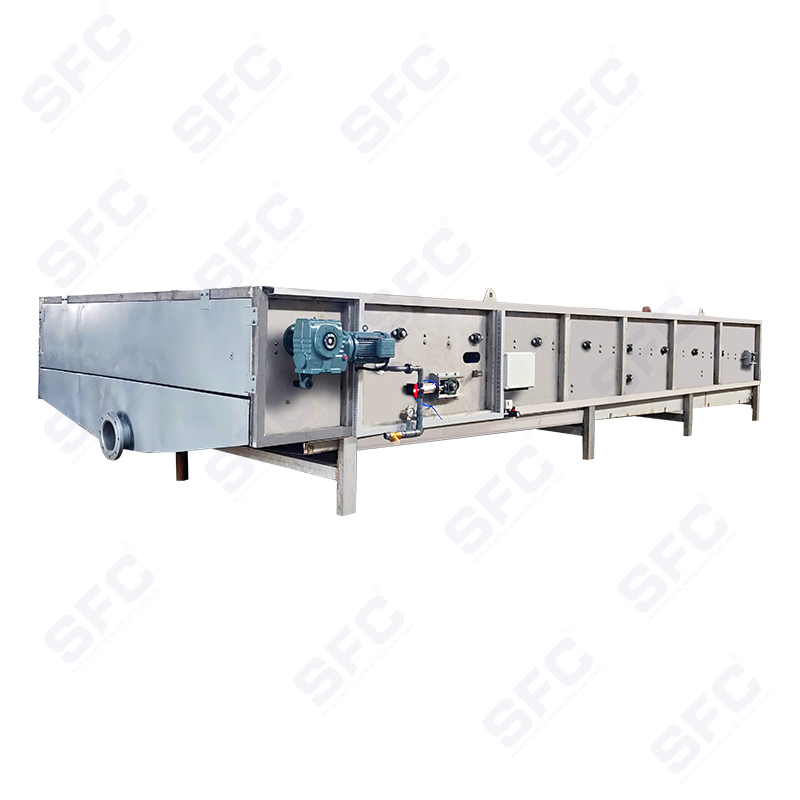 FBT series belt type sludge thickener
-
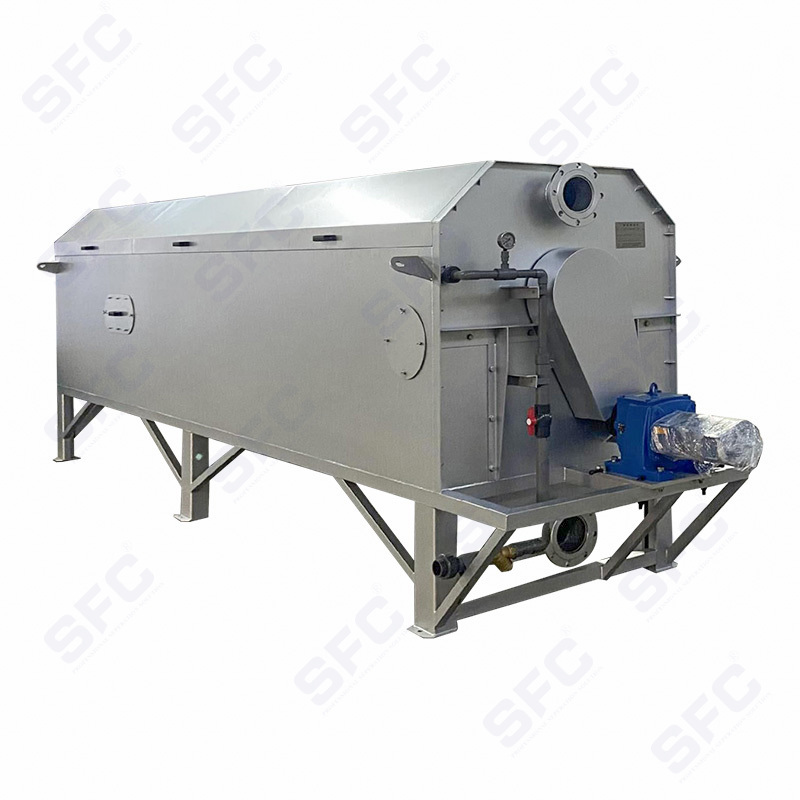 FRDT series rotary drum sludge thickener
-
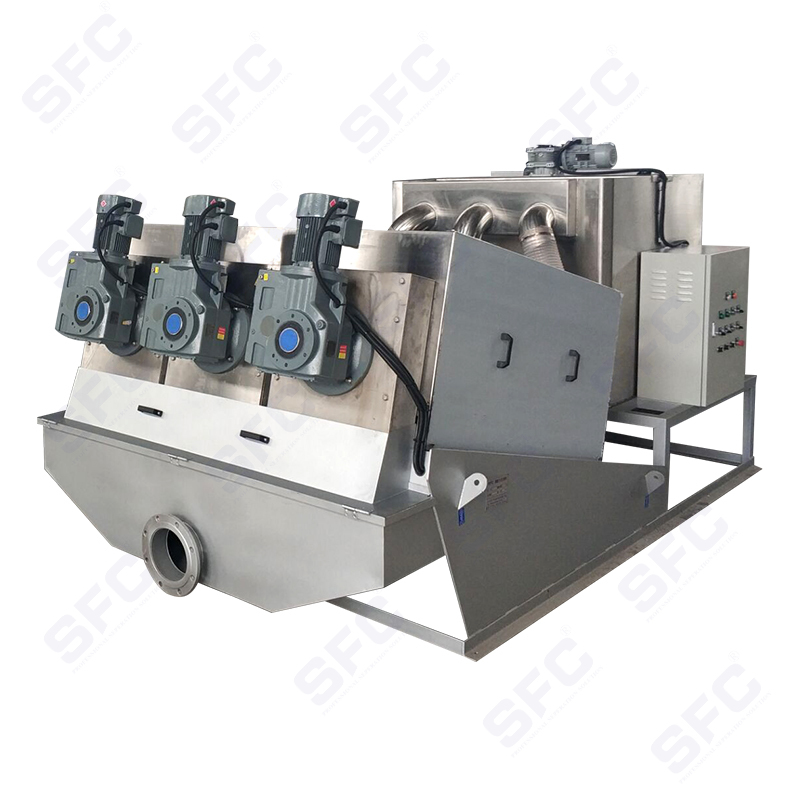 SST series screw type sludge thickener
-
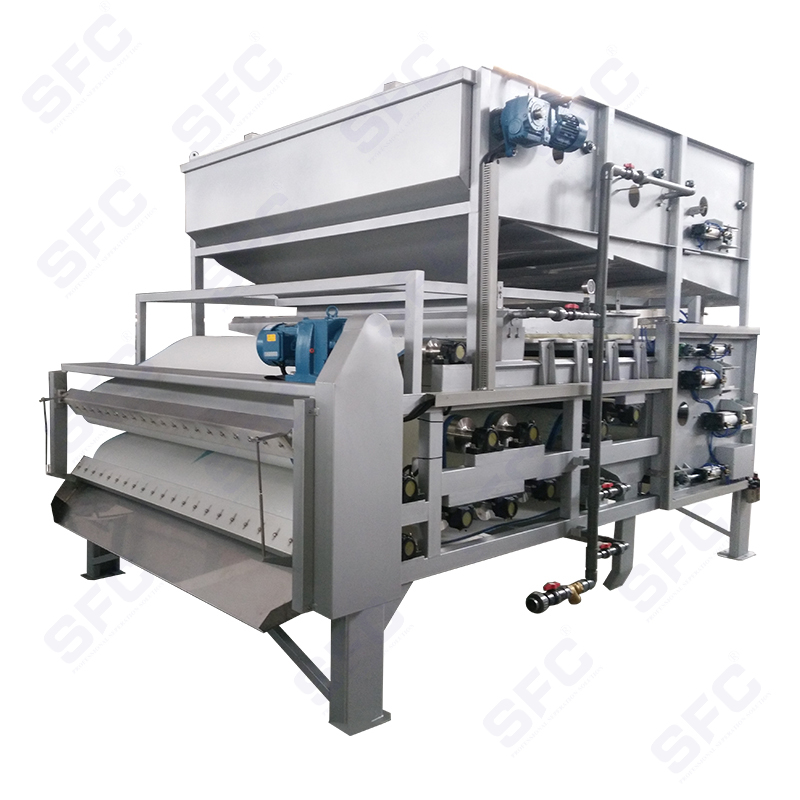 Belt type sludge thickening and dewatering machine
-
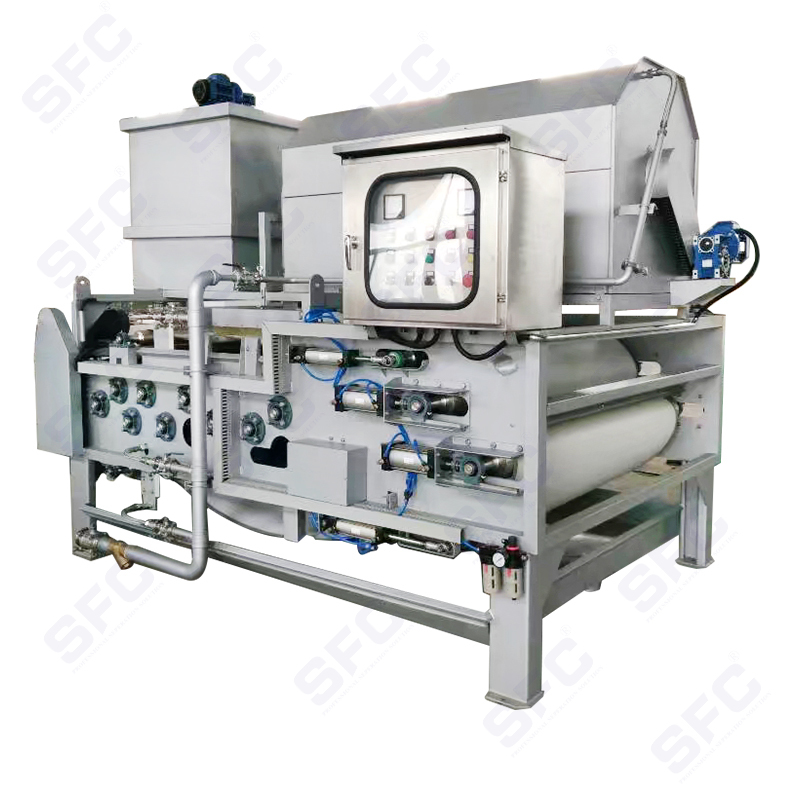 FTB series rotary drum sludge dewatering machine
-
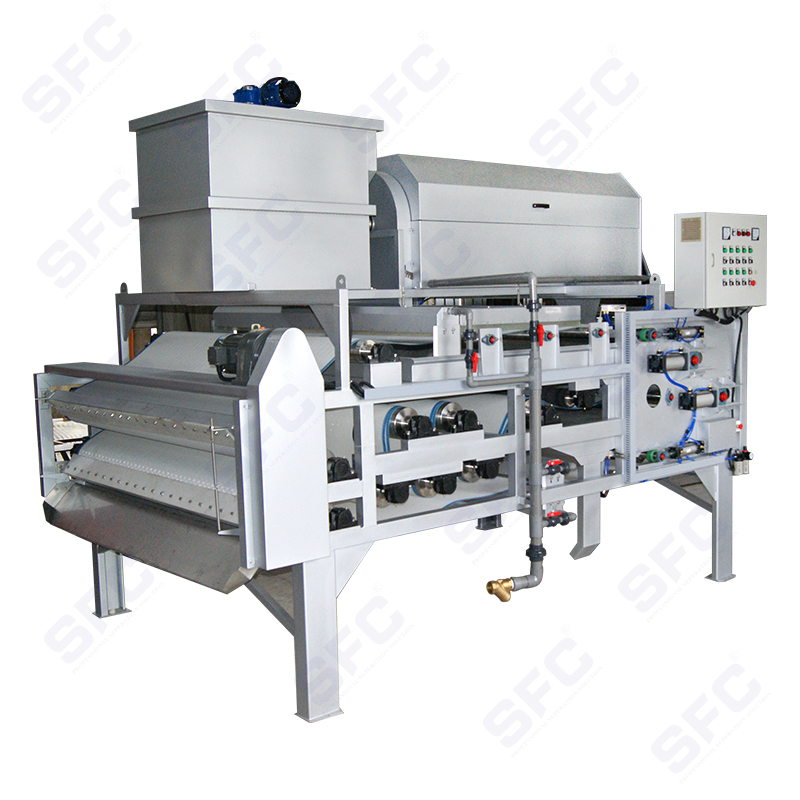 FTE series rotary drum sludge dewatering machine
-
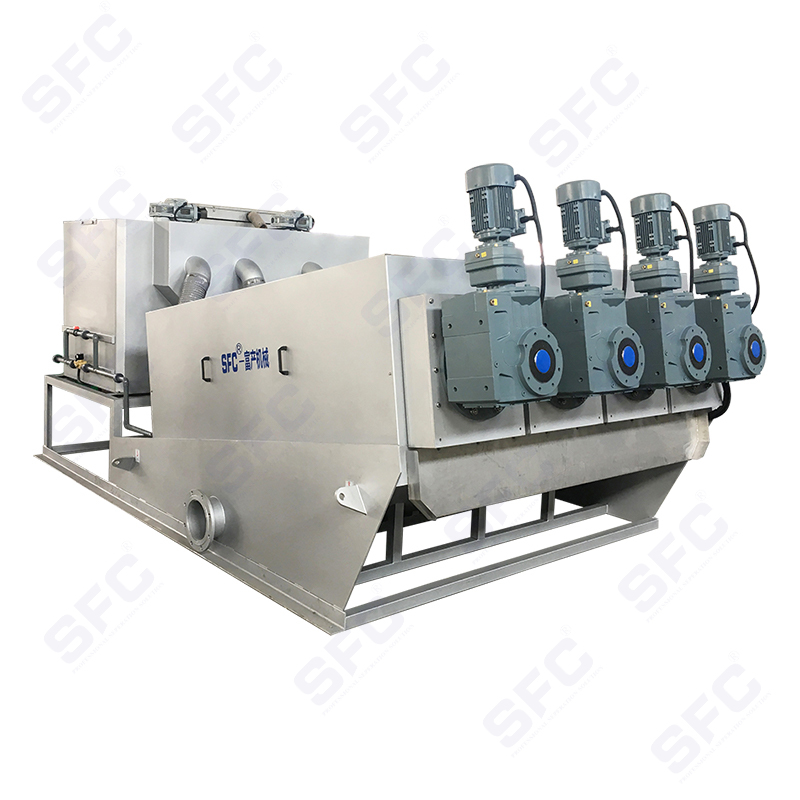 DL series screw sludge dehydrator/ screw type sludge dewatering machine
-
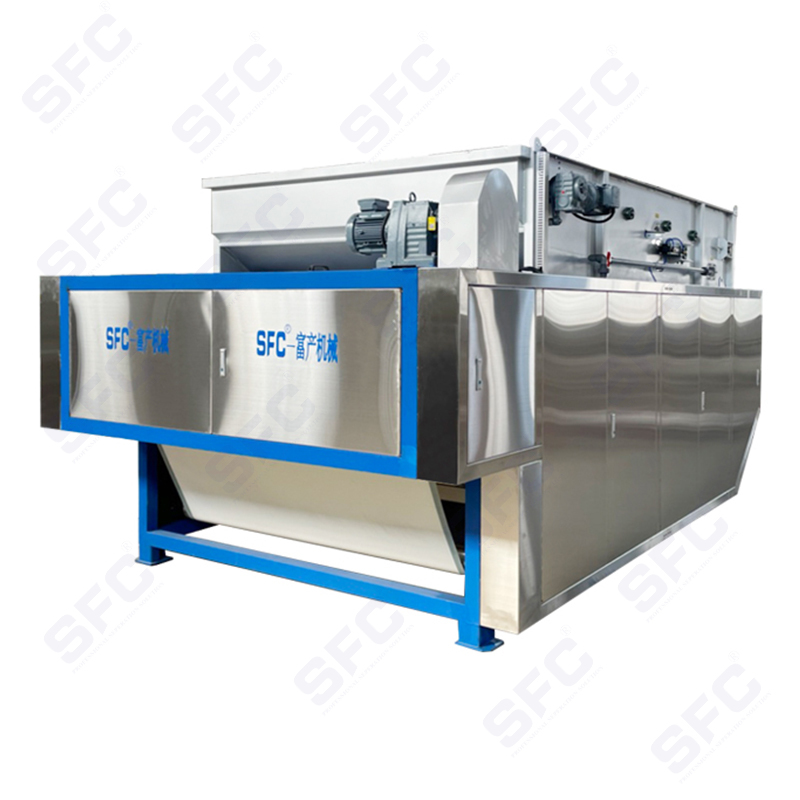 GDY series belt sludge concentration and dewatering machine
-
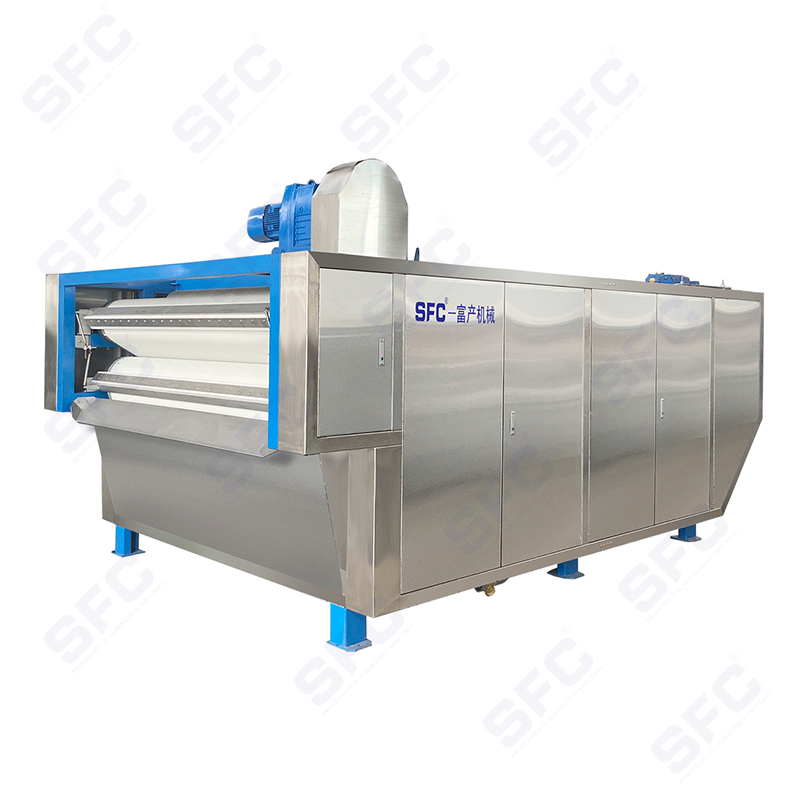 SD-High pressure sludge deep dewatering system
-
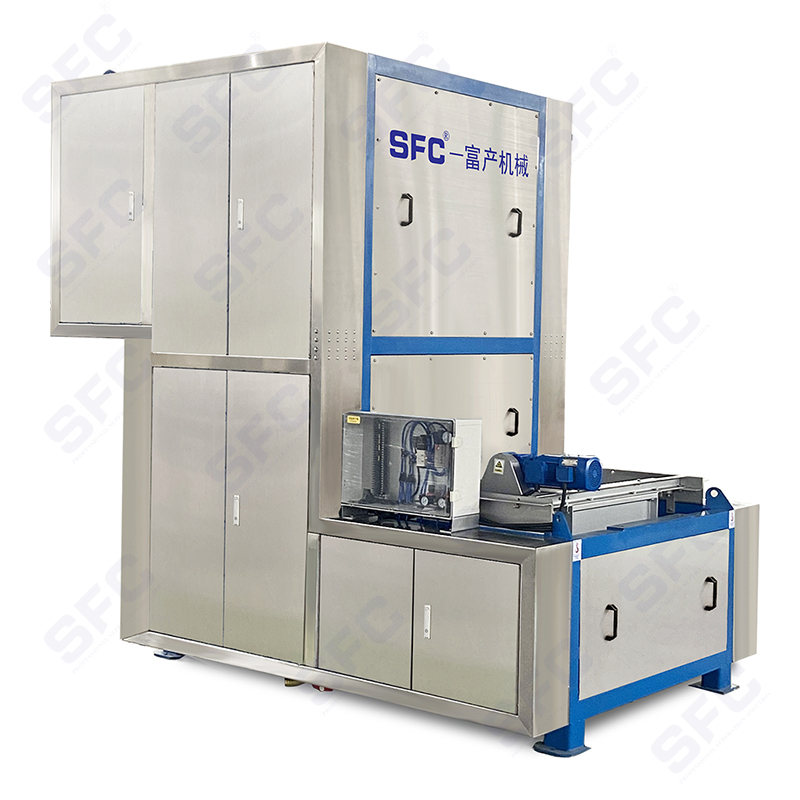 LSD-High pressure sludge deep dewatering system
-
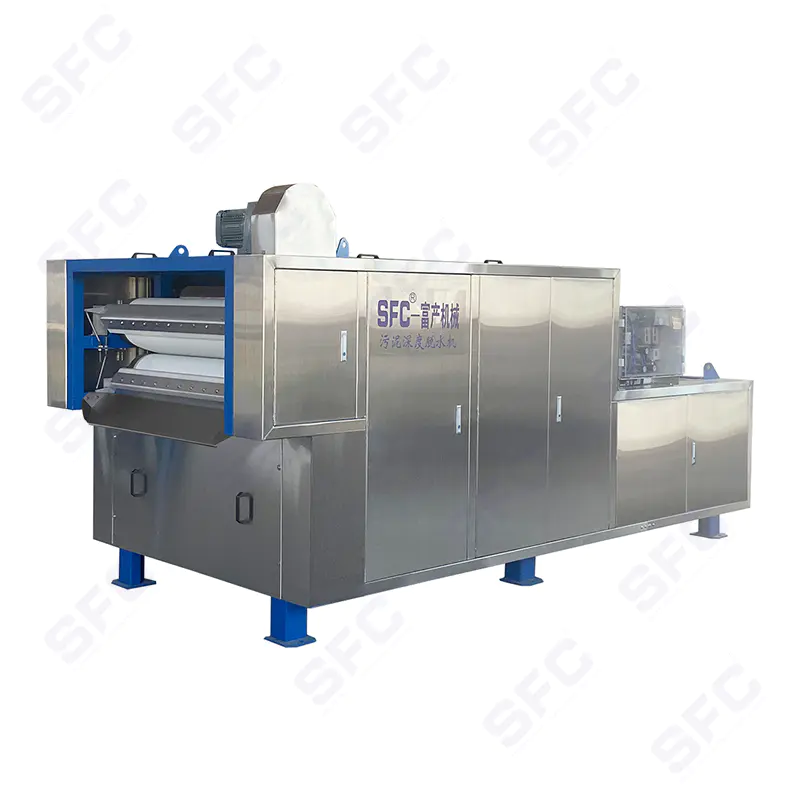 ZSD-High pressure sludge deep dewatering system
-
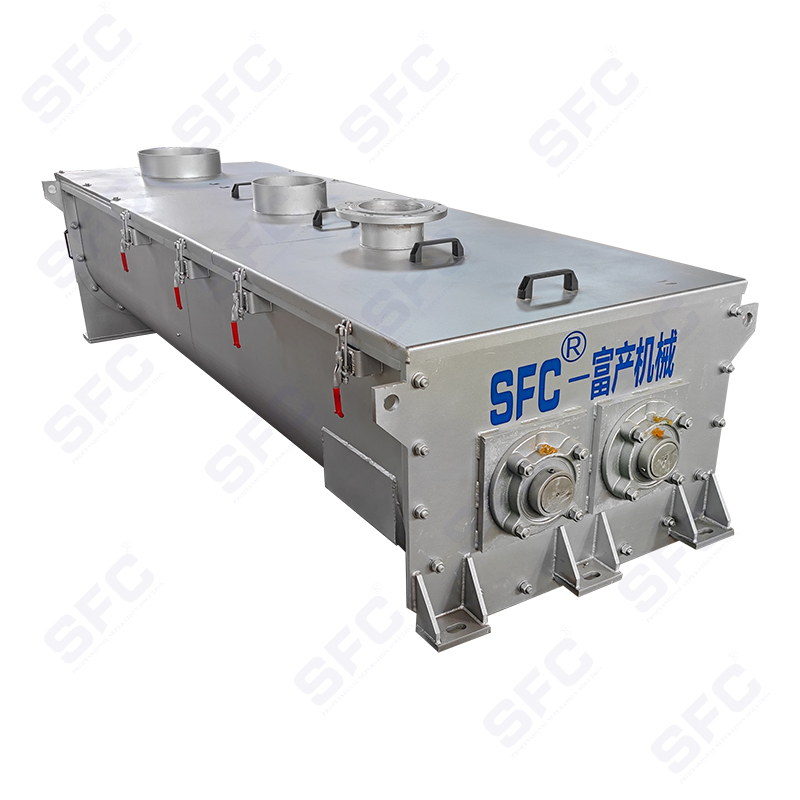 SFC-DM sludge mixer
How Can Fine Bubble Diffusers Improve Water Treatment Efficiency?
Water treatment facilities increasingly rely on fine bubble diffusers to optimize aeration processes. Unlike coarse bubble systems, fine bubble diffusers generate smaller bubbles, increasing the oxygen transfer efficiency and enhancing biological treatment processes. This technology is particularly effective for activated sludge systems, helping facilities meet stringent water quality standards while reducing energy consumption.
Principles of Fine Bubble Diffusion
Fine bubble diffusers operate on the principle of maximizing the gas-liquid contact area. By producing microbubbles, typically 1–3 mm in diameter, the surface area of each bubble is increased, allowing more efficient oxygen transfer to the wastewater. The slower rise of these bubbles ensures longer retention in the liquid, enhancing the dissolution of oxygen and promoting the growth of beneficial microorganisms.
Types of Fine Bubble Diffusers
Fine bubble diffusers are available in various designs to suit different treatment needs:
- Membrane Disc Diffusers: Flexible membranes that emit uniform fine bubbles.
- Tube Diffusers: Long tubular structures with perforations for even oxygen distribution.
- Ceramic Diffusers: Durable diffusers that offer consistent bubble size and longevity.
Applications in Wastewater Treatment
Fine bubble diffusers are widely applied in municipal and industrial wastewater treatment. Their primary role is to provide oxygen to support aerobic biological processes. These diffusers are particularly effective in activated sludge tanks, oxidation ditches, and membrane bioreactors. They improve nitrification, denitrification, and phosphorus removal by maintaining optimal dissolved oxygen levels throughout the tank.
Advantages Over Coarse Bubble Systems
Fine bubble diffusers offer multiple operational advantages:
- Higher oxygen transfer efficiency reduces energy consumption.
- Smaller bubbles create more uniform aeration and reduce dead zones.
- Enhanced microbial growth improves overall treatment performance.
- Flexibility to retrofit existing tanks without major modifications.
Design Considerations
When selecting fine bubble diffusers, several factors must be considered to maximize efficiency:
- Tank depth and volume to ensure adequate retention time for oxygen transfer.
- Material compatibility with treated water to prevent corrosion or fouling.
- Blower system capacity to maintain consistent airflow.
- Ease of maintenance and cleaning for long-term operational efficiency.
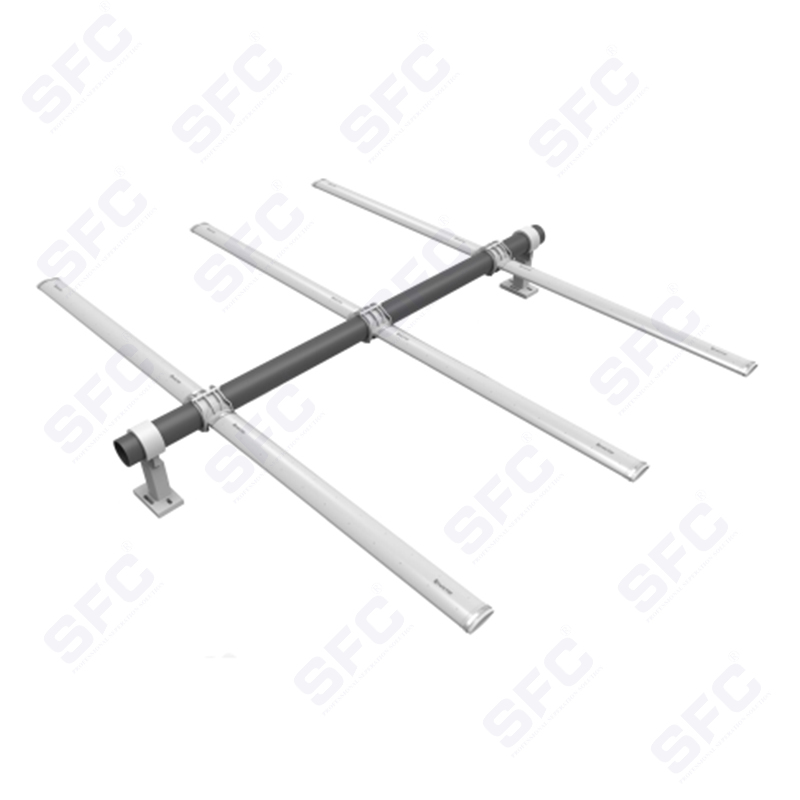
Maintenance and Operational Tips
Regular maintenance of fine bubble diffusers is crucial to prevent clogging and maintain performance. Recommended practices include:
- Periodic cleaning of membrane surfaces to remove biofilm and debris.
- Monitoring air pressure and flow rates for consistent performance.
- Replacing worn or damaged diffusers to prevent uneven aeration.
- Scheduling routine inspections to ensure longevity and energy efficiency.
Energy Efficiency and Environmental Benefits
Fine bubble diffusers are recognized for their energy-saving capabilities. By delivering oxygen more efficiently, they require less blower power compared to traditional coarse bubble systems. This not only reduces operational costs but also minimizes the facility’s carbon footprint. Furthermore, effective aeration ensures better treatment, reducing pollutant discharge and protecting aquatic ecosystems.
Emerging Innovations
Advances in diffuser materials, designs, and monitoring systems continue to enhance their efficiency. Modern systems incorporate:
- High-performance membranes resistant to fouling and wear.
- Smart control systems to optimize airflow based on real-time oxygen demand.
- Hybrid diffuser layouts that combine coarse and fine bubbles for process flexibility.
Conclusion
Water treatment fine bubble diffusers are a cornerstone technology for modern wastewater management. Their ability to maximize oxygen transfer, improve biological treatment, reduce energy consumption, and enhance water quality makes them essential for sustainable operations. By carefully selecting, operating, and maintaining these diffusers, facilities can achieve superior performance and long-term reliability.
Related products recommendations
- Phone: +86-13816732007
- Tel: +86-021-50966266
- Email: [email protected]
- Address: Room 1201.1122 Xinjinqiao Rd, Pudong new district, Shanghai PRC China
Copyright © Shanghai Fuchan Machinery Technology Co., Ltd. All Rights Reserved.
 Manufacturers Of Sludge Treatment Equipment