


 English
 Español
Hot Products
-
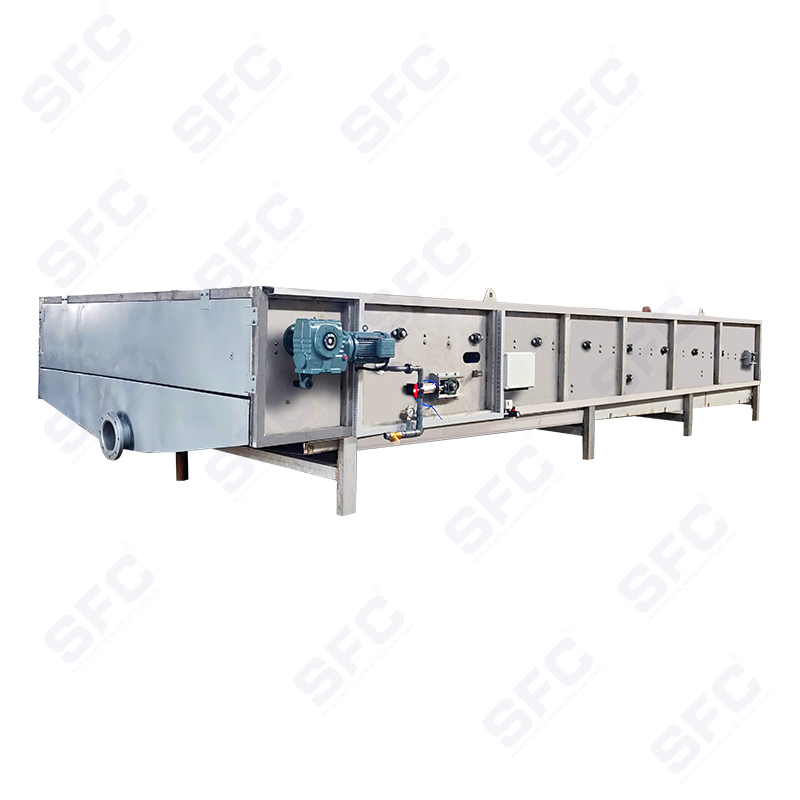 FBT series belt type sludge thickener
-
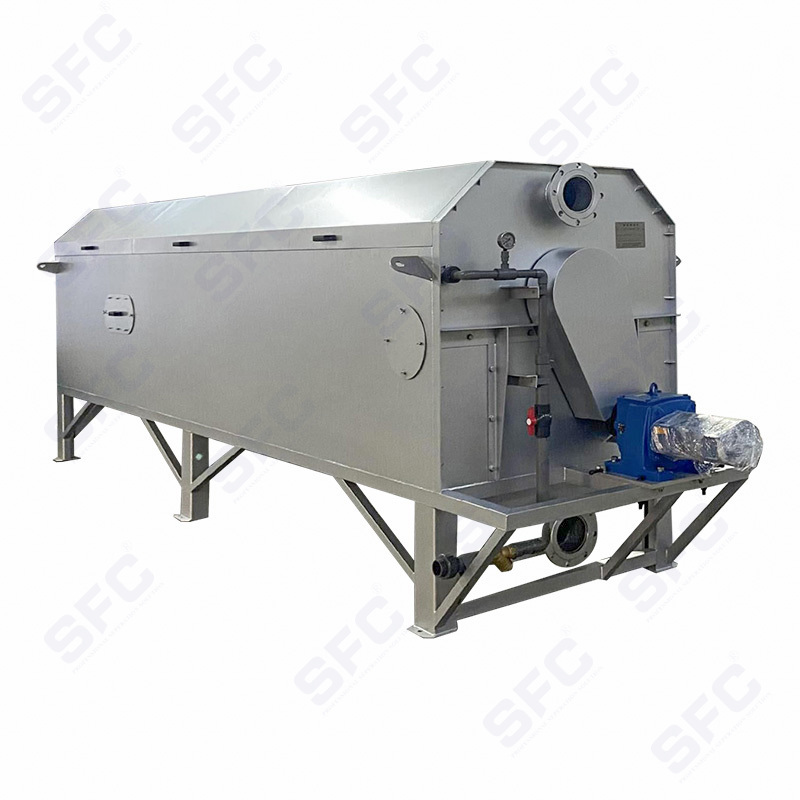 FRDT series rotary drum sludge thickener
-
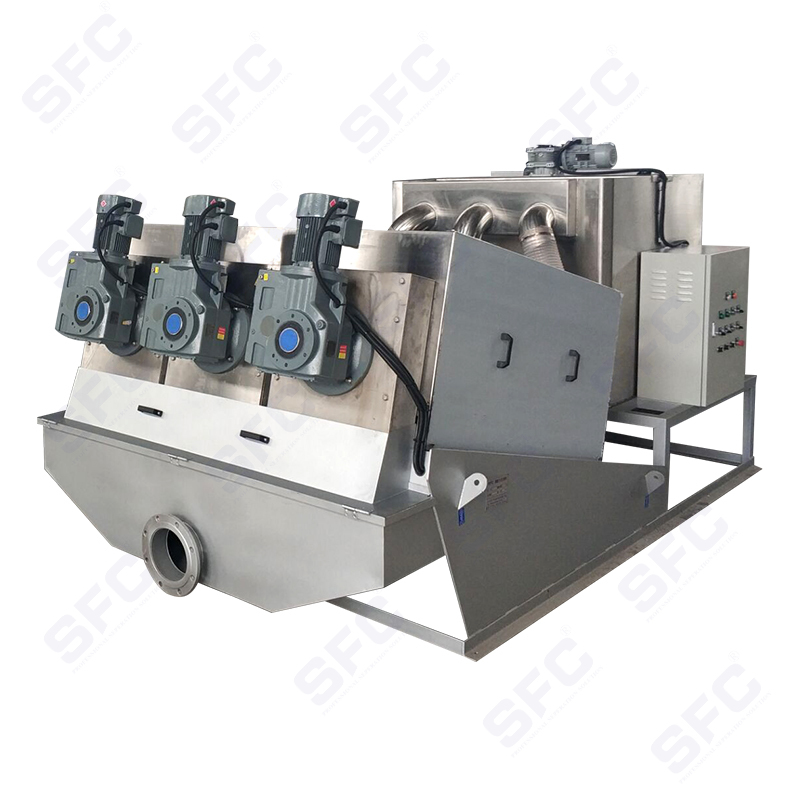 SST series screw type sludge thickener
-
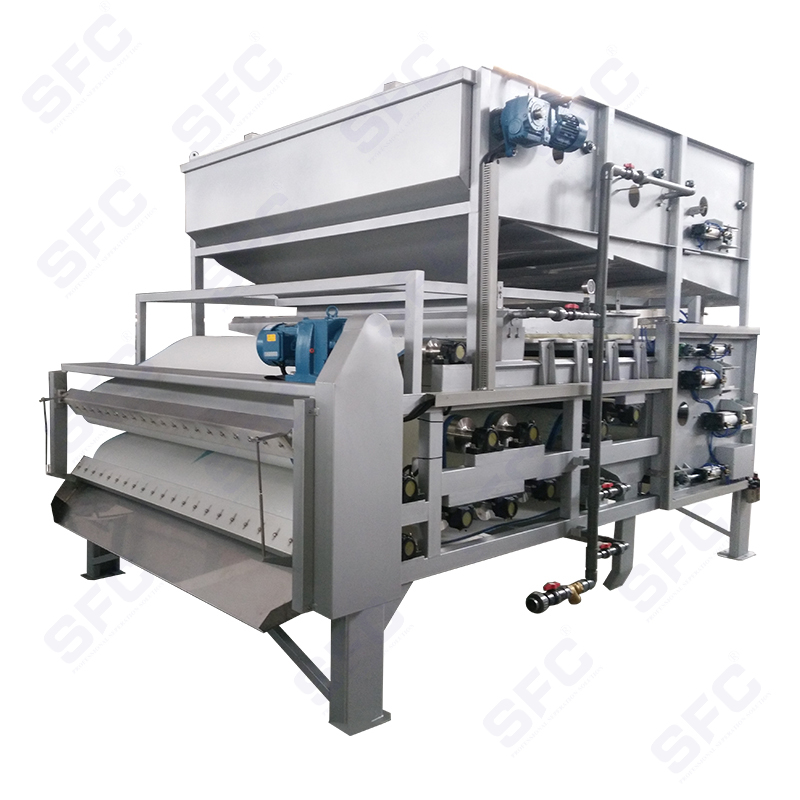 Belt type sludge thickening and dewatering machine
-
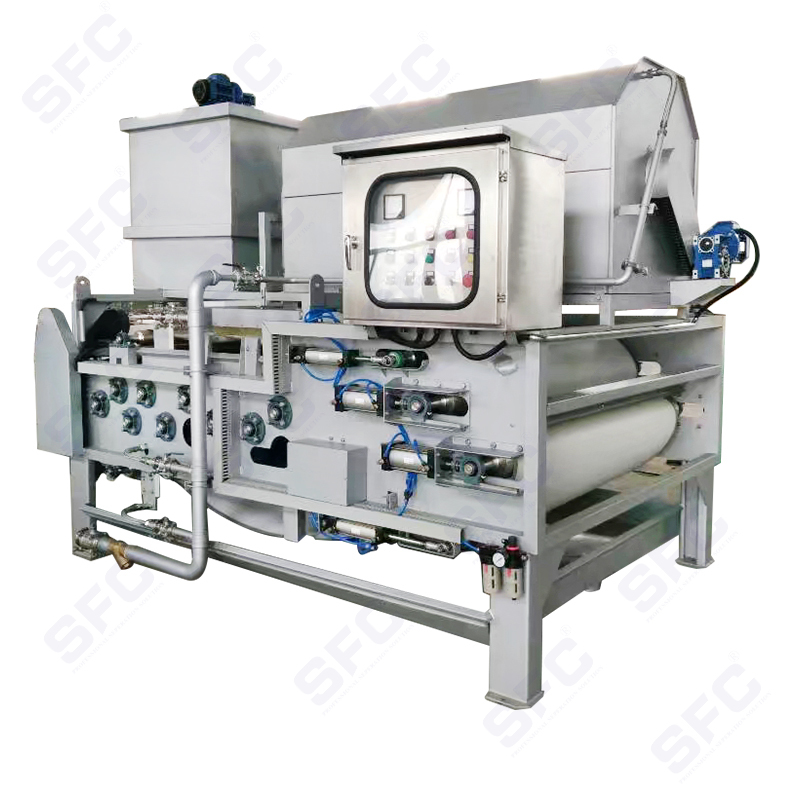 FTB series rotary drum sludge dewatering machine
-
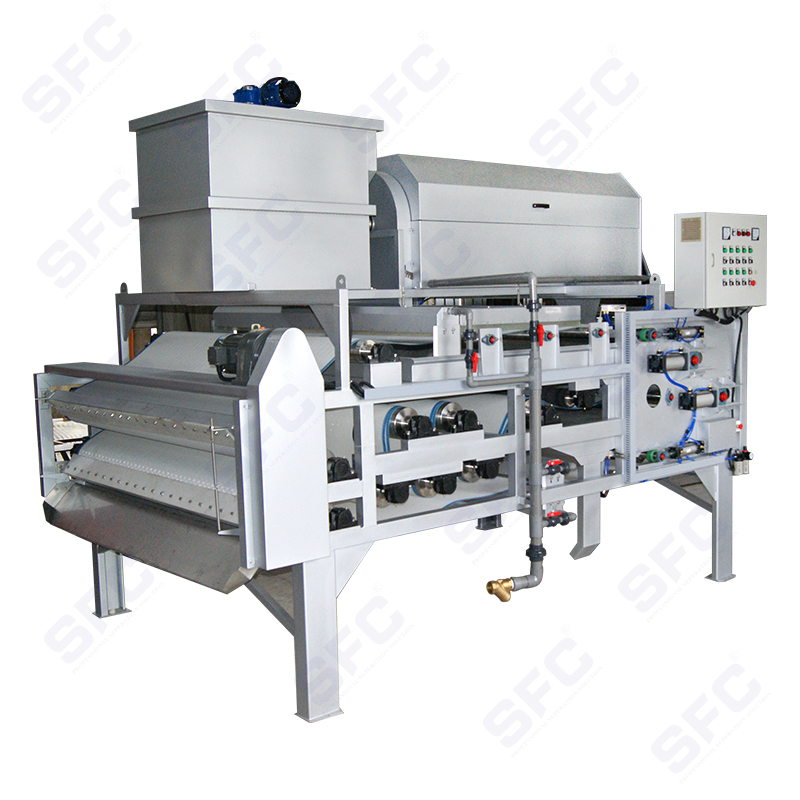 FTE series rotary drum sludge dewatering machine
-
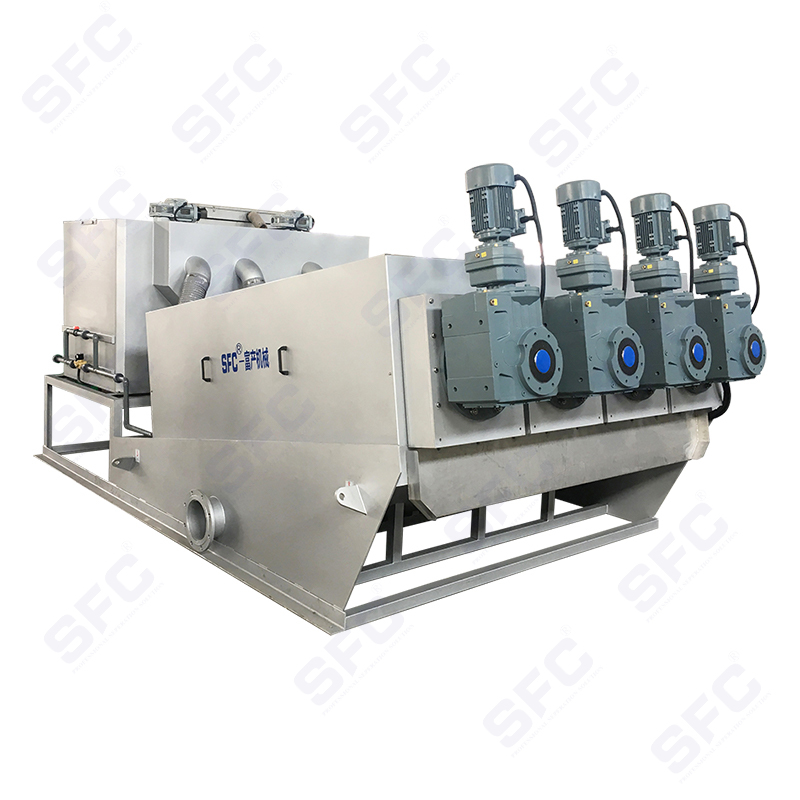 DL series screw sludge dehydrator/ screw type sludge dewatering machine
-
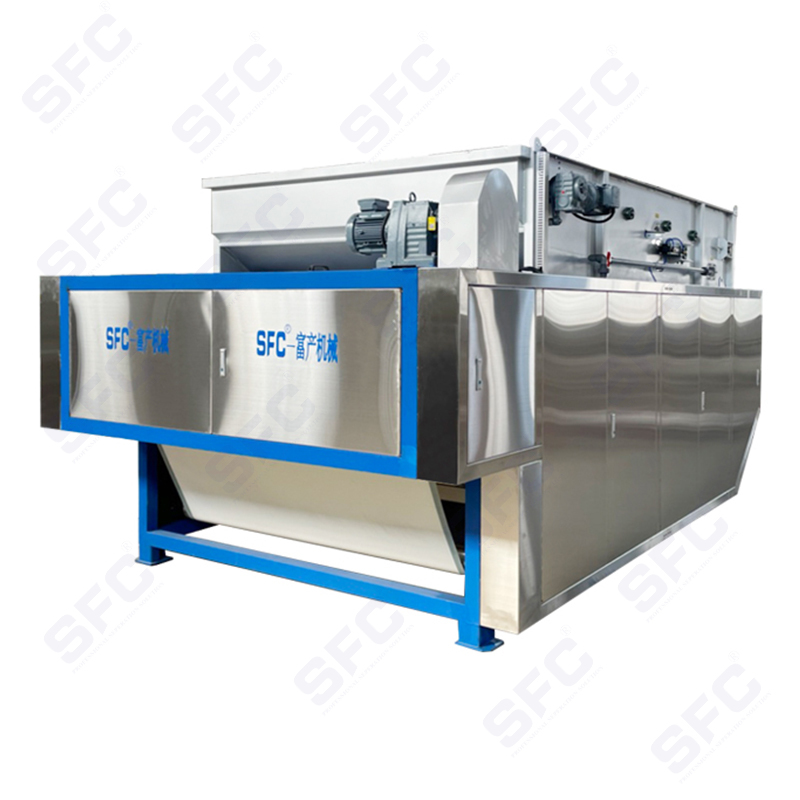 GDY series belt sludge concentration and dewatering machine
-
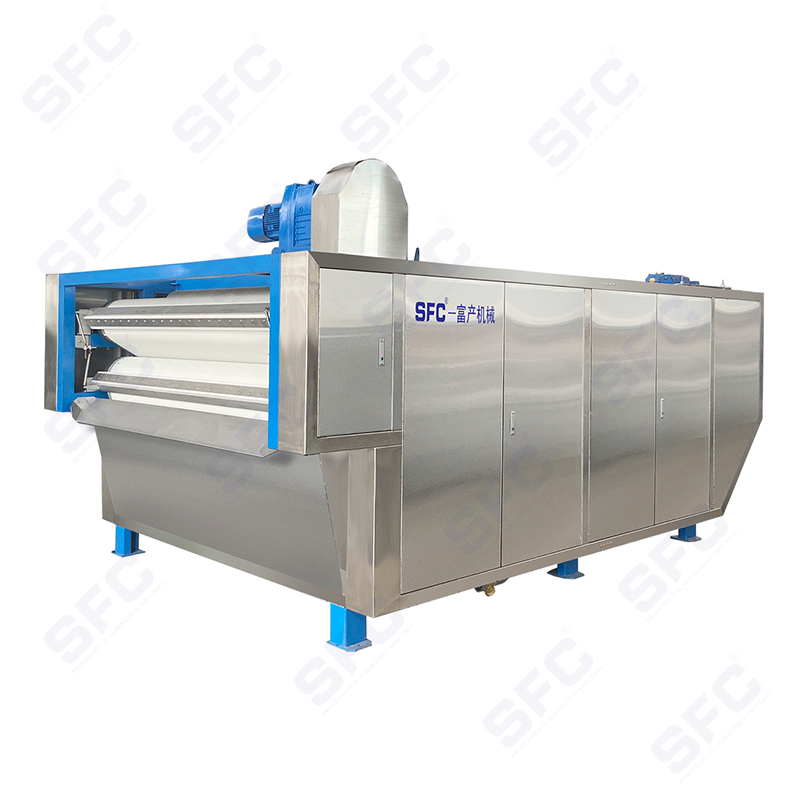 SD-High pressure sludge deep dewatering system
-
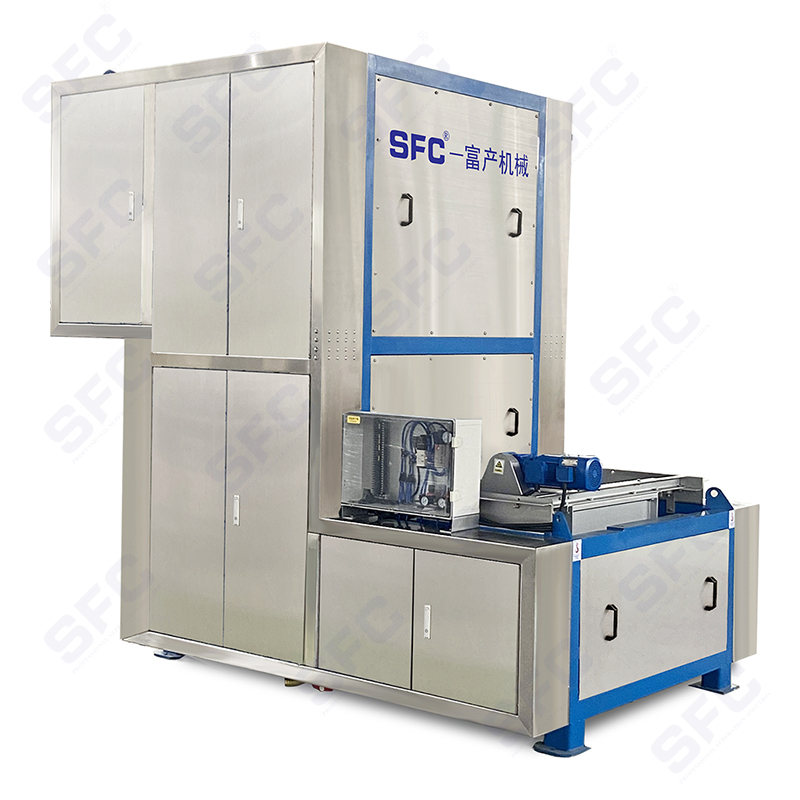 LSD-High pressure sludge deep dewatering system
-
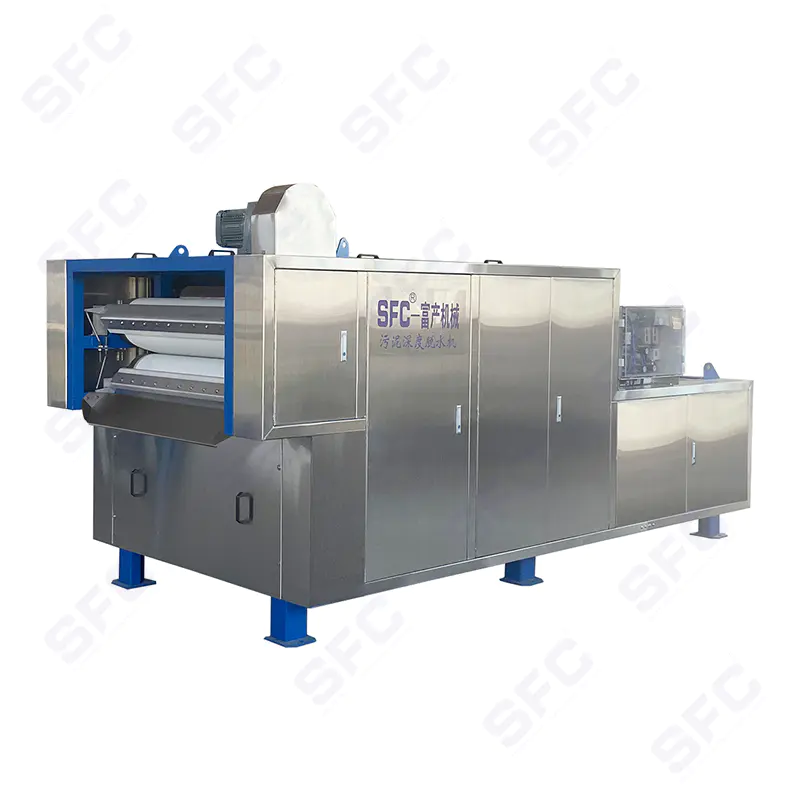 ZSD-High pressure sludge deep dewatering system
-
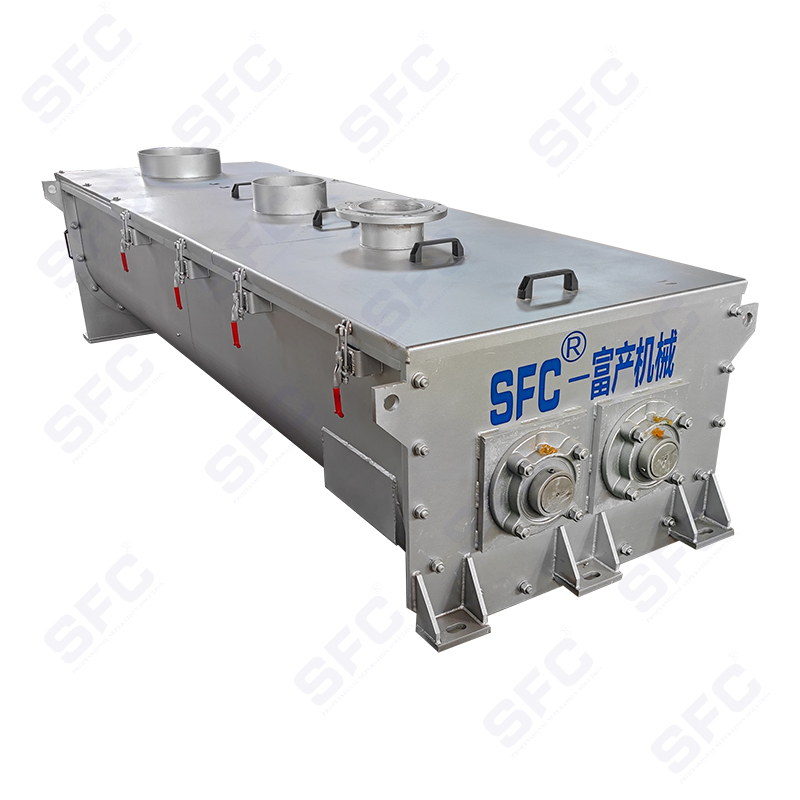 SFC-DM sludge mixer
What Is a High-Pressure Deep Sludge Dewatering Machine and How Does It Improve Sludge Treatment Efficiency?
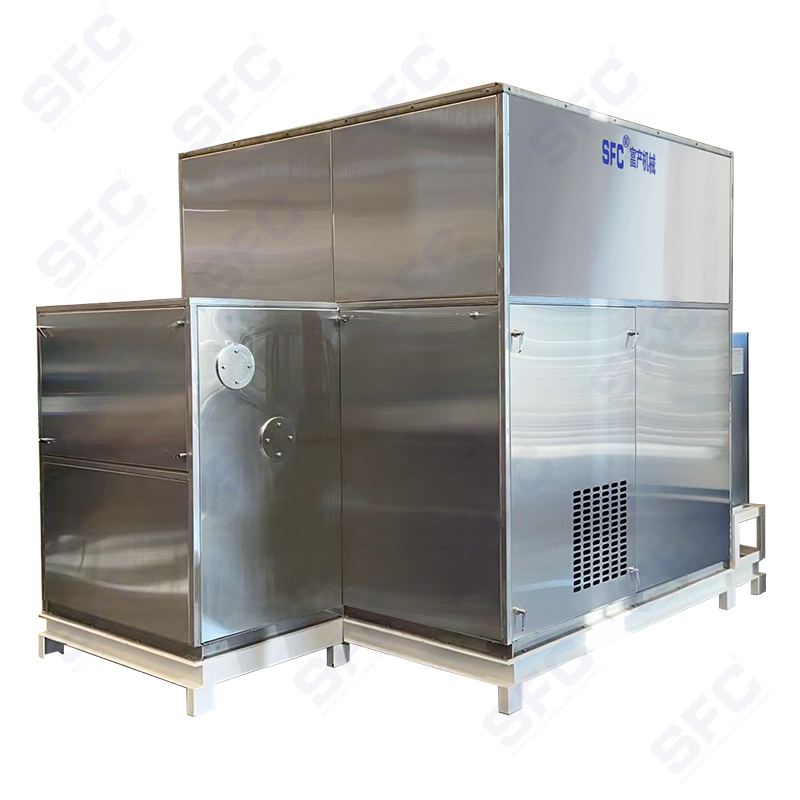
A high-pressure deep sludge dewatering machine is an advanced wastewater treatment device designed to reduce sludge volume by removing water under high pressure. Compared to traditional dewatering equipment, it applies stronger mechanical compression to achieve higher solid content in the output sludge cake. This type of machine is widely used in municipal sewage plants, industrial wastewater treatment, and mining operations where sludge disposal costs and environmental regulations demand efficient water reduction.
Key Components and Working Principle
High-pressure deep sludge dewatering machines typically integrate multiple components to ensure continuous, stable operation. The system usually includes a feeding pump, dewatering chamber, filter media, pressure device, and discharge system. The working principle is based on applying high pressure to compress sludge, forcing water through the filter media while retaining solids. The machine’s design aims to achieve a higher dehydration ratio and a drier sludge cake compared to conventional methods.
Feeding and Conditioning
Before entering the dewatering chamber, sludge often needs conditioning. Chemical conditioners like flocculants or polymers are added to improve sludge particle aggregation. This helps form larger flocs that are easier to dewater. The feeding pump ensures a stable flow into the chamber, preventing clogging and ensuring consistent pressure distribution.
High-Pressure Compression Chamber
The core part of the machine is the high-pressure compression chamber. Inside, the sludge is squeezed between two filter media under hydraulic or mechanical pressure. Water is expelled through the filter and collected for recycling or discharge. The pressure can be adjusted based on sludge characteristics to achieve the optimal balance between dryness and energy consumption.
Filter Media and Cleaning System
Filter media is usually made of durable materials such as stainless steel or reinforced polymer mesh. A cleaning system, often using high-pressure water jets or air blowback, is installed to remove accumulated solids and prevent blockage. Proper maintenance of the filter media is essential to ensure stable performance and long service life.
Discharge and Cake Handling
After dewatering, the sludge cake is discharged through a scraper or conveyor system. The cake can then be transported for further processing, such as drying, incineration, or landfill. A well-designed discharge system ensures smooth operation and reduces manual labor.

Advantages of High-Pressure Deep Dewatering
High-pressure deep sludge dewatering machines offer several advantages over conventional dewatering equipment. These benefits help reduce operational costs and improve treatment efficiency in sludge management.
- Higher sludge cake dryness, reducing volume and disposal costs
- Lower energy consumption compared to thermal drying
- Better performance for high-moisture and difficult-to-dewater sludge
- Stable operation with automatic pressure control
- Improved environmental compliance with reduced leachate
Typical Applications
These machines are suitable for a wide range of sludge treatment scenarios. They are particularly valuable in industries where sludge contains high water content or where space is limited for sludge handling.
Municipal Sewage Treatment Plants
Municipal sludge often has high water content and requires efficient dewatering to meet disposal standards. High-pressure deep dewatering machines can significantly reduce sludge volume, lowering transportation and landfill costs while improving compliance with environmental regulations.
Industrial Wastewater Treatment
Industries such as chemical, pharmaceutical, textile, and food processing generate sludge with varying properties. High-pressure deep dewatering machines can handle challenging sludge types, including those with fine particles or high organic content.
Mining and Mineral Processing
Mining sludge and tailings require effective water removal to reduce storage volume and improve safety. High-pressure dewatering provides a cost-effective solution for thickening and reducing the water content of mineral slurries.
How to Choose the Right Machine
Selecting the right high-pressure deep sludge dewatering machine requires understanding sludge characteristics and operational requirements. Key factors include sludge type, solids content, required dryness, and available space.
- Sludge type and particle size distribution
- Initial solids concentration and target cake dryness
- Processing capacity and throughput
- Available power supply and energy costs
- Maintenance requirements and filter media life
Sludge Testing and Pre-Assessment
Before purchasing, conduct a sludge test to determine particle size, organic content, and viscosity. This helps estimate the required pressure, filter media type, and conditioning chemicals. Many suppliers offer pilot testing services to ensure the machine meets performance expectations.
Automation and Control Features
Advanced machines feature automated pressure control, real-time monitoring, and alarms for abnormal conditions. These features improve stability and reduce the need for manual operation. Choosing a machine with user-friendly control systems can significantly improve efficiency and reliability.
Maintenance and Troubleshooting
Regular maintenance is essential to ensure consistent dewatering performance and prolong equipment life. Common issues include filter blockage, uneven cake formation, and pressure loss. A proactive maintenance plan can prevent downtime and reduce repair costs.
Filter Media Cleaning and Replacement
Filter media can become clogged by fine particles or sticky sludge. Regular cleaning with water jets or backwash is necessary. Replace filter media based on wear and performance decline to maintain stable dewatering results.
Pressure System Inspection
Check hydraulic systems, pumps, and seals for leaks or pressure loss. Maintaining stable pressure is crucial for achieving high cake dryness. Replace worn seals and monitor oil quality in hydraulic systems to prevent failures.
Chemical Conditioning Optimization
Conditioning chemicals directly affect dewatering efficiency. If the sludge cake is too wet, adjust polymer dosage or mixing time. Conduct regular testing to optimize chemical usage and reduce operational costs.
Conclusion
High-pressure deep sludge dewatering machines offer an efficient and cost-effective solution for reducing sludge volume and improving wastewater treatment outcomes. By applying high pressure and using advanced filter media, these machines can produce dryer sludge cakes, reduce disposal costs, and improve environmental compliance. Choosing the right equipment requires careful assessment of sludge characteristics, processing capacity, and operational needs. With proper maintenance and optimized conditioning, high-pressure deep dewatering machines can deliver stable and long-term performance in municipal, industrial, and mining applications.
Related products recommendations
- Phone: +86-13816732007
- Tel: +86-021-50966266
- Email: [email protected]
- Address: Room 1201.1122 Xinjinqiao Rd, Pudong new district, Shanghai PRC China
Copyright © Shanghai Fuchan Machinery Technology Co., Ltd. All Rights Reserved.
 Manufacturers Of Sludge Treatment Equipment