


 English
 Español
Hot Products
-
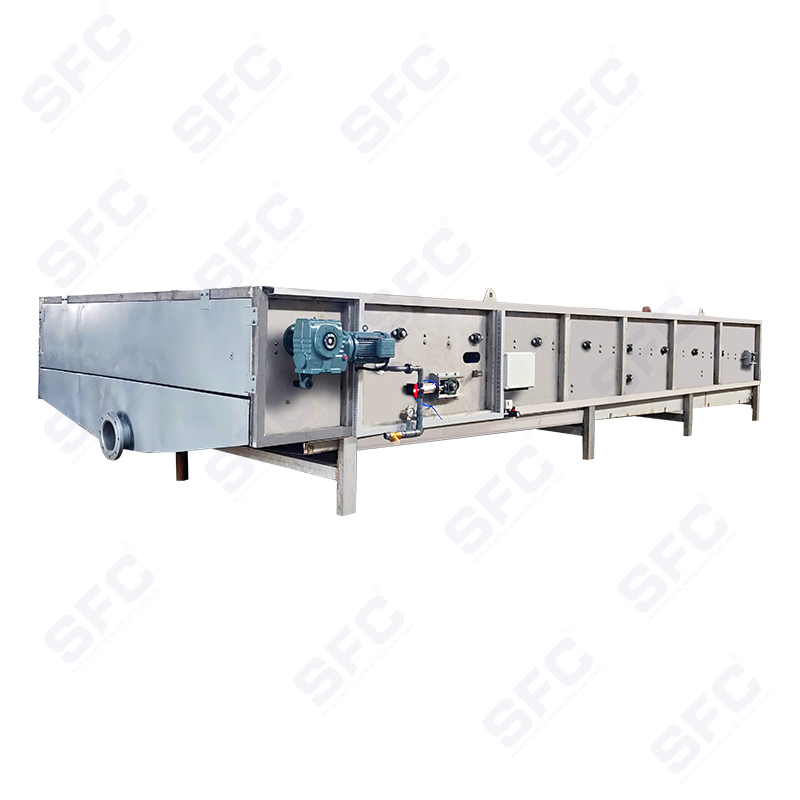 FBT series belt type sludge thickener
-
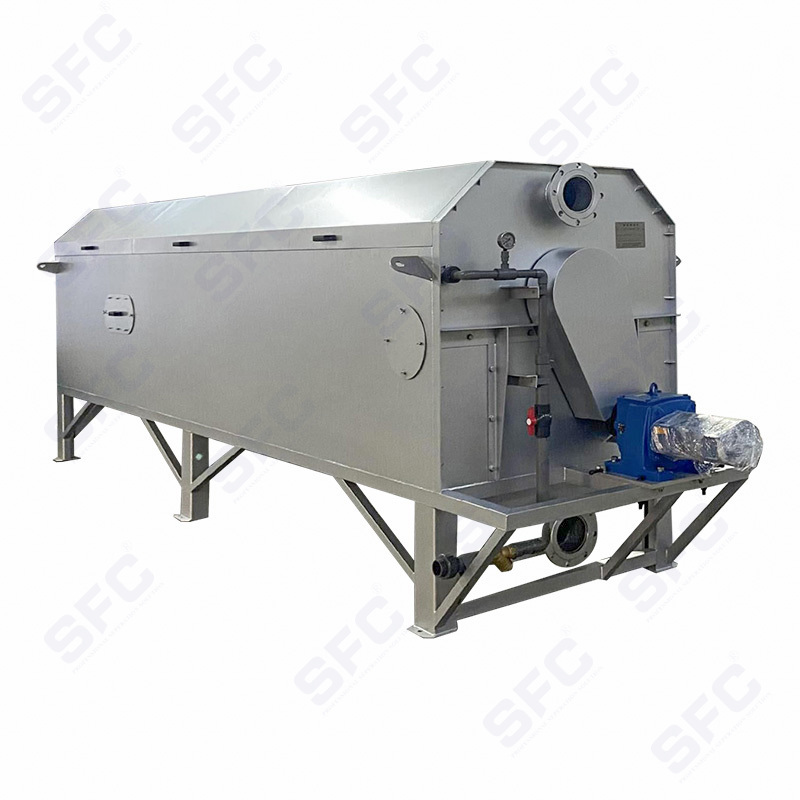 FRDT series rotary drum sludge thickener
-
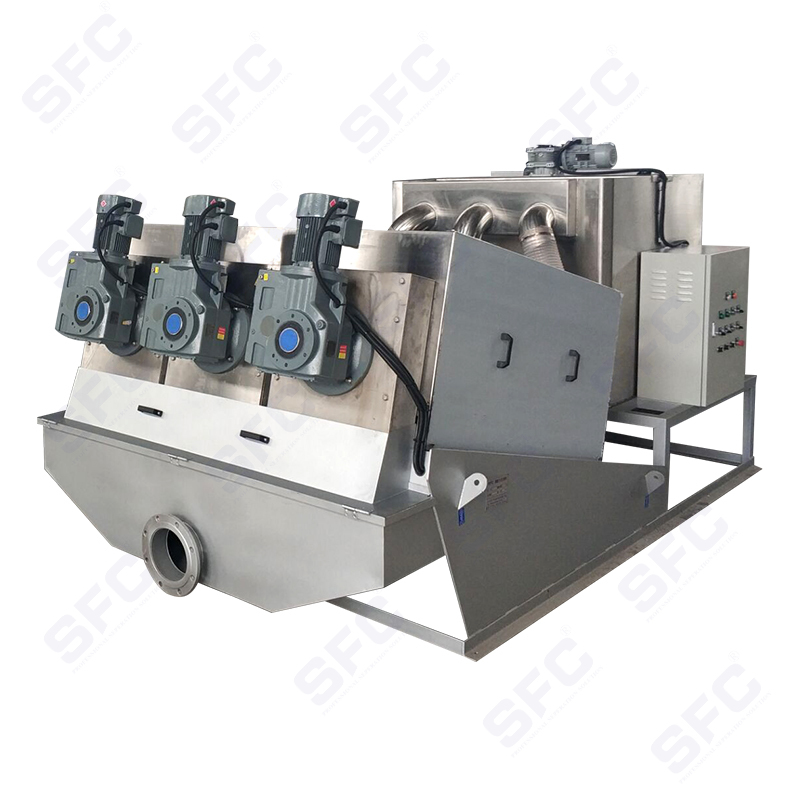 SST series screw type sludge thickener
-
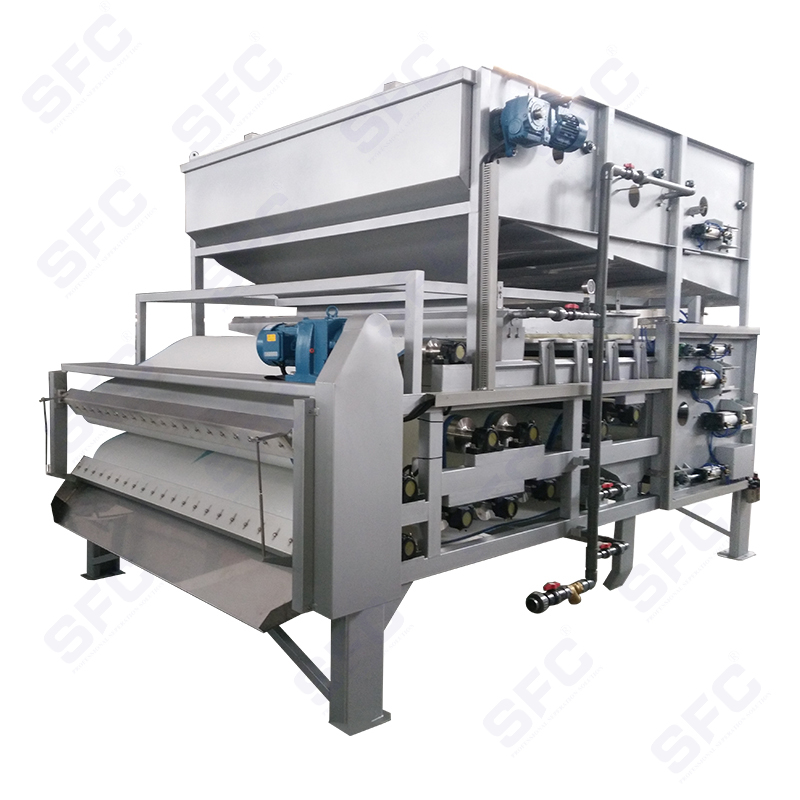 Belt type sludge thickening and dewatering machine
-
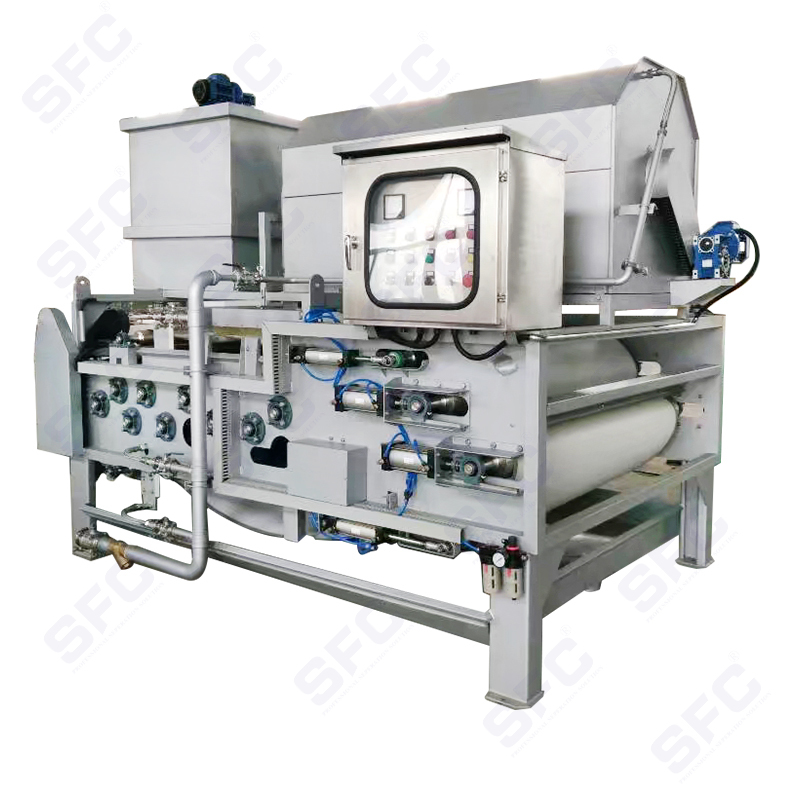 FTB series rotary drum sludge dewatering machine
-
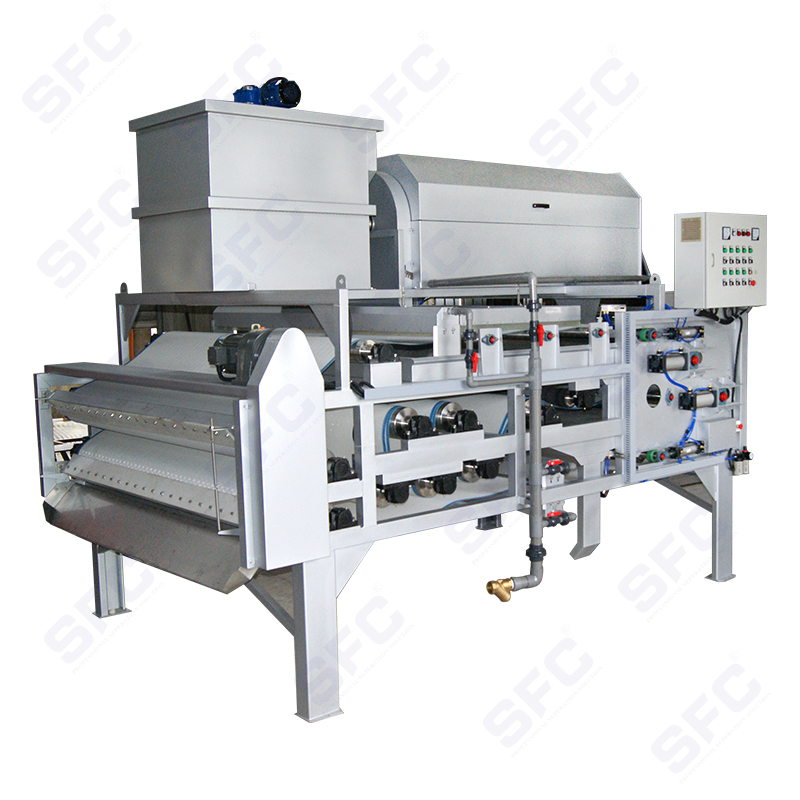 FTE series rotary drum sludge dewatering machine
-
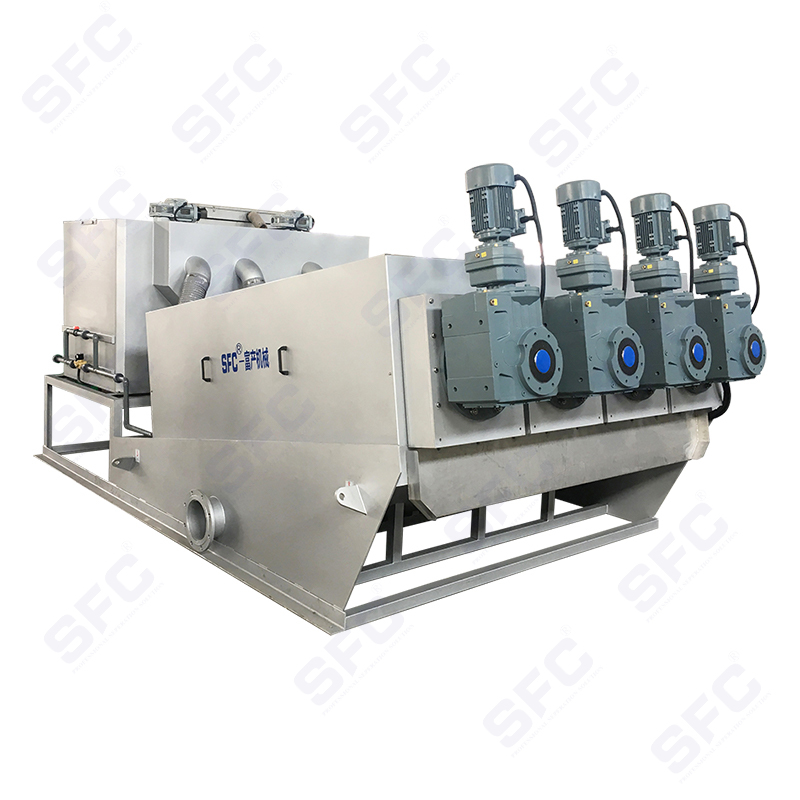 DL series screw sludge dehydrator/ screw type sludge dewatering machine
-
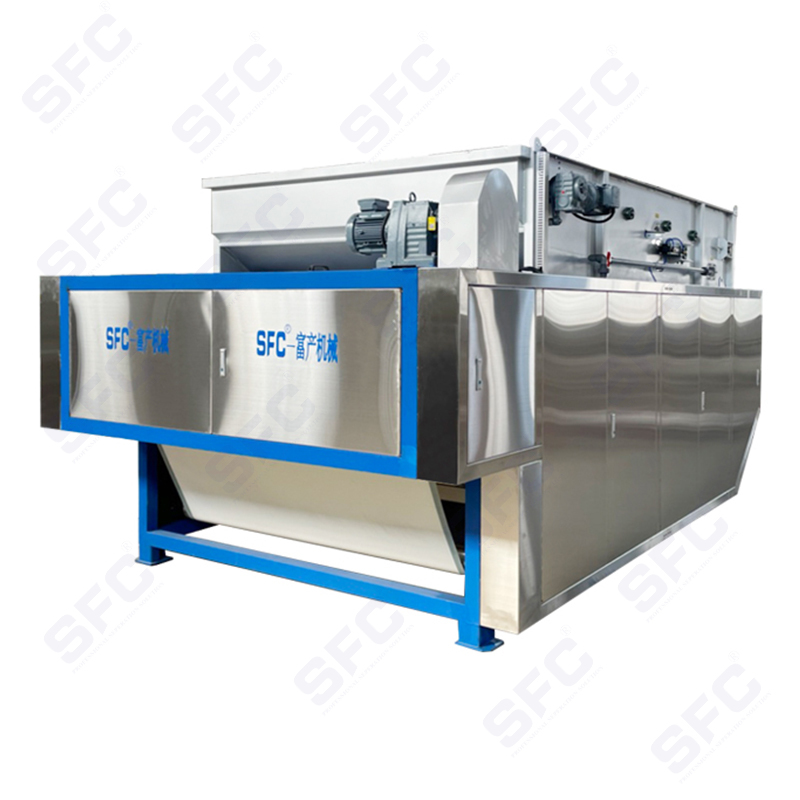 GDY series belt sludge concentration and dewatering machine
-
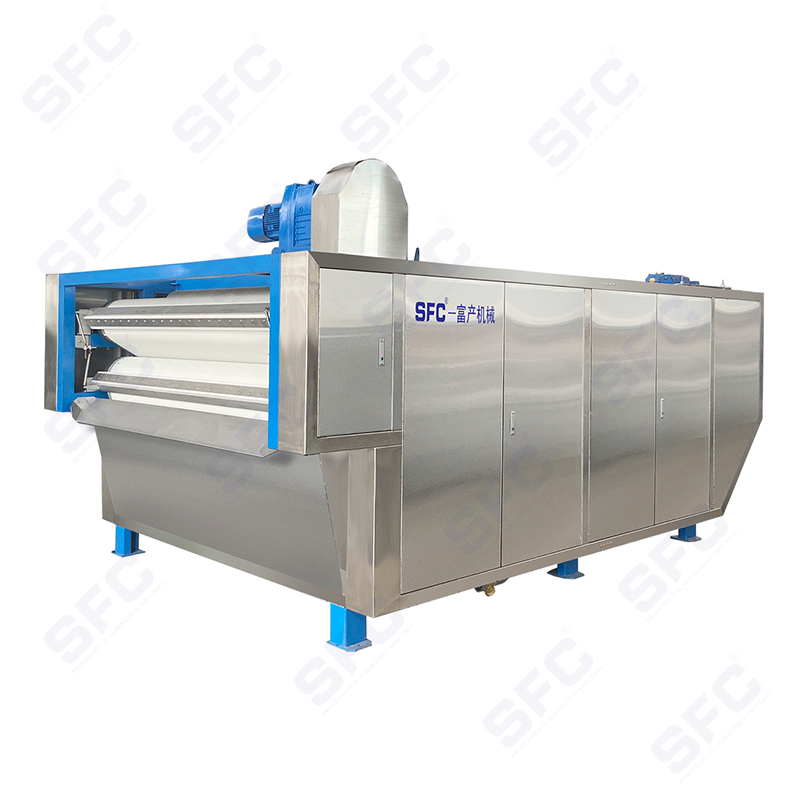 SD-High pressure sludge deep dewatering system
-
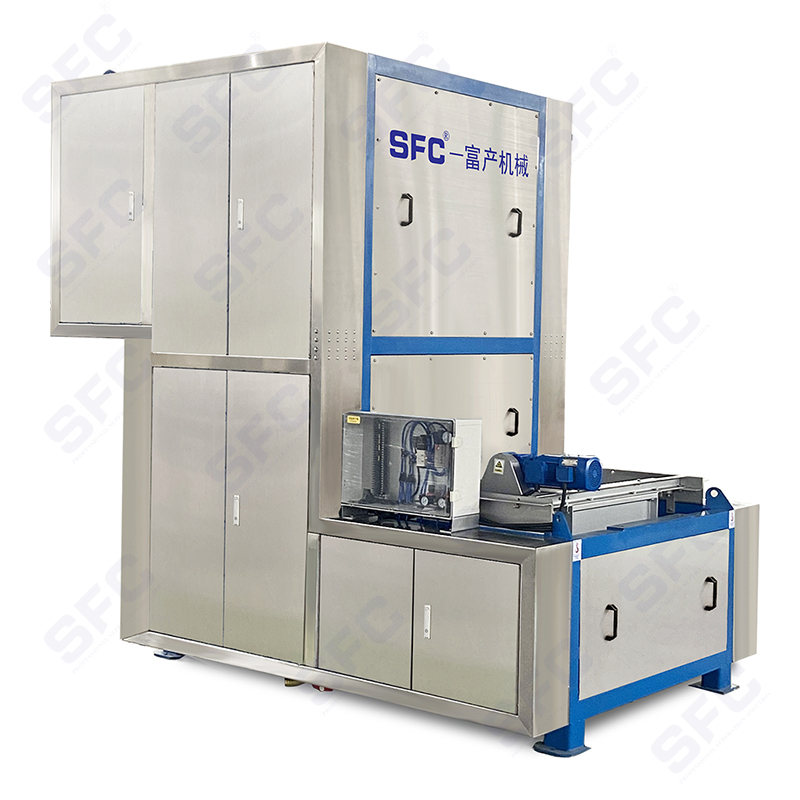 LSD-High pressure sludge deep dewatering system
-
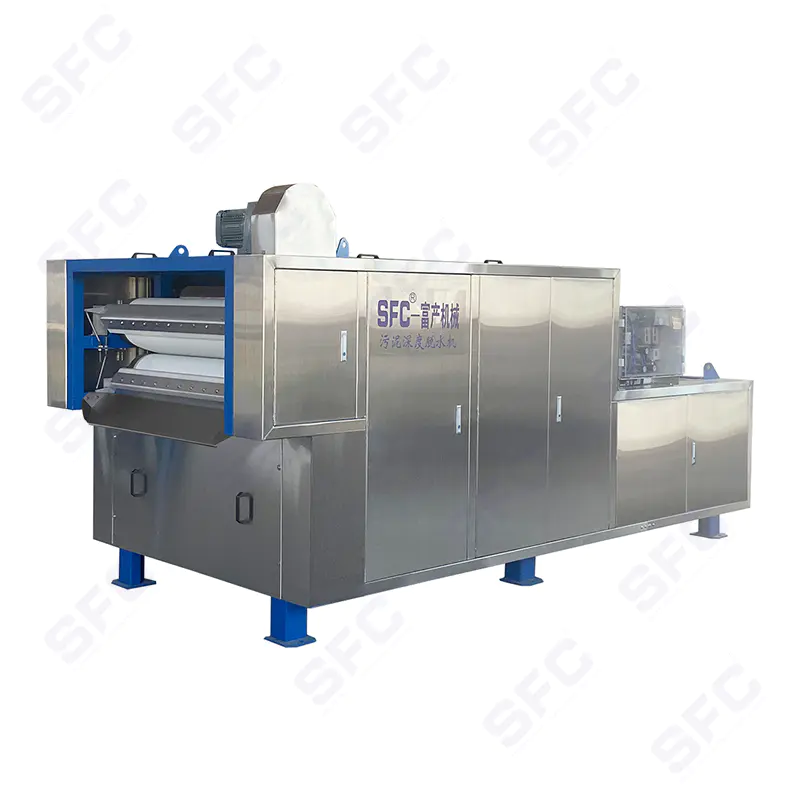 ZSD-High pressure sludge deep dewatering system
-
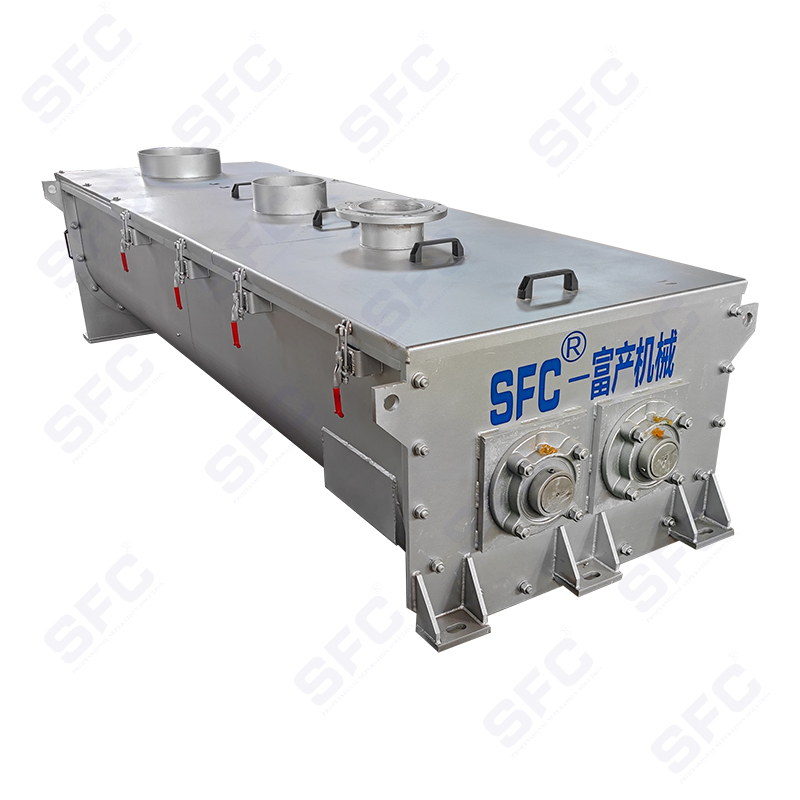 SFC-DM sludge mixer
What Maintenance Practices Ensure Long-Term Efficiency of Belt Sludge Dewatering Machines?
Belt sludge concentration and dewatering machines are critical equipment in wastewater treatment plants and industrial processes where sludge management is essential. These machines efficiently separate water from sludge, reducing volume, lowering disposal costs, and improving environmental compliance. Proper maintenance is crucial to ensure consistent performance, prevent downtime, and extend the machine’s operational life.
This article provides a comprehensive guide on maintenance practices that ensure the long-term efficiency of belt sludge concentration and dewatering machines, covering inspection, cleaning, lubrication, adjustment, and preventive strategies.
Understanding Machine Components
Before discussing maintenance, it is important to understand the key components of a belt sludge dewatering machine. These typically include:
- Feed box: receives the sludge and distributes it evenly onto the belt.
- Filter belt: the primary dewatering medium, allowing water to pass through while retaining solids.
- Rollers and press zones: provide the necessary pressure to squeeze water out of the sludge.
- Drive system: motors, gears, and belts that move the filter belts and rollers.
- Discharge area: removes the dewatered sludge cake for further handling or disposal.
Regular Inspection Practices
Routine inspections are critical for early detection of wear and potential problems. Operators should check:

- Filter belts for tears, holes, or excessive wear.
- Rollers for smooth rotation and signs of corrosion or damage.
- Drive motors and gearboxes for unusual noises, vibration, or overheating.
- Feed box and sludge inlet for blockages or uneven sludge distribution.
- Hydraulic or pneumatic systems, if equipped, for leaks or pressure inconsistencies.
Filter Belt Maintenance
The filter belt is the most critical component of a belt sludge dewatering machine. Proper care extends its life and maintains dewatering efficiency.
Cleaning and Alignment
Regular cleaning of the filter belt prevents sludge buildup and reduces the risk of tearing. Use high-pressure water jets or chemical cleaning agents approved by the manufacturer. Additionally, ensure the belt is properly aligned to prevent uneven wear or slipping.
Tension Adjustment
Proper belt tension ensures effective dewatering without overstraining the motor or rollers. Adjust tension according to manufacturer guidelines, especially after replacing worn belts.
Roller and Press Zone Care
Rollers and press zones exert pressure to extract water from sludge. Maintaining these components is essential for consistent performance.
Roller Surface Inspection
Inspect rollers regularly for smoothness, corrosion, or pitting. Any damage can cause uneven pressure and reduce dewatering efficiency.
Lubrication
Bearings and moving parts of rollers require regular lubrication. Use the lubricant specified by the manufacturer and adhere to recommended schedules to prevent wear and overheating.
Drive System Maintenance
The drive system powers the machine and moves the filter belts. Proper care ensures smooth operation and reduces downtime.
- Check belt tension and condition if using belt-driven systems.
- Inspect motor and gearbox alignment to prevent vibration.
- Monitor electrical components for overheating, loose connections, or unusual noises.
Hydraulic and Pneumatic System Maintenance
Many belt sludge dewatering machines include hydraulic or pneumatic systems to adjust roller pressure or control feed mechanisms. Regular maintenance includes:
- Inspect hoses, seals, and connections for leaks.
- Check fluid levels and replace hydraulic oil as recommended.
- Test pressure settings and calibration to maintain optimal dewatering performance.
Preventive Maintenance Schedule
Implementing a preventive maintenance schedule ensures long-term machine efficiency. A typical schedule includes:
- Daily: Inspect belts, clean sludge residue, check feed uniformity, monitor motor and hydraulic system performance.
- Weekly: Lubricate bearings, inspect rollers, verify belt tension and alignment, and test hydraulic/pneumatic systems.
- Monthly: Deep cleaning of filter belts, full roller inspection, gear and motor checks, replacement of worn components.
- Annually: Overhaul drive systems, replace belts if necessary, inspect structural components, and perform performance tests.
Training and Operator Practices
Proper operator training is essential for maintaining machine efficiency. Operators should understand:
- Correct startup and shutdown procedures.
- Proper belt loading and sludge distribution.
- Identification of unusual noises, vibrations, or abnormal sludge consistency.
- Safe handling of chemicals used in cleaning or lubrication.
Conclusion
Belt sludge concentration and dewatering machines are vital for effective wastewater and sludge management. Implementing consistent maintenance practices, including regular inspection, filter belt care, roller lubrication, drive system checks, and preventive scheduling, ensures long-term efficiency and reliable operation. Proper training and adherence to manufacturer guidelines further extend machine life, reduce downtime, and optimize sludge dewatering performance for industrial and municipal applications.
Related products recommendations
- Phone: +86-13816732007
- Tel: +86-021-50966266
- Email: [email protected]
- Address: Room 1201.1122 Xinjinqiao Rd, Pudong new district, Shanghai PRC China
Copyright © Shanghai Fuchan Machinery Technology Co., Ltd. All Rights Reserved.
 Manufacturers Of Sludge Treatment Equipment