


 English
 Español
Hot Products
-
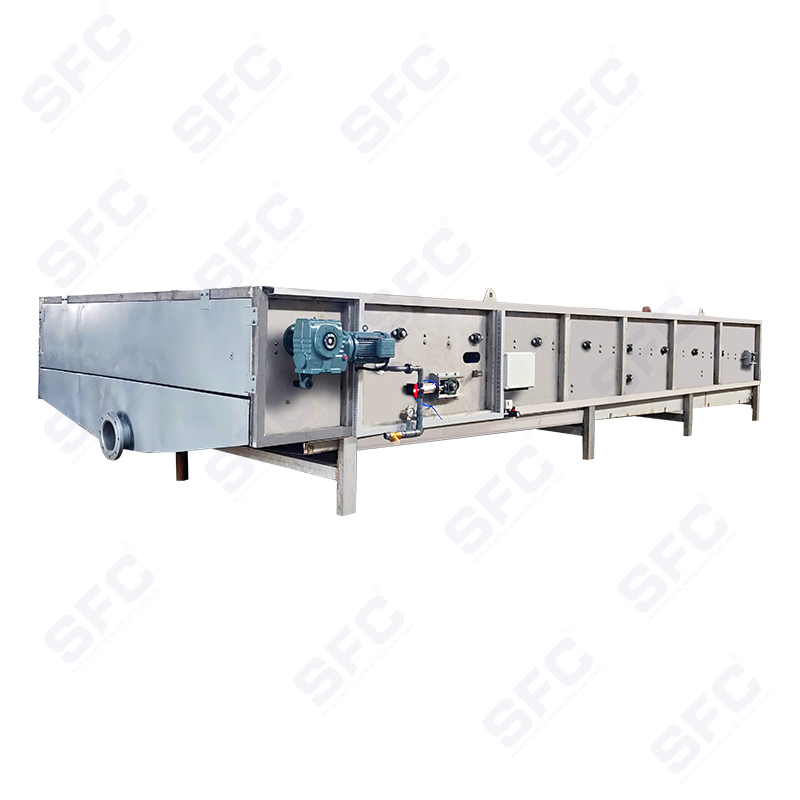 FBT series belt type sludge thickener
-
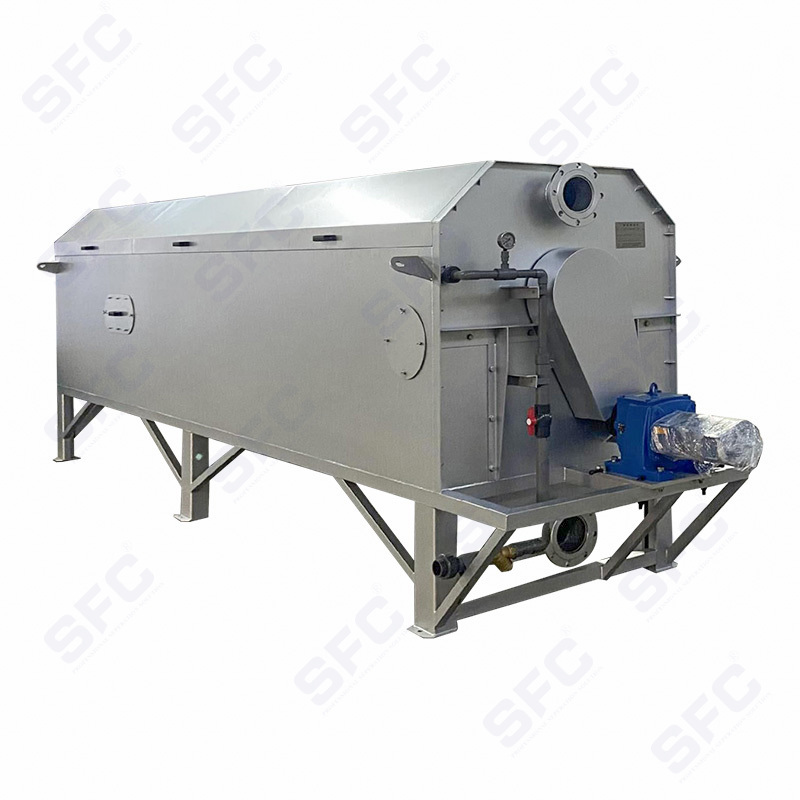 FRDT series rotary drum sludge thickener
-
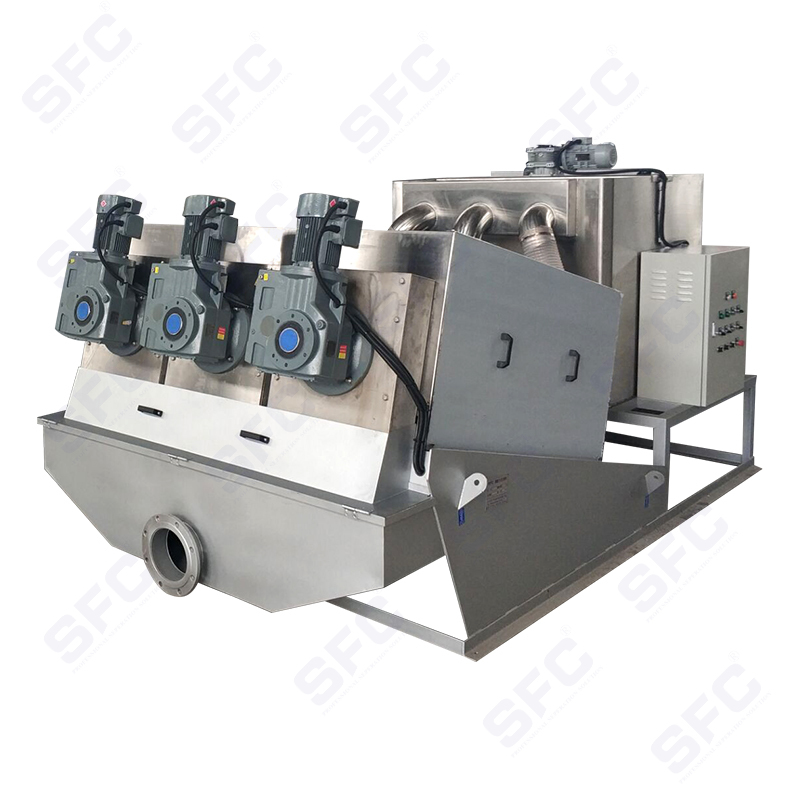 SST series screw type sludge thickener
-
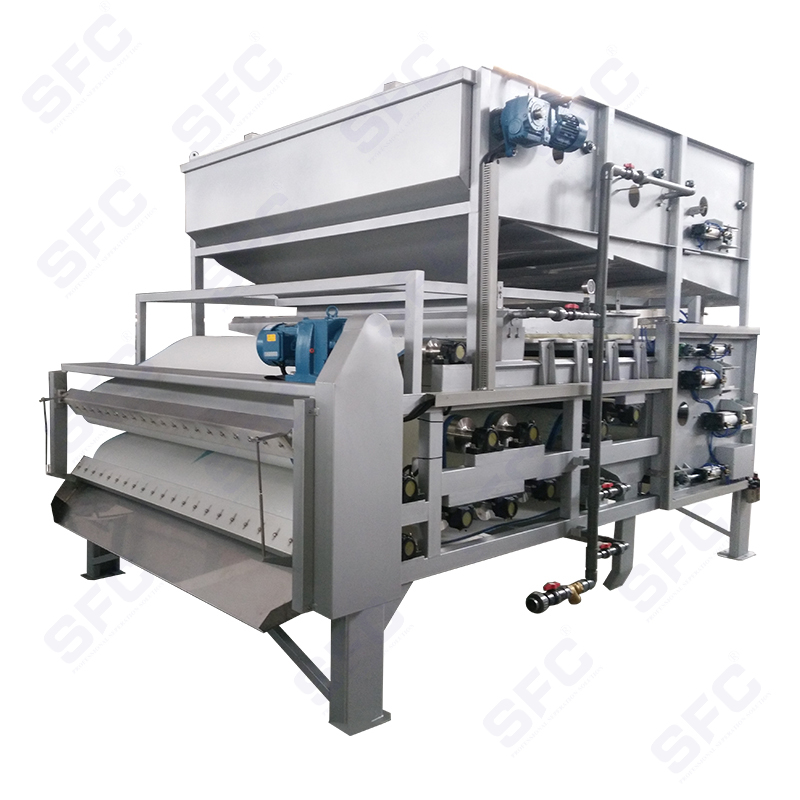 Belt type sludge thickening and dewatering machine
-
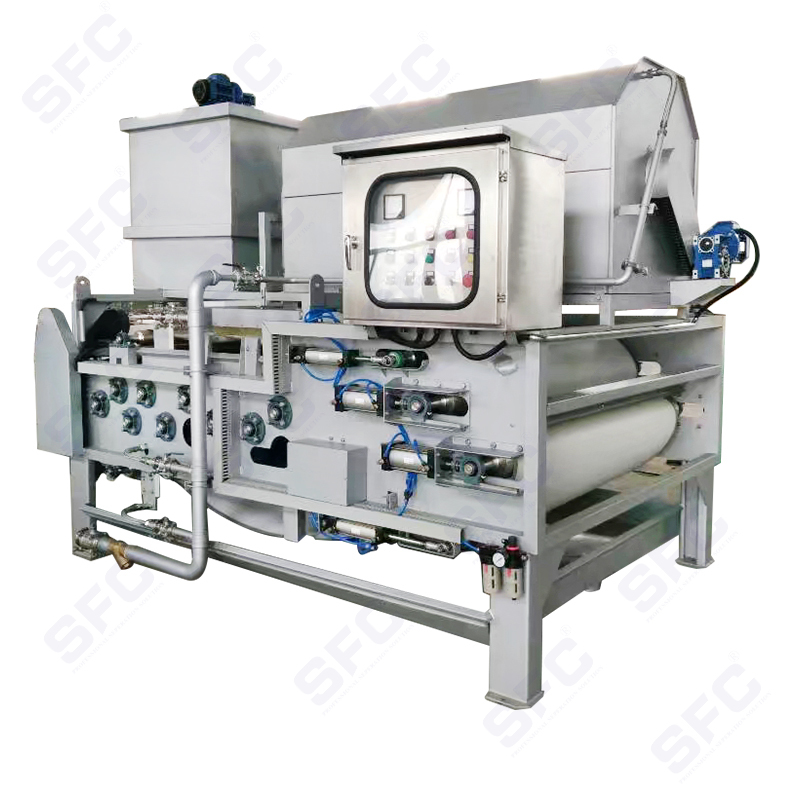 FTB series rotary drum sludge dewatering machine
-
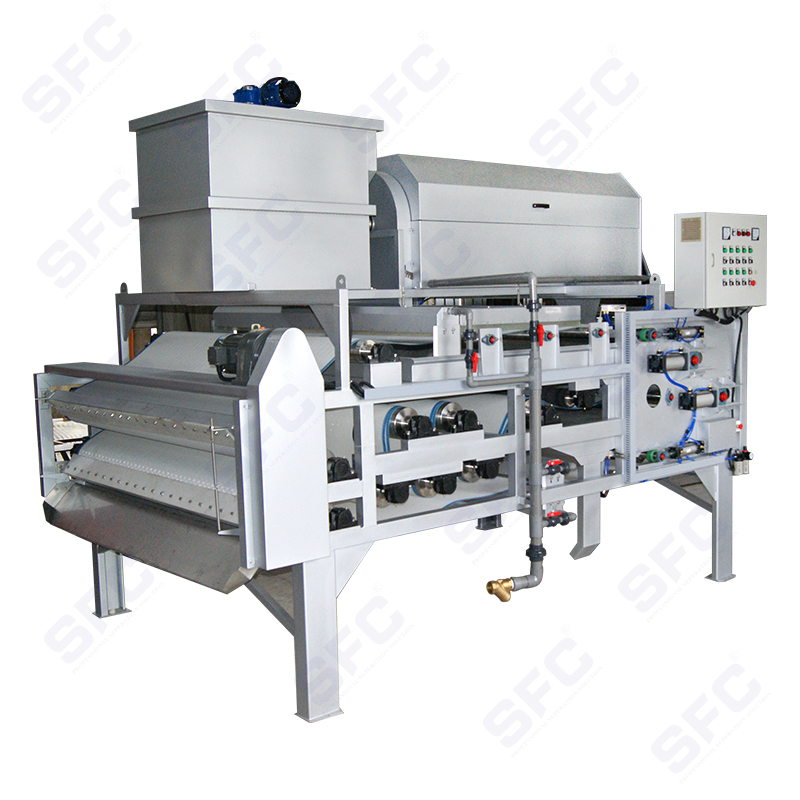 FTE series rotary drum sludge dewatering machine
-
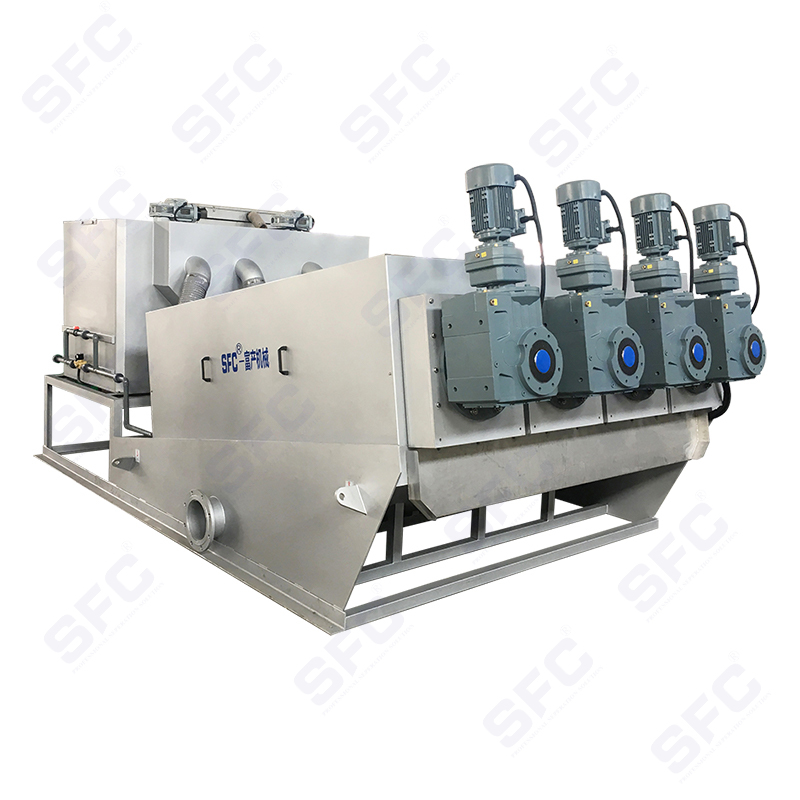 DL series screw sludge dehydrator/ screw type sludge dewatering machine
-
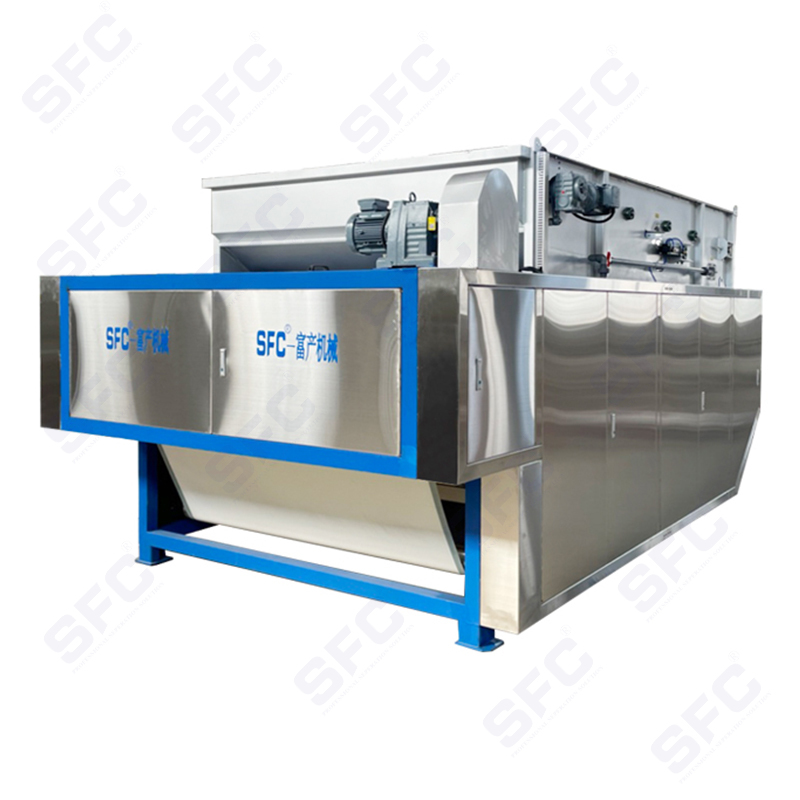 GDY series belt sludge concentration and dewatering machine
-
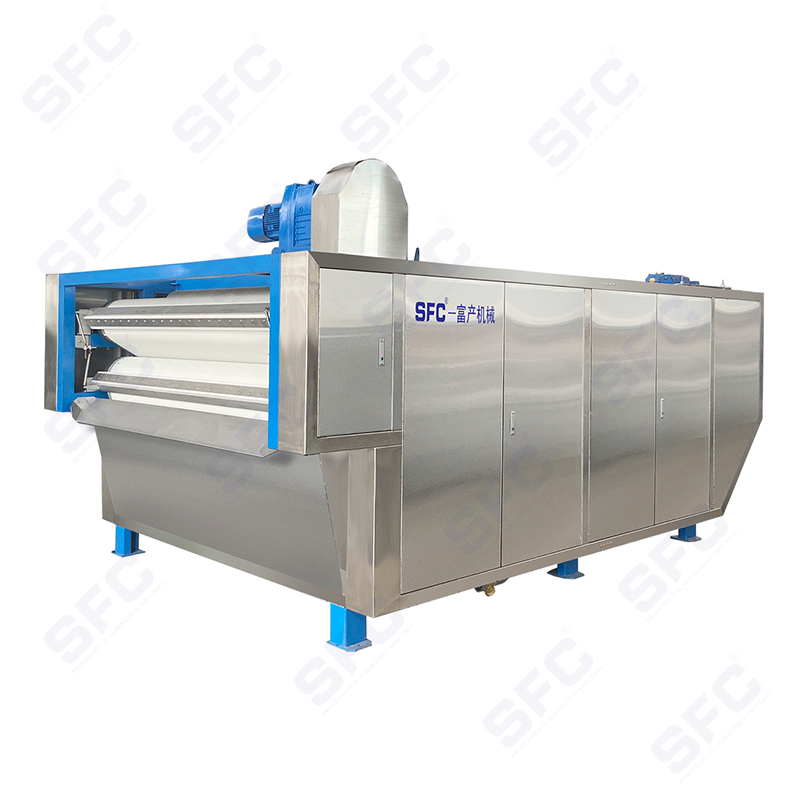 SD-High pressure sludge deep dewatering system
-
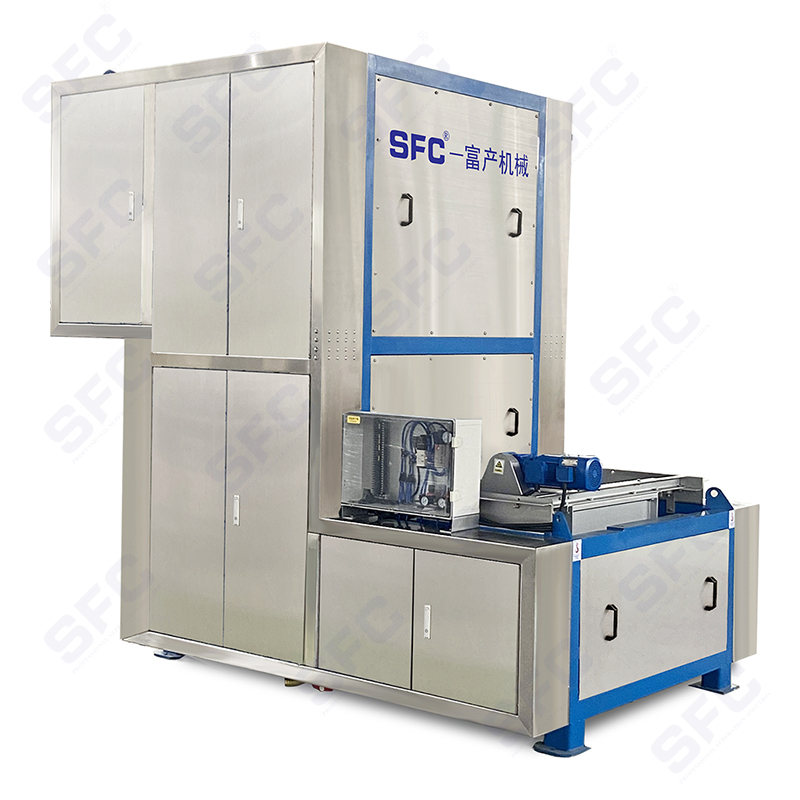 LSD-High pressure sludge deep dewatering system
-
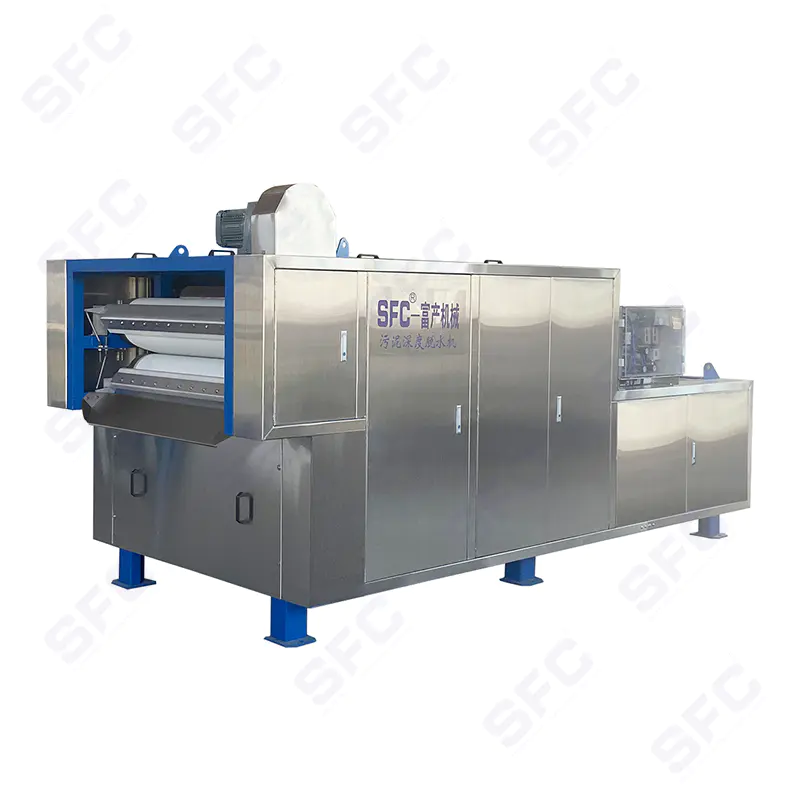 ZSD-High pressure sludge deep dewatering system
-
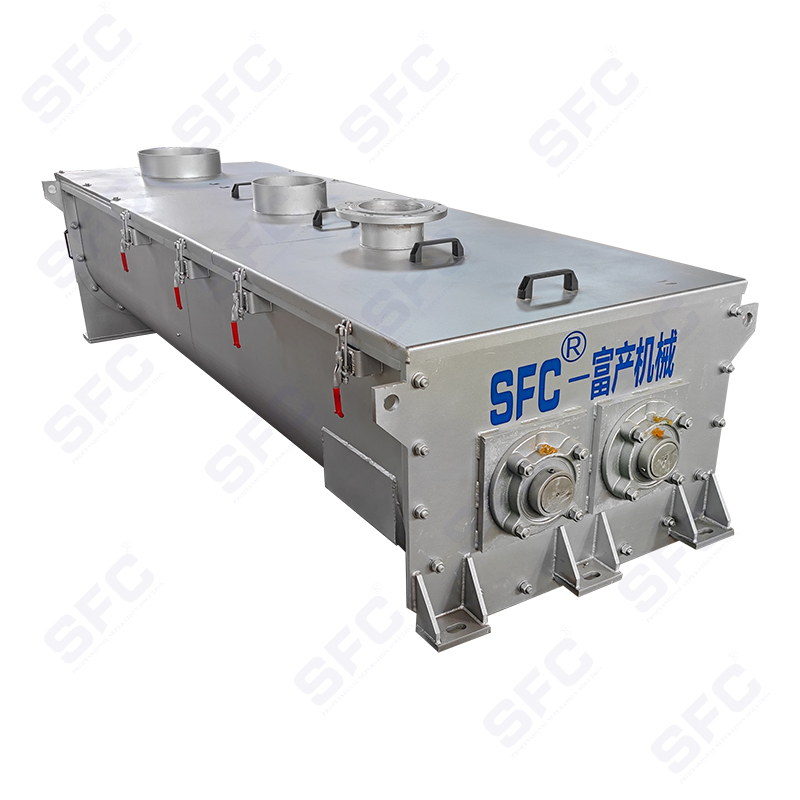 SFC-DM sludge mixer
How Does Sludge Filter Equipment Improve Wastewater Treatment Cost and Performance?
Sludge filter equipment plays a critical role in modern wastewater treatment plants by separating solid sludge from liquid effluent. During biological and chemical treatment processes, large volumes of sludge are generated, containing water, organic matter, and inorganic solids. If this sludge is not efficiently treated, it can significantly increase disposal costs and negatively affect overall plant performance. Sludge filter equipment is designed to reduce moisture content, minimize sludge volume, and prepare solids for safe disposal or reuse, directly influencing both operational efficiency and cost control.
How Sludge Filter Equipment Improves Treatment Performance
Performance improvement is one of the most important benefits of using advanced sludge filter equipment. By effectively separating water from solids, these systems enhance downstream treatment efficiency and stabilize the overall wastewater process. High-quality filtration ensures consistent sludge characteristics, which is essential for meeting regulatory discharge standards and maintaining plant reliability.
Enhanced Solid-Liquid Separation
Modern sludge filter equipment uses optimized pressure, gravity, or vacuum mechanisms to achieve higher solid capture rates. Improved separation reduces suspended solids in effluent, lowering the load on secondary treatment stages and improving final water quality.
Stable and Predictable Sludge Output
Consistent filtration performance produces sludge with uniform dryness and composition. This predictability helps operators better manage sludge handling, transportation, and disposal processes while reducing unexpected system downtime.
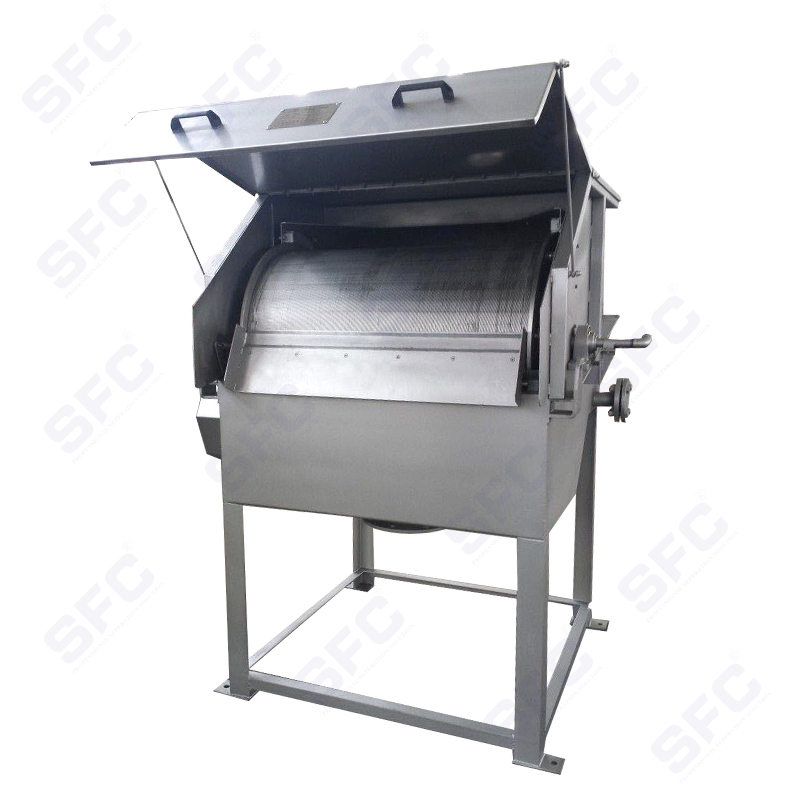
Cost Reduction Through Efficient Sludge Dewatering
One of the primary reasons wastewater facilities invest in sludge filter equipment is cost reduction. Dewatering directly impacts sludge volume, and even small improvements in dryness can result in substantial savings over time.
Lower Transportation and Disposal Costs
By reducing water content, sludge filter equipment significantly decreases sludge weight and volume. This leads to fewer truckloads, lower fuel consumption, and reduced landfill or incineration fees, making sludge management more economical.
Reduced Energy and Chemical Consumption
Efficient filtration systems require less energy to process the same amount of sludge. Additionally, optimized equipment design can reduce the need for conditioning chemicals, lowering recurring operating expenses without compromising performance.
Types of Sludge Filter Equipment and Their Cost Impacts
Different sludge filter equipment types offer varying performance levels and cost structures. Selecting the right system depends on sludge characteristics, treatment capacity, and budget considerations.
| Equipment Type | Key Advantage | Cost Impact |
| Filter Press | High dryness levels | Lowest disposal costs |
| Belt Filter Press | Continuous operation | Lower labor costs |
| Vacuum Filter | High throughput | Balanced energy use |
Operational Efficiency and Labor Savings
Automation and intelligent controls in modern sludge filter equipment significantly reduce labor requirements. Automated cake discharge, pressure control, and monitoring systems allow operators to manage larger treatment volumes with fewer personnel.
- Reduced manual intervention and maintenance time
- Improved workplace safety and lower labor risks
- Higher uptime and more predictable operating schedules
Environmental and Regulatory Benefits
Beyond cost and performance, sludge filter equipment helps facilities meet increasingly strict environmental regulations. Better dewatering reduces leachate generation and minimizes environmental impact during transport and disposal.
Compliance with Discharge Standards
Effective sludge filtration reduces pollutant levels in treated effluent, helping plants comply with discharge permits and avoid costly penalties.
Support for Resource Recovery
Dewatered sludge can be reused for composting, land application, or energy recovery. High-performance sludge filter equipment improves the feasibility of these sustainable practices.
Long-Term Return on Investment
Although sludge filter equipment requires upfront capital investment, the long-term return is substantial. Reduced disposal fees, lower operating costs, improved compliance, and extended equipment life collectively contribute to a strong return on investment. For wastewater treatment facilities seeking to optimize both cost and performance, high-quality sludge filter equipment is not an expense, but a strategic asset.
Conclusion: Balancing Cost Control and Performance Optimization
Sludge filter equipment is a key driver of efficiency in wastewater treatment systems. By improving dewatering performance, reducing operational and disposal costs, and supporting environmental compliance, it enables facilities to operate more sustainably and competitively. Choosing the right sludge filter equipment and optimizing its operation can deliver measurable benefits in both short-term savings and long-term performance stability.
Related products recommendations
- Phone: +86-13816732007
- Tel: +86-021-50966266
- Email: [email protected]
- Address: Room 1201.1122 Xinjinqiao Rd, Pudong new district, Shanghai PRC China
Copyright © Shanghai Fuchan Machinery Technology Co., Ltd. All Rights Reserved.
 Manufacturers Of Sludge Treatment Equipment