


 English
 Español
Hot Products
-
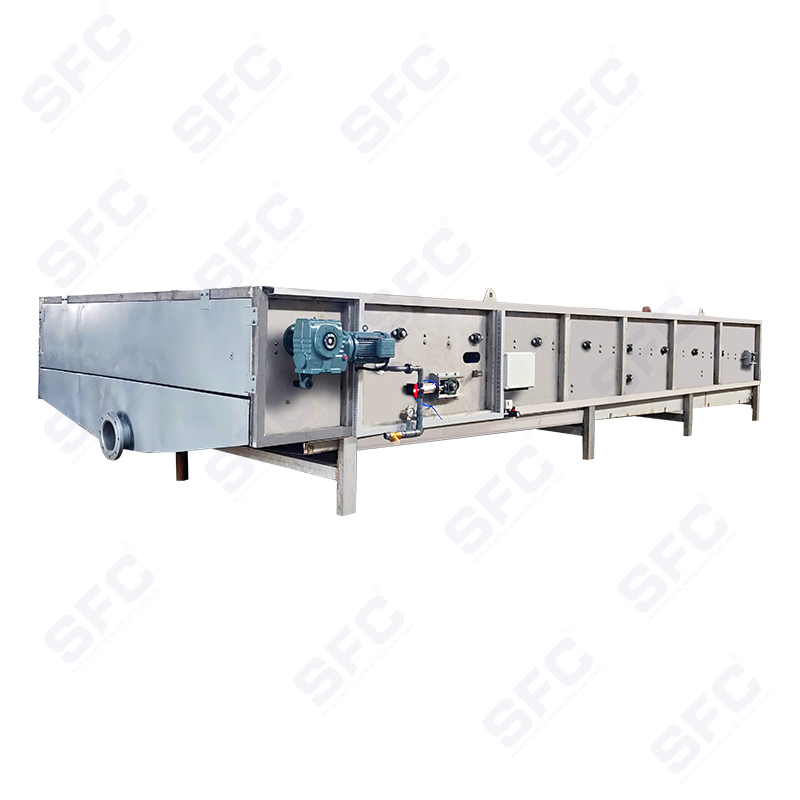 FBT series belt type sludge thickener
-
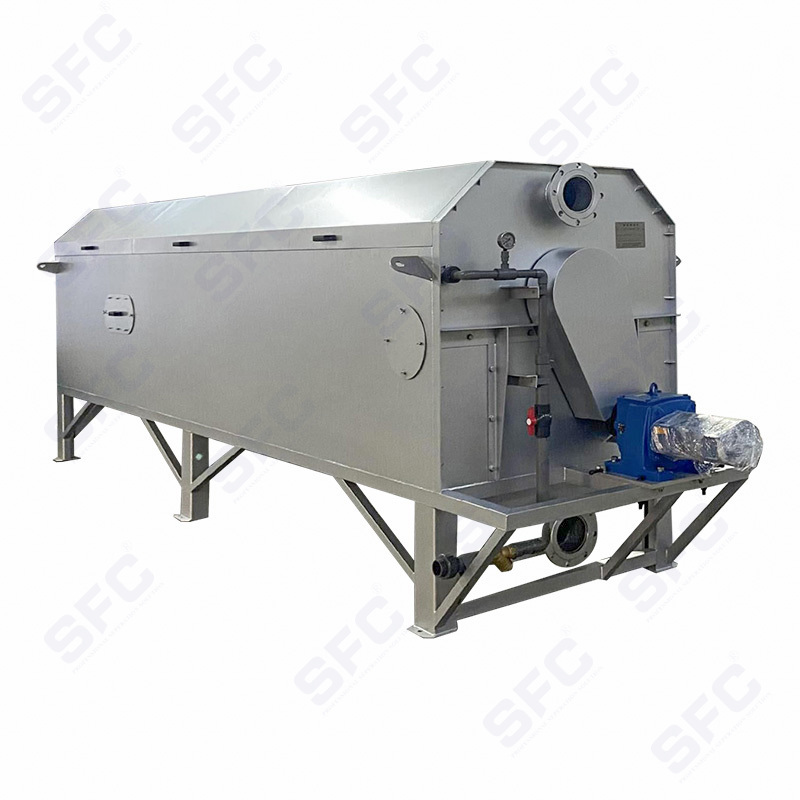 FRDT series rotary drum sludge thickener
-
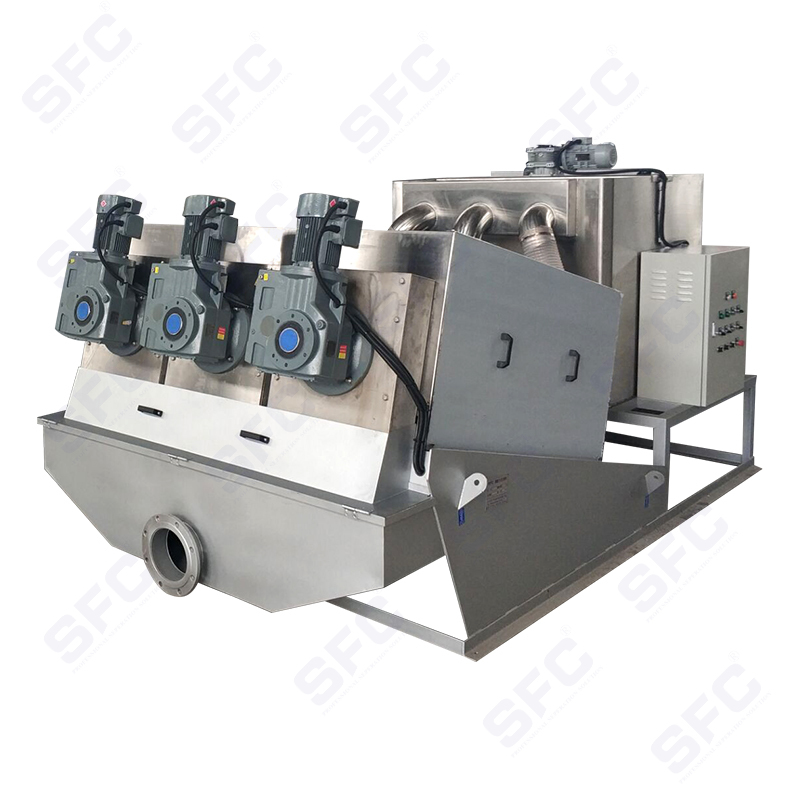 SST series screw type sludge thickener
-
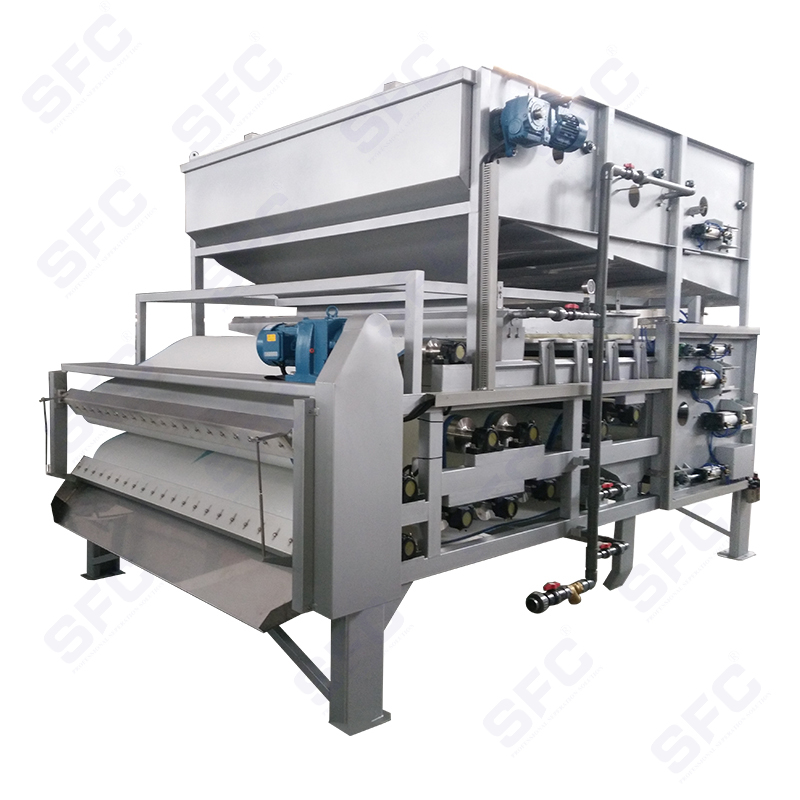 Belt type sludge thickening and dewatering machine
-
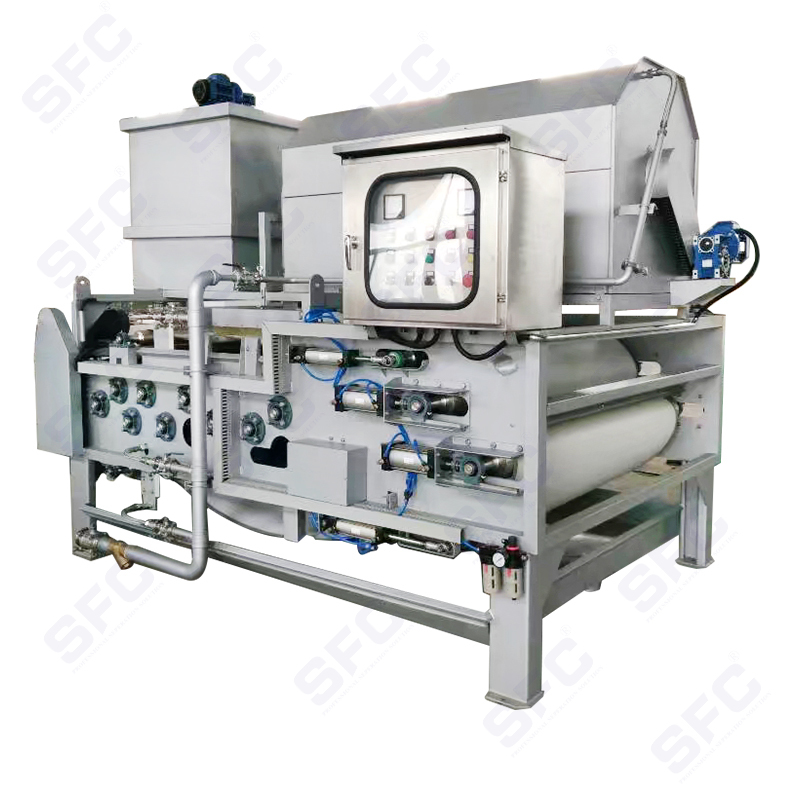 FTB series rotary drum sludge dewatering machine
-
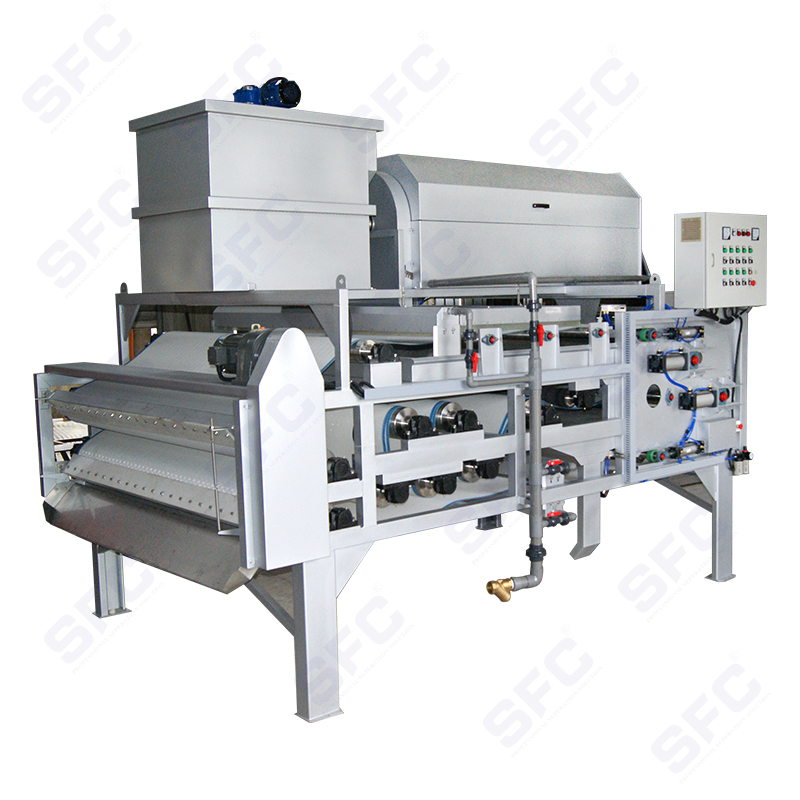 FTE series rotary drum sludge dewatering machine
-
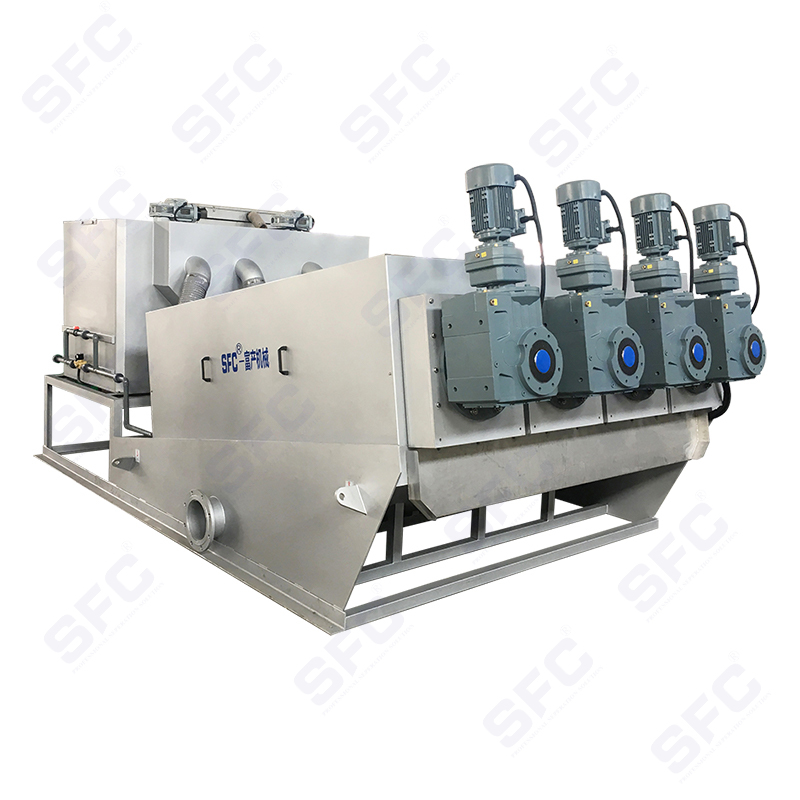 DL series screw sludge dehydrator/ screw type sludge dewatering machine
-
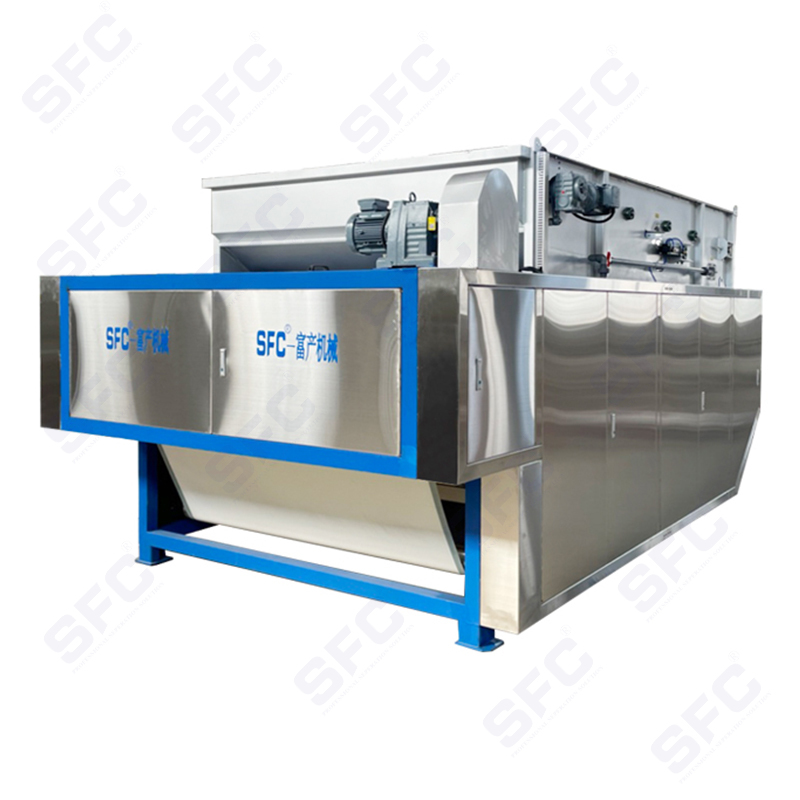 GDY series belt sludge concentration and dewatering machine
-
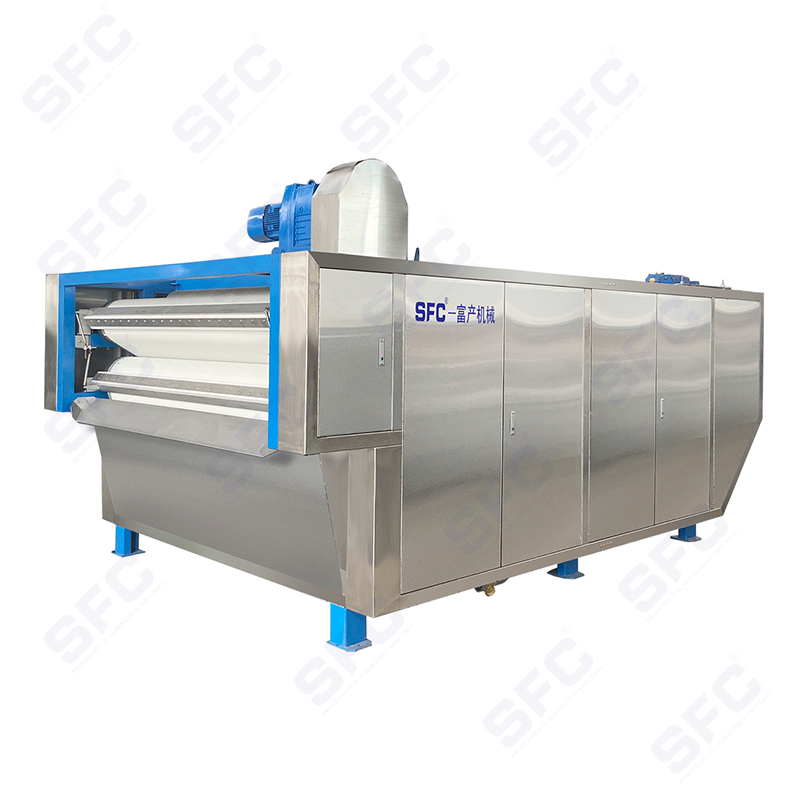 SD-High pressure sludge deep dewatering system
-
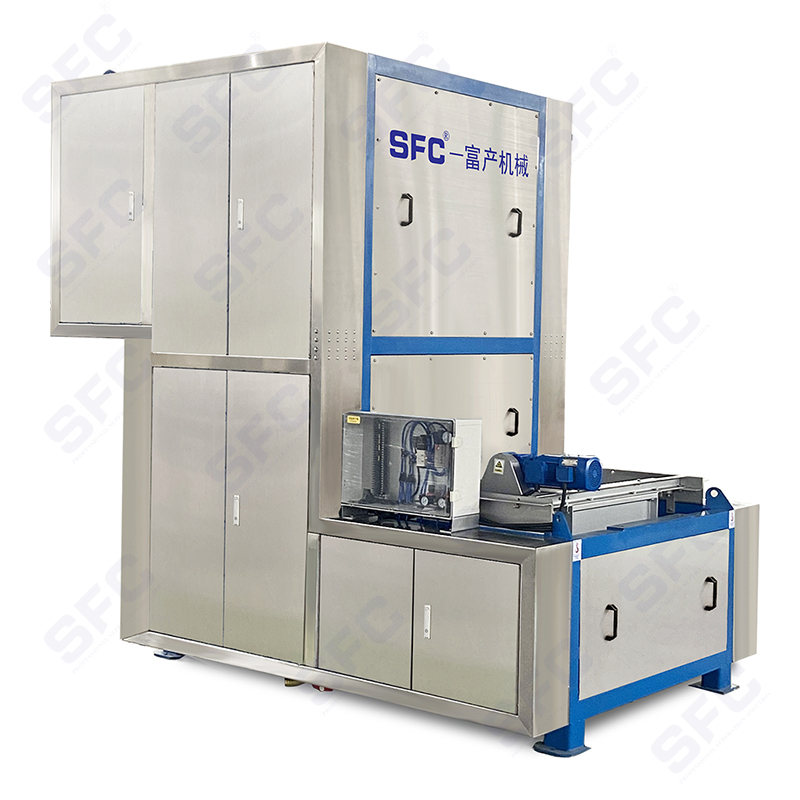 LSD-High pressure sludge deep dewatering system
-
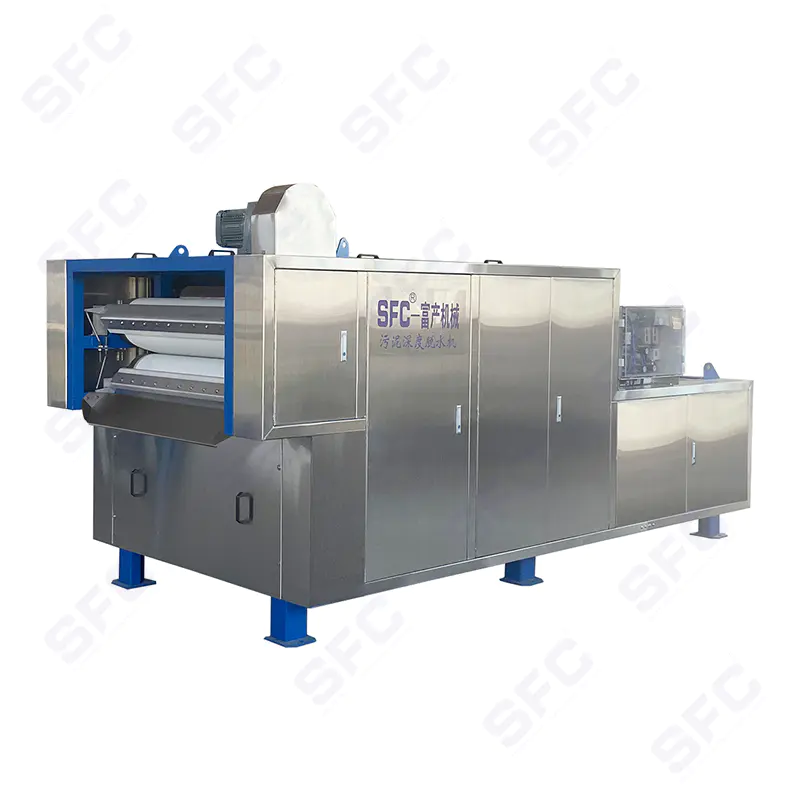 ZSD-High pressure sludge deep dewatering system
-
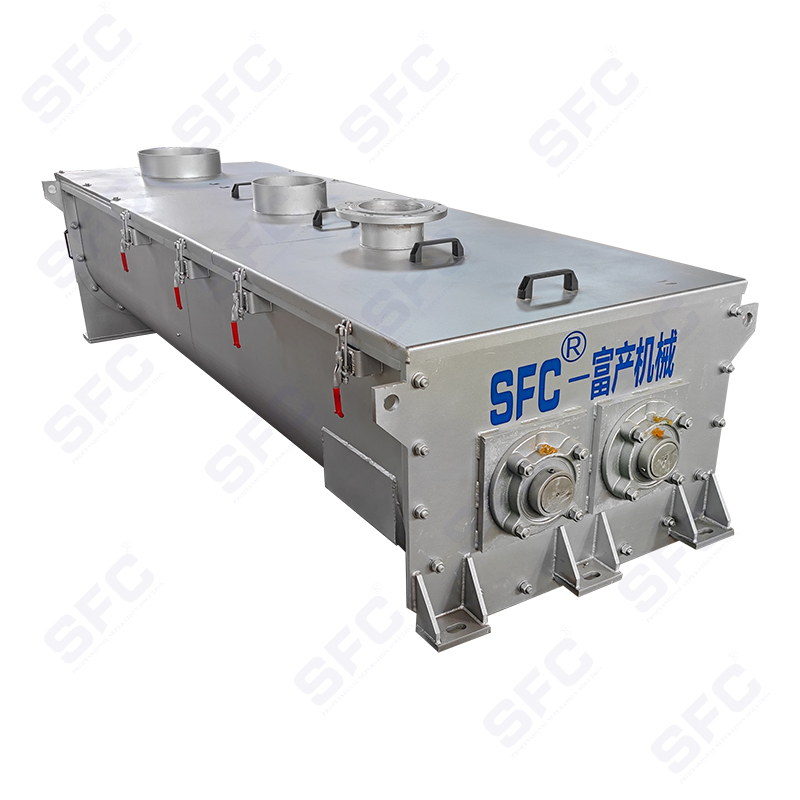 SFC-DM sludge mixer
How to Choose the Right Deep Sludge Dewatering Machine for Your Wastewater Treatment Needs?
A deep sludge dewatering machine is designed to reduce the water content of sludge generated during wastewater treatment processes. By separating solids from liquids more effectively than conventional equipment, it significantly lowers sludge volume, making transportation, disposal, or further treatment more economical. These machines are widely used in municipal wastewater plants, industrial effluent treatment systems, and specialized sectors such as food processing, chemical manufacturing, and metal finishing.
Unlike basic dewatering devices, deep sludge dewatering machines focus on achieving higher dry solid content through advanced mechanical pressure, optimized flocculation, and extended dewatering zones. Understanding their core function is the first step in choosing a model that aligns with your treatment objectives and regulatory requirements.
Analyzing Your Sludge Characteristics Before Selection
Sludge characteristics vary widely depending on the source of wastewater. Factors such as organic content, particle size, viscosity, and chemical composition directly influence dewatering performance. Selecting a deep sludge dewatering machine without fully understanding these properties often leads to inefficient operation or excessive operating costs.
Key Sludge Properties to Evaluate
- Moisture content and target dry solids percentage
- Organic versus inorganic composition
- Presence of oils, greases, or fibrous materials
- pH level and chemical stability
Accurate sludge analysis allows equipment suppliers to recommend appropriate machine configurations, pressure ranges, and auxiliary systems that maximize dewatering efficiency.
Matching Machine Capacity to Treatment Demand
Capacity planning is critical when choosing a deep sludge dewatering machine. Undersized equipment can create bottlenecks, while oversized machines lead to unnecessary capital and energy costs. Capacity should be evaluated not only based on current sludge volume but also future expansion plans.
Consider daily sludge production rates, peak loading scenarios, and operating hours. A well-matched machine maintains stable performance under varying flow conditions and supports long-term operational reliability.

Comparing Different Types of Deep Sludge Dewatering Machines
Deep sludge dewatering machines come in several designs, each with distinct advantages. Understanding these differences helps wastewater operators choose technology that fits both technical and budgetary constraints.
| Machine Type | Typical Applications | Key Advantages |
| Screw Press | Municipal and food industry | Low energy use, compact design |
| Belt Filter Press | Large-scale wastewater plants | High throughput, continuous operation |
| Plate and Frame Press | Industrial sludge with high solids | Very high dry solids content |
Evaluating Dewatering Efficiency and Performance Metrics
Dewatering efficiency determines how much moisture can be removed from sludge under normal operating conditions. Key performance indicators include cake dryness, filtrate clarity, and consistency of output. High-performance machines produce stable results even with fluctuating sludge composition.
When comparing options, request performance data from similar applications rather than relying solely on theoretical specifications. Real-world results provide a more reliable basis for decision-making.
Considering Energy Consumption and Operating Costs
Energy efficiency is a major factor in long-term operational cost control. Deep sludge dewatering machines operate continuously in many facilities, so power consumption, chemical usage, and maintenance requirements must be carefully evaluated.
Key Cost Factors to Compare
- Electricity consumption per ton of sludge
- Polymer and chemical dosing requirements
- Spare parts and wear component lifespan
- Labor and maintenance frequency
A machine with a higher initial price may offer lower total cost of ownership if it reduces energy use and sludge disposal expenses over time.
Assessing Installation Space and Integration Requirements
Available installation space often limits equipment selection, especially in existing wastewater treatment plants. Deep sludge dewatering machines vary in footprint, height, and auxiliary equipment requirements.
Ensure the chosen system integrates smoothly with upstream thickening units and downstream sludge handling processes. Proper layout planning minimizes retrofitting costs and operational disruptions.
Meeting Environmental and Regulatory Standards
Environmental compliance is a critical consideration when selecting a deep sludge dewatering machine. Local regulations may specify limits on sludge moisture content, filtrate quality, noise levels, and odor control.
Choosing equipment that meets or exceeds these standards helps avoid penalties and supports sustainable wastewater management practices.
Evaluating Supplier Support and After-Sales Service
Reliable supplier support is essential for long-term system performance. Beyond equipment delivery, look for providers offering commissioning assistance, operator training, and responsive technical support.
Strong after-sales service reduces downtime, ensures consistent dewatering results, and extends equipment lifespan, making it a key factor in the selection process.
Making a Balanced and Informed Decision
Choosing the right deep sludge dewatering machine requires balancing technical performance, operational costs, and site-specific constraints. By thoroughly analyzing sludge characteristics, capacity needs, efficiency metrics, and long-term expenses, wastewater treatment operators can select equipment that delivers reliable and cost-effective results.
A well-chosen dewatering system not only improves sludge management efficiency but also contributes to overall plant sustainability and regulatory compliance, making it a strategic investment for any wastewater treatment facility.
Related products recommendations
- Phone: +86-13816732007
- Tel: +86-021-50966266
- Email: [email protected]
- Address: Room 1201.1122 Xinjinqiao Rd, Pudong new district, Shanghai PRC China
Copyright © Shanghai Fuchan Machinery Technology Co., Ltd. All Rights Reserved.
 Manufacturers Of Sludge Treatment Equipment