


 English
 Español
Hot Products
-
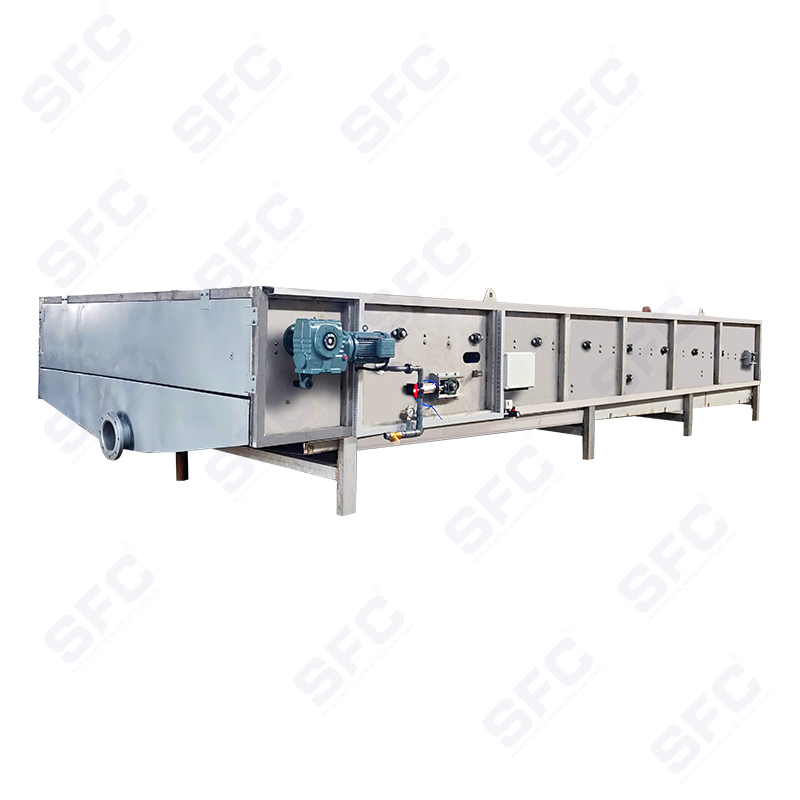 FBT series belt type sludge thickener
-
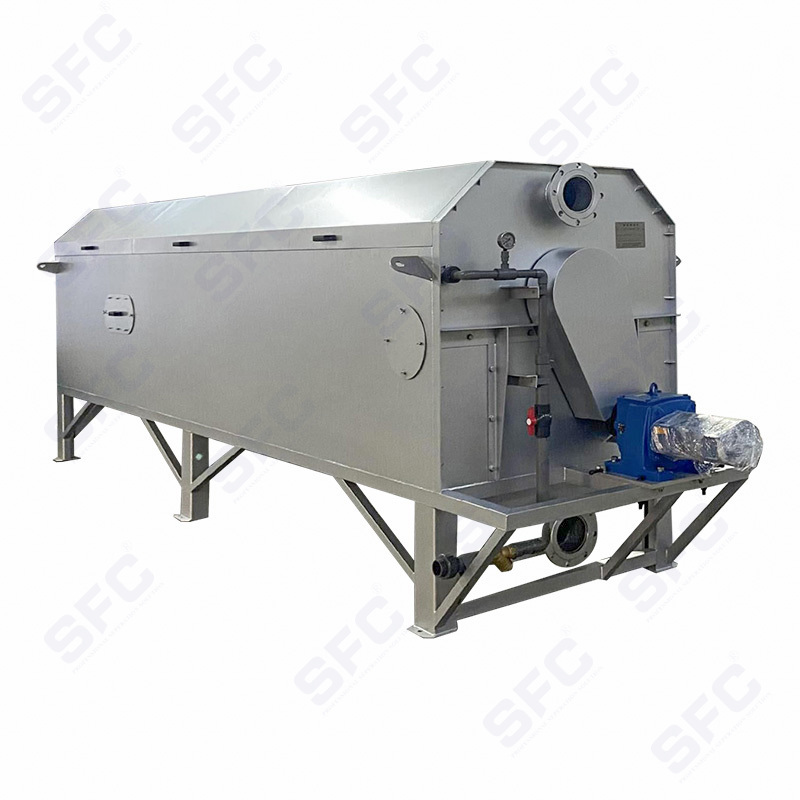 FRDT series rotary drum sludge thickener
-
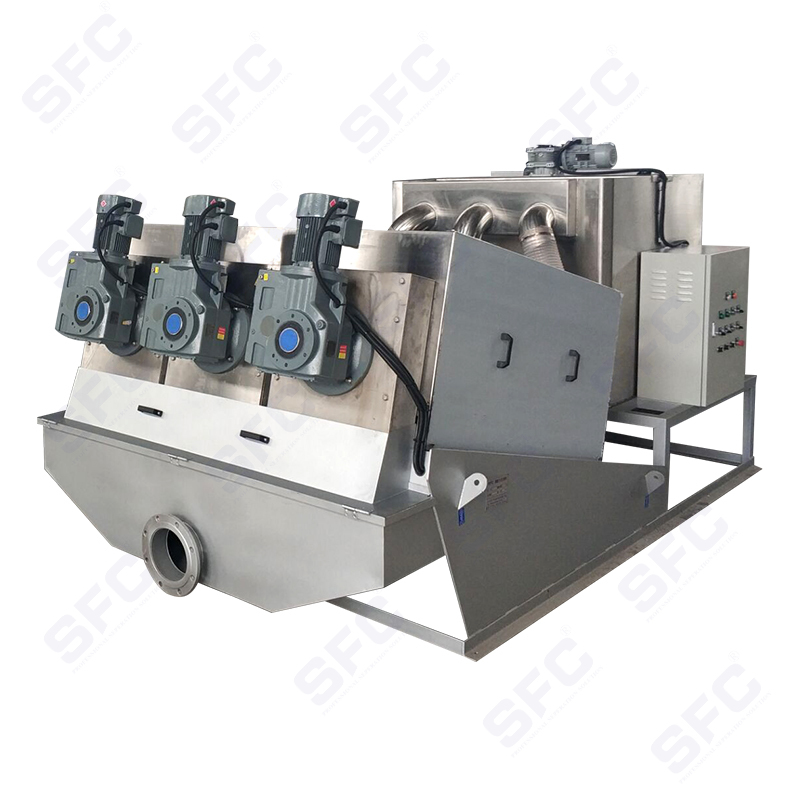 SST series screw type sludge thickener
-
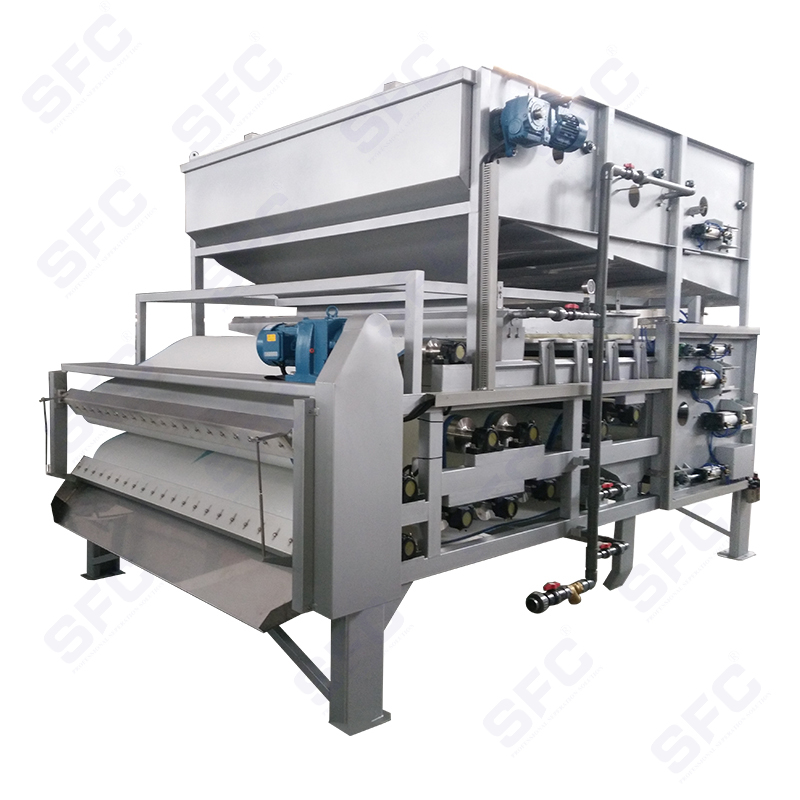 Belt type sludge thickening and dewatering machine
-
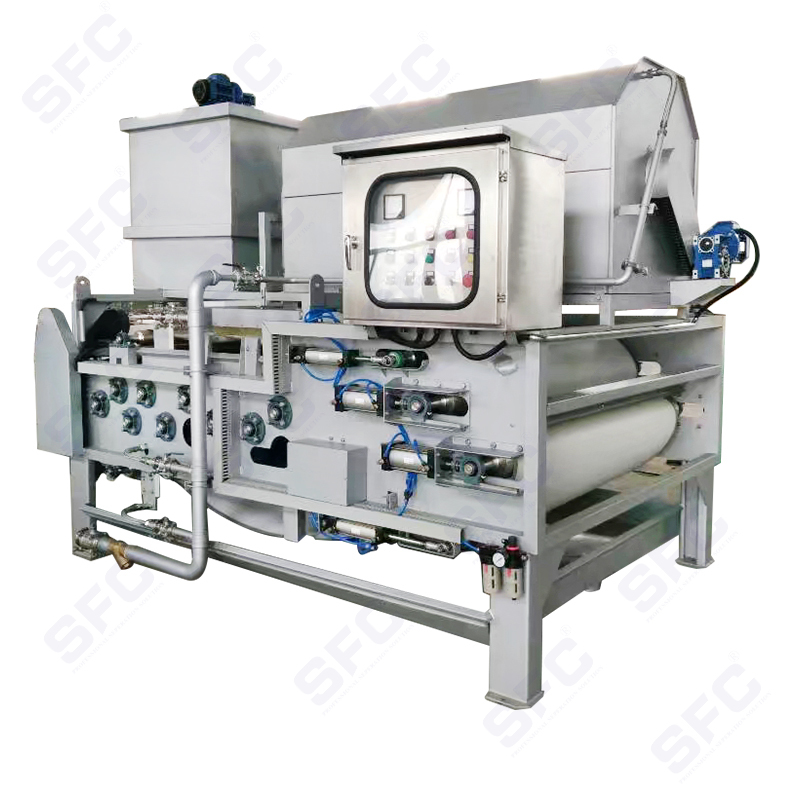 FTB series rotary drum sludge dewatering machine
-
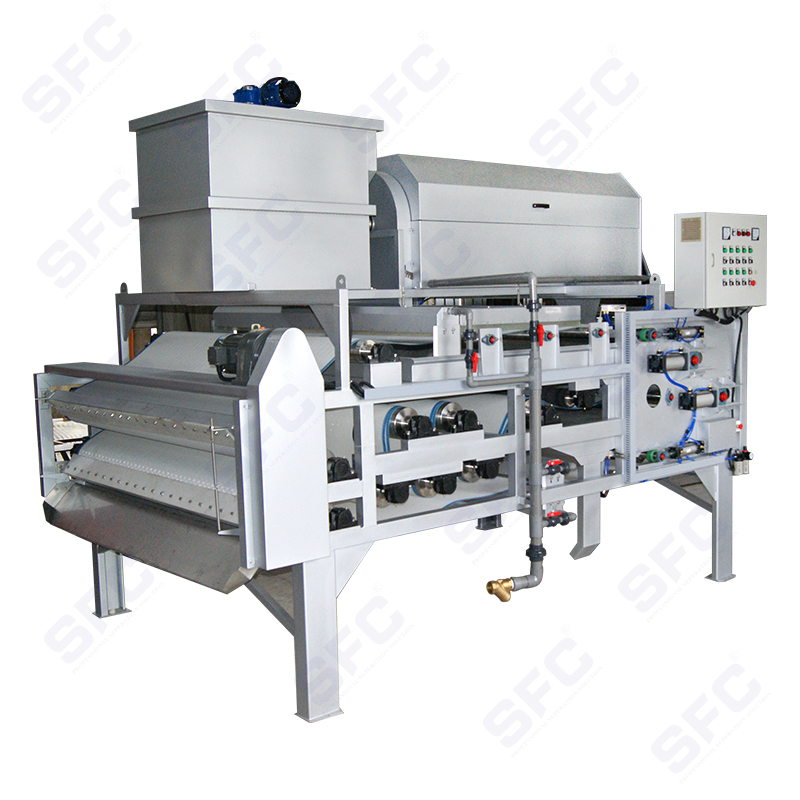 FTE series rotary drum sludge dewatering machine
-
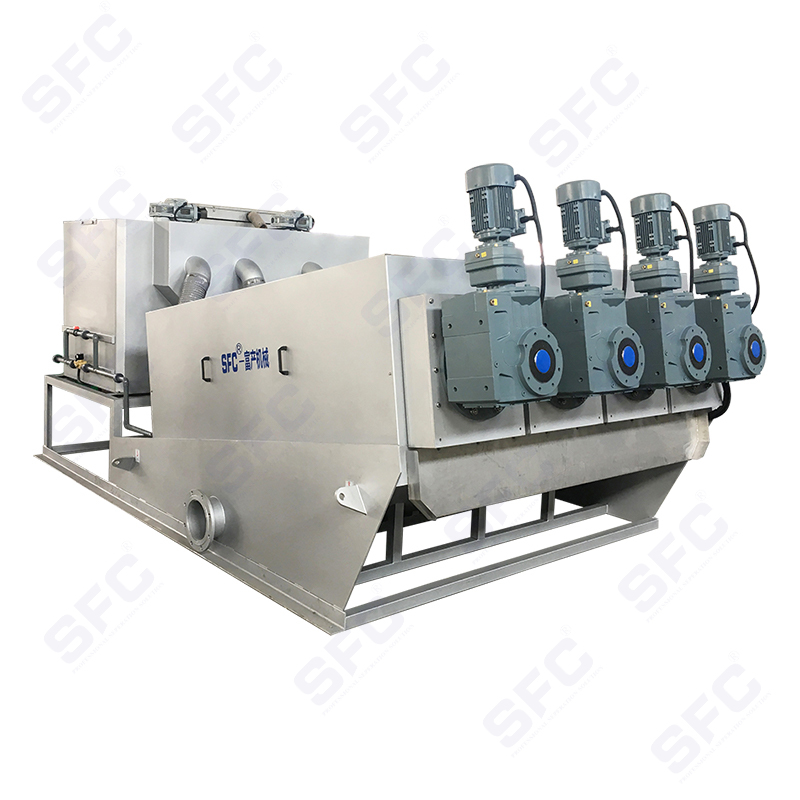 DL series screw sludge dehydrator/ screw type sludge dewatering machine
-
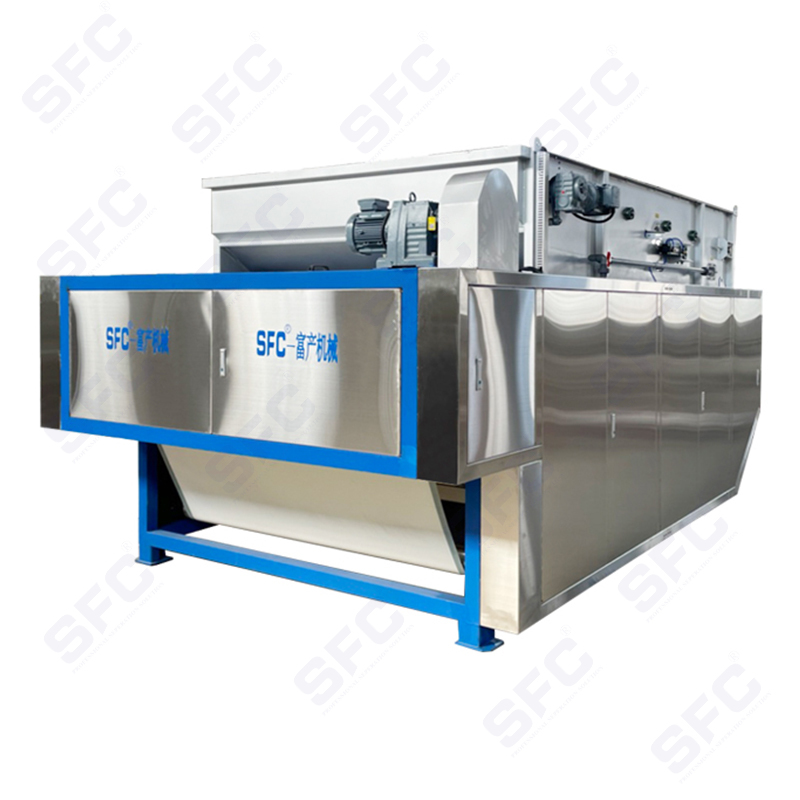 GDY series belt sludge concentration and dewatering machine
-
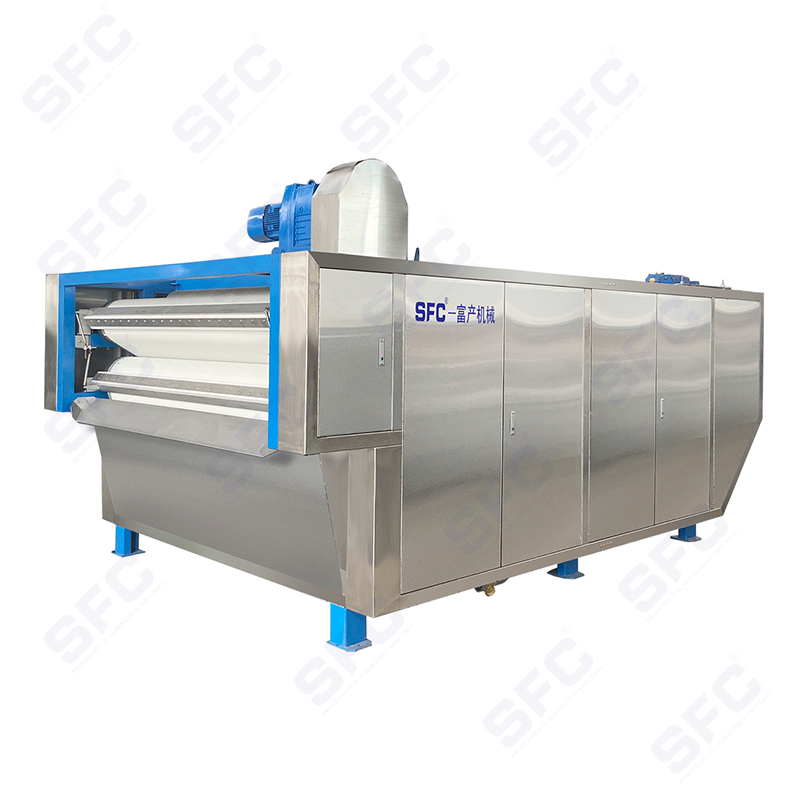 SD-High pressure sludge deep dewatering system
-
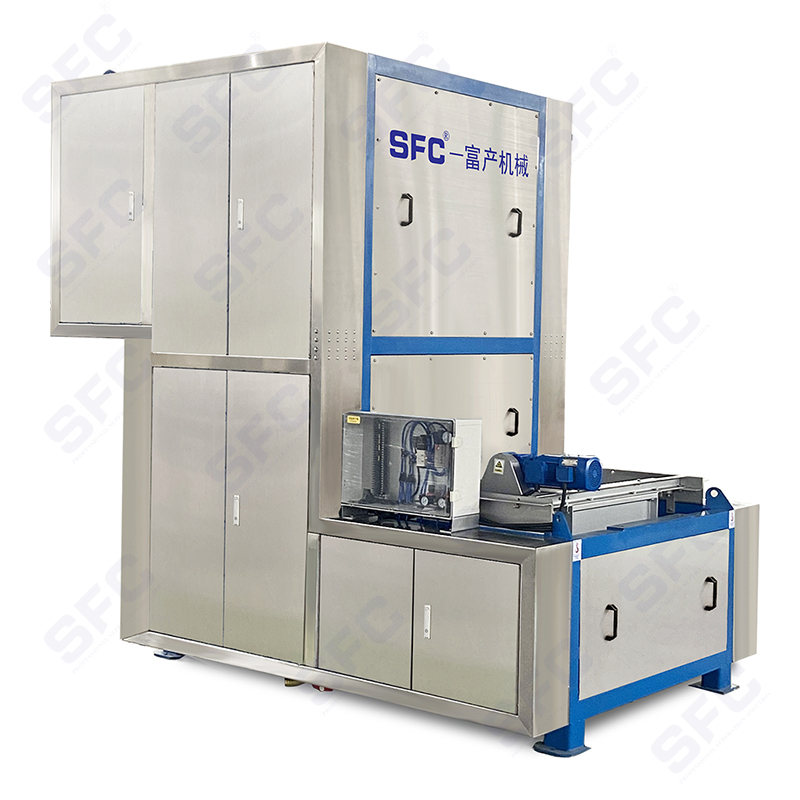 LSD-High pressure sludge deep dewatering system
-
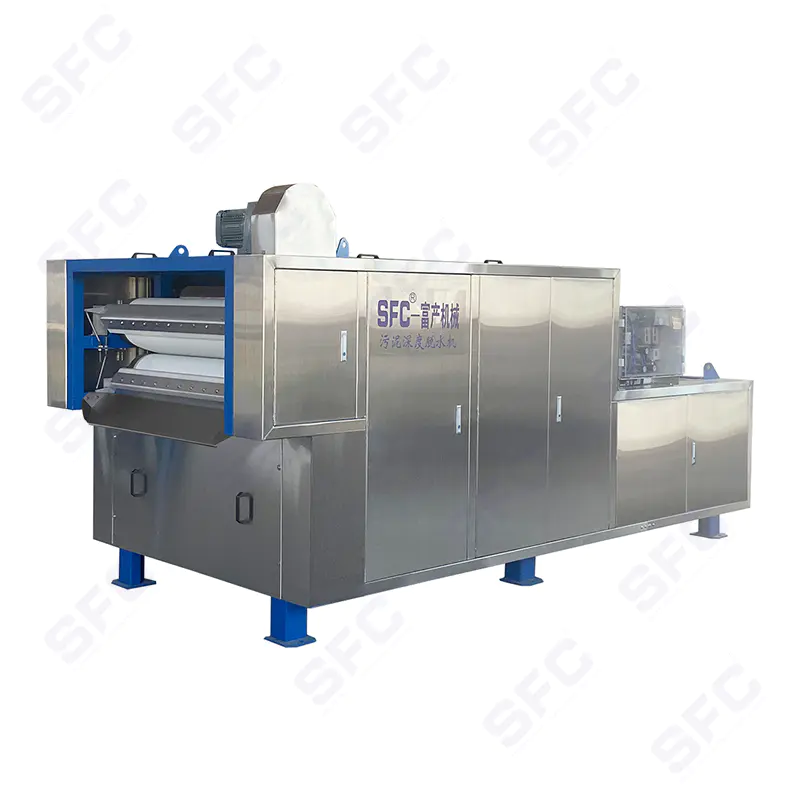 ZSD-High pressure sludge deep dewatering system
-
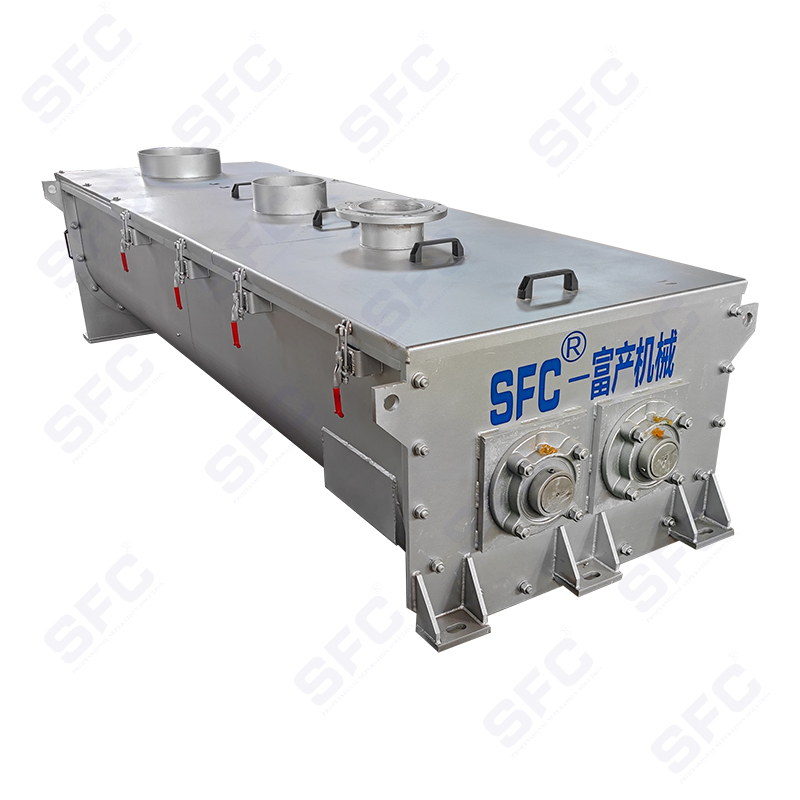 SFC-DM sludge mixer
Which Types of Sludge Deep Dewatering Equipment Are Most Effective for Industrial Applications?
Sludge deep dewatering equipment plays a critical role in modern industrial wastewater treatment. By efficiently removing water content from sludge, these machines reduce disposal costs, minimize environmental impact, and improve the overall efficiency of treatment plants. Understanding the different types of equipment and their applications is essential for industries dealing with large volumes of sludge.
Importance of Deep Dewatering in Industrial Applications
Industrial wastewater generates significant amounts of sludge, often containing hazardous materials. Deep dewatering helps in:
- Reducing sludge volume and transportation costs
- Minimizing landfill usage and environmental contamination
- Improving the efficiency of subsequent sludge treatment processes
- Recovering water for reuse in industrial processes
Types of Sludge Deep Dewatering Equipment
Belt Filter Press
Belt filter presses are widely used for industrial sludge dewatering. They use a combination of gravity and mechanical pressure to squeeze water from sludge. Key advantages include:
- High throughput capacity suitable for large industrial facilities
- Consistent dewatering performance
- Relatively low energy consumption compared to centrifuges
Centrifugal Dewatering Machines
Centrifugal sludge dewatering uses high-speed spinning to separate water from solids. This method is highly effective for sludges with variable characteristics. Benefits include:
- Fast processing and compact footprint
- Ability to handle thick and sticky sludge
- High dewatering efficiency, producing drier sludge cakes
Screw Press Dewatering
Screw presses use a rotating screw to compress sludge gradually, extracting water. They are ideal for industries requiring continuous operation. Key features include:
- Simple design with low maintenance requirements
- Energy-efficient operation
- Suitable for medium to high solids content sludge

Vacuum Drum Filters
Vacuum drum filters are used for sludge with a high water content. They operate by creating a vacuum to draw water through a filter medium. Advantages include:
- Efficient for fine and chemically treated sludge
- Continuous operation with automatic discharge
- Can integrate with chemical dosing systems for improved performance
Factors to Consider When Choosing Dewatering Equipment
Selecting the right sludge deep dewatering equipment depends on several factors:
- Sludge type and characteristics, including solids concentration and viscosity
- Required dryness of the final sludge cake
- Processing capacity and throughput requirements
- Energy consumption and operating costs
- Space availability and installation constraints
- Maintenance requirements and availability of spare parts
Comparison of Sludge Dewatering Methods
| Belt Filter Press | Moderate dryness, high throughput, low energy consumption |
| Centrifuge | High dryness, medium throughput, higher energy use |
| Screw Press | Good dryness, continuous operation, energy-efficient |
| Vacuum Drum Filter | Effective for fine sludge, moderate throughput, integrates with chemicals |
Maintenance and Operational Considerations
Proper maintenance and operation are crucial for achieving optimal performance. Key considerations include:
- Regular inspection of mechanical parts and belts
- Cleaning of filter media to prevent clogging
- Monitoring sludge characteristics to adjust operational parameters
- Ensuring proper lubrication and alignment of moving components
Conclusion
Choosing the most effective sludge deep dewatering equipment requires careful evaluation of sludge characteristics, processing requirements, and operational constraints. By selecting the right type, industrial facilities can significantly reduce waste volume, lower operational costs, and contribute to environmental sustainability. Belt filter presses, centrifuges, screw presses, and vacuum drum filters each have distinct advantages, making it possible to match equipment to specific industrial needs.
Related products recommendations
- Phone: +86-13816732007
- Tel: +86-021-50966266
- Email: [email protected]
- Address: Room 1201.1122 Xinjinqiao Rd, Pudong new district, Shanghai PRC China
Copyright © Shanghai Fuchan Machinery Technology Co., Ltd. All Rights Reserved.
 Manufacturers Of Sludge Treatment Equipment