


 English
 Español
Hot Products
-
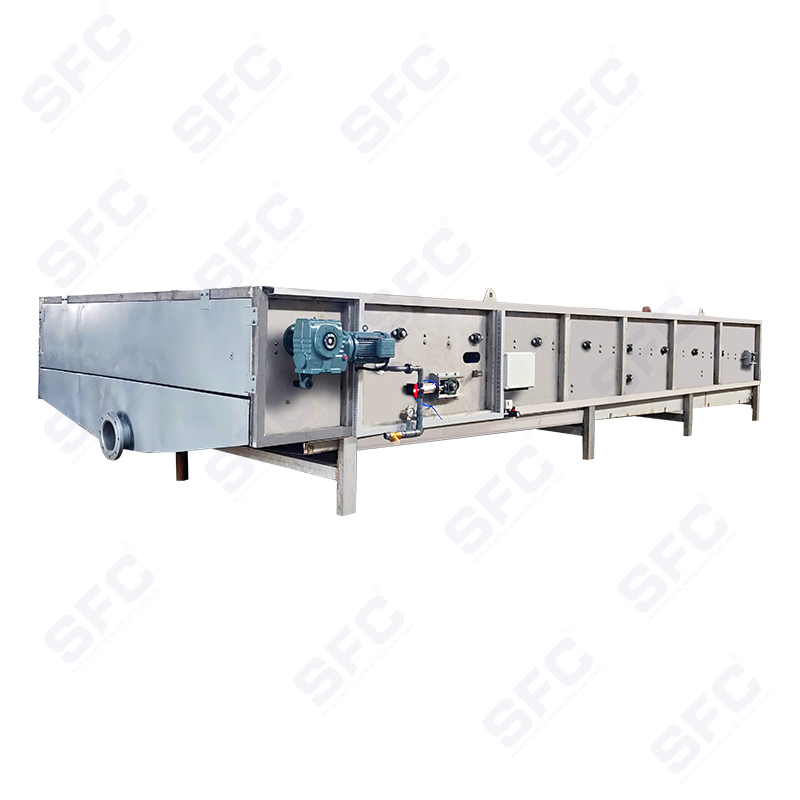 FBT series belt type sludge thickener
-
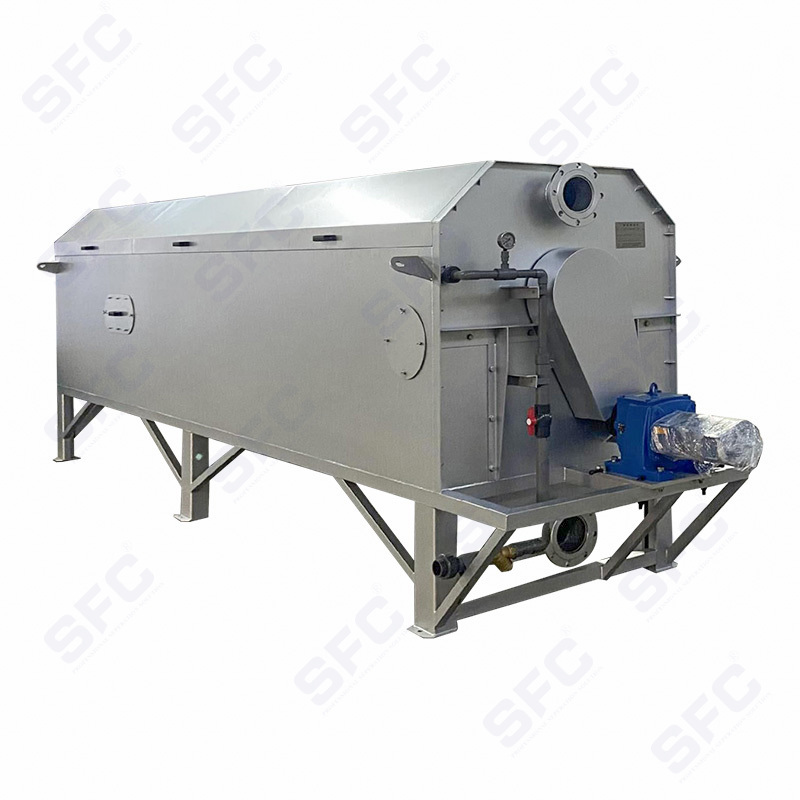 FRDT series rotary drum sludge thickener
-
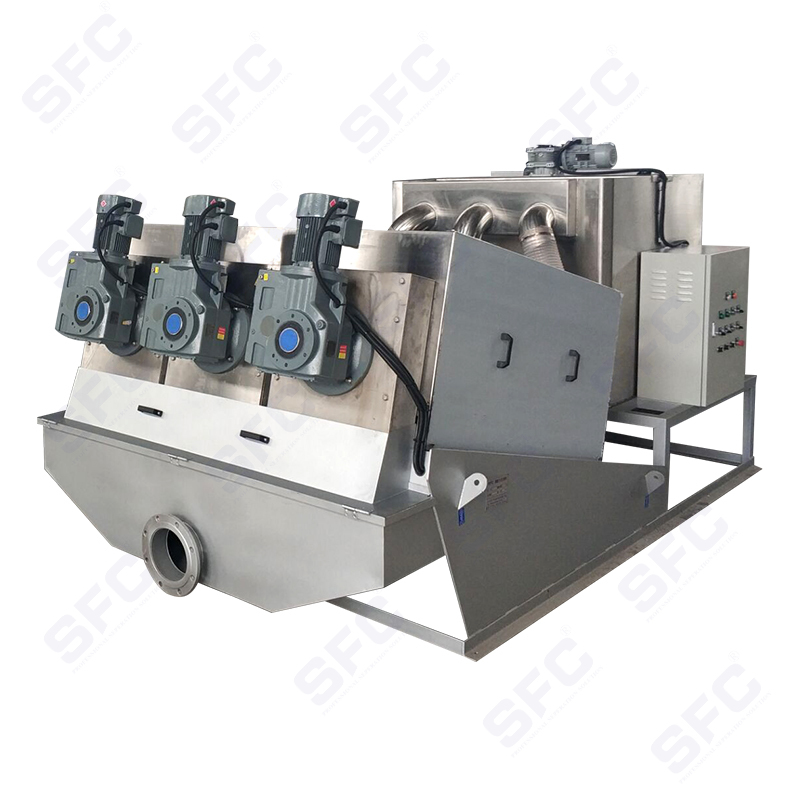 SST series screw type sludge thickener
-
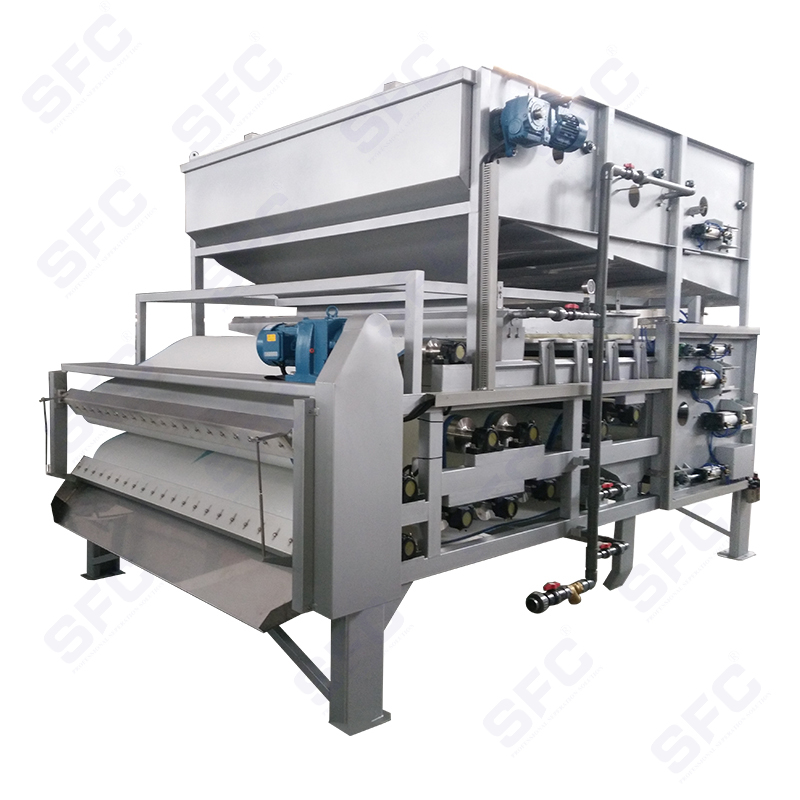 Belt type sludge thickening and dewatering machine
-
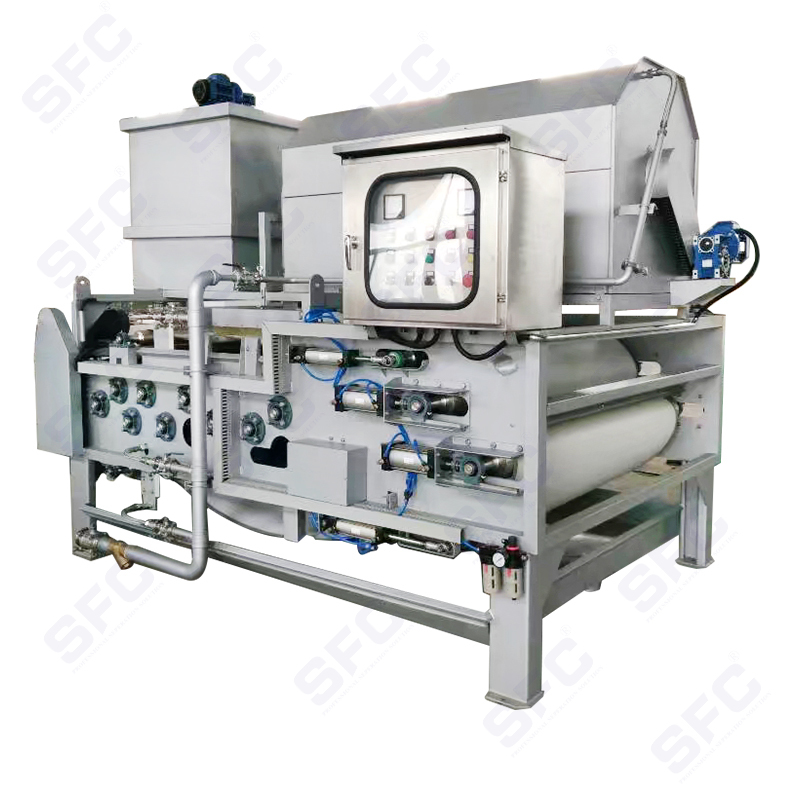 FTB series rotary drum sludge dewatering machine
-
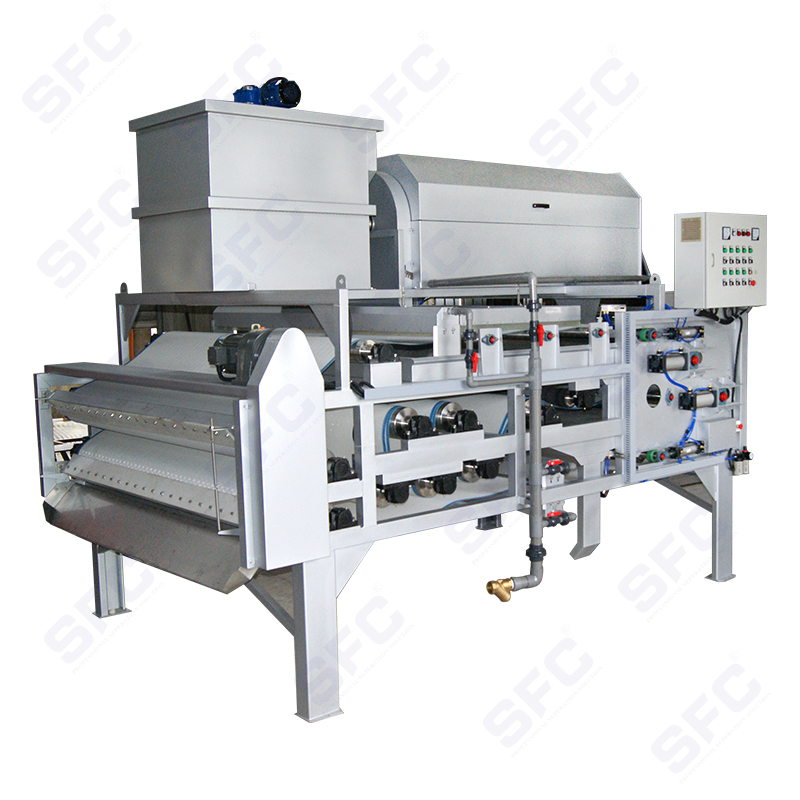 FTE series rotary drum sludge dewatering machine
-
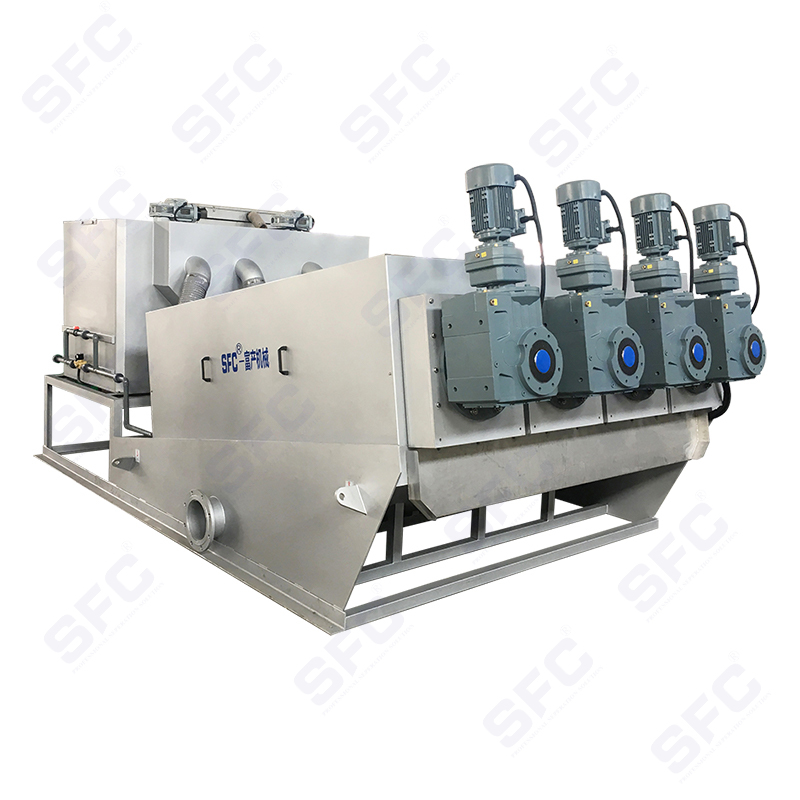 DL series screw sludge dehydrator/ screw type sludge dewatering machine
-
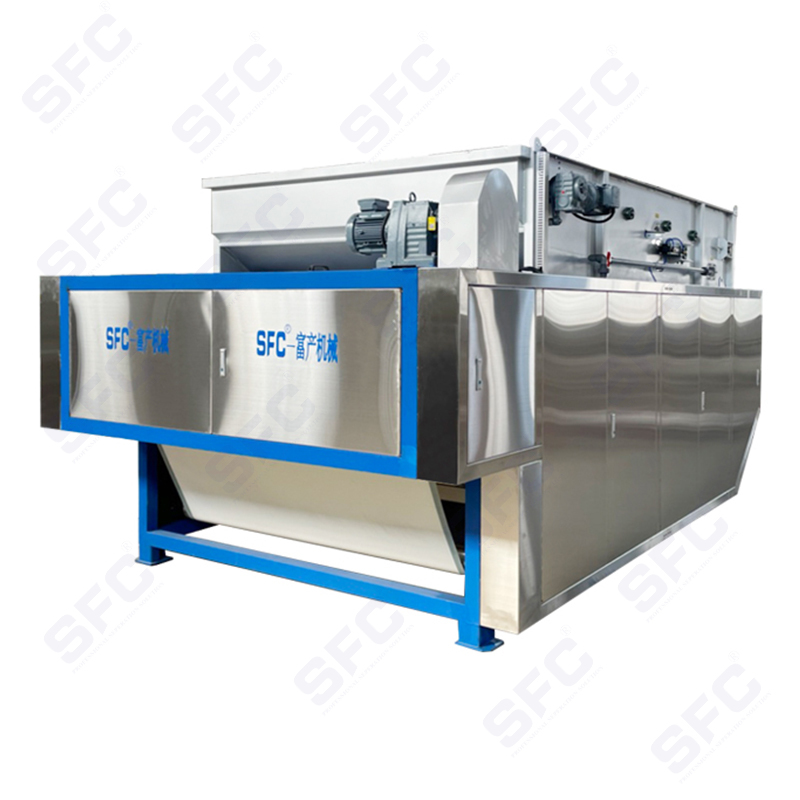 GDY series belt sludge concentration and dewatering machine
-
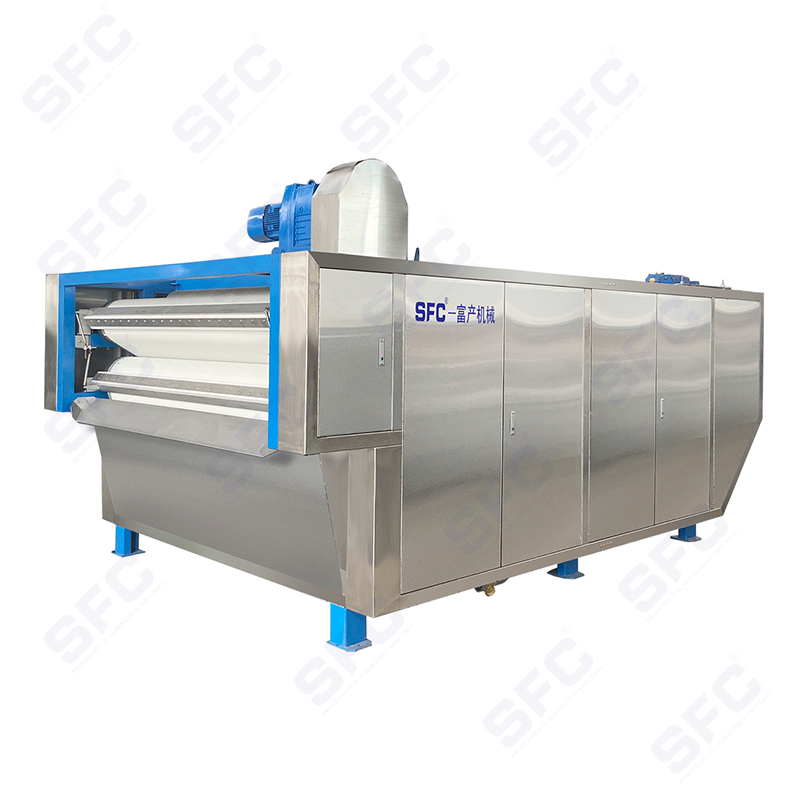 SD-High pressure sludge deep dewatering system
-
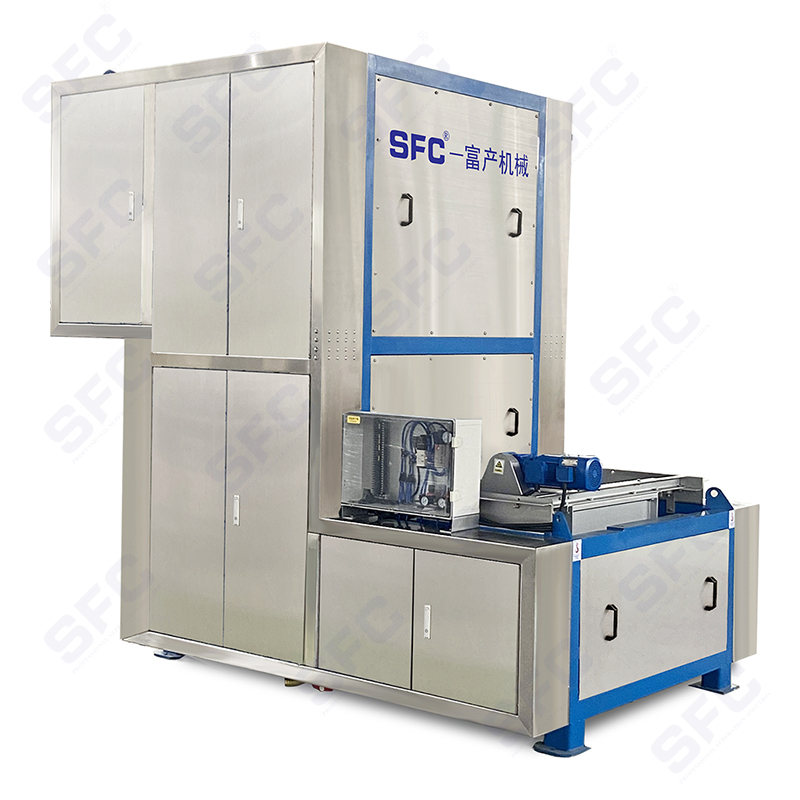 LSD-High pressure sludge deep dewatering system
-
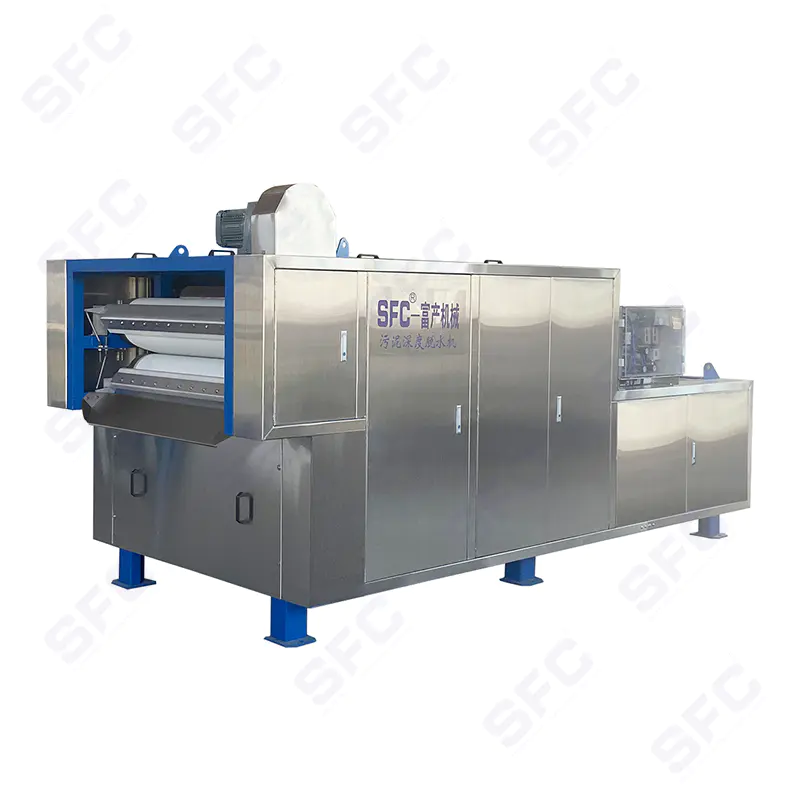 ZSD-High pressure sludge deep dewatering system
-
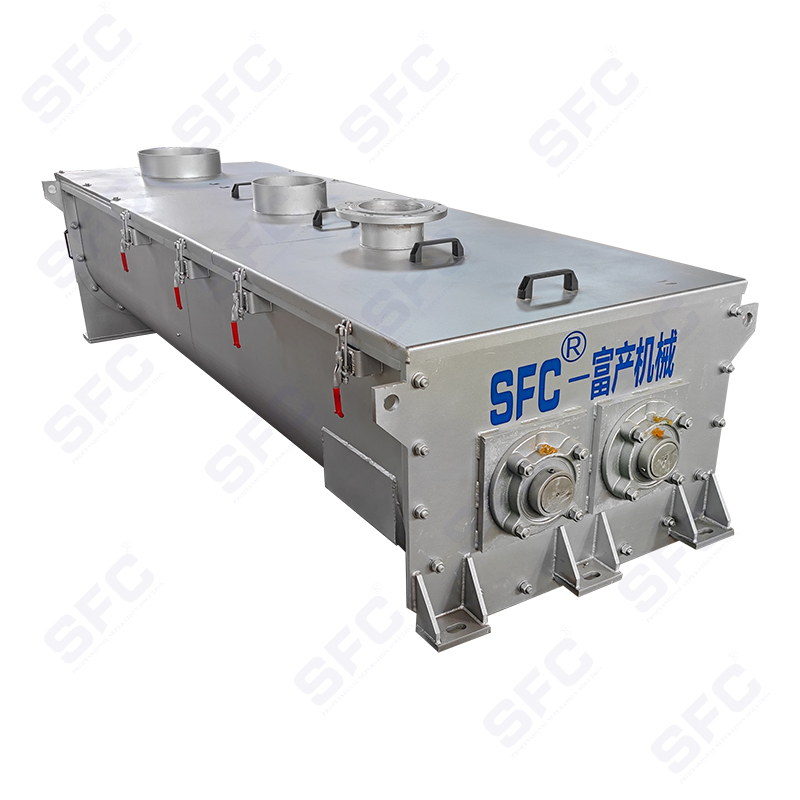 SFC-DM sludge mixer
What technologies are used in modern sludge deep dewatering equipment to improve efficiency?
Introduction to Sludge Deep Dewatering Equipment
Sludge deep dewatering equipment is essential in modern wastewater treatment, helping reduce the water content of sludge to manageable levels. This process minimizes disposal costs, reduces environmental impact, and enhances the overall efficiency of wastewater facilities. Advanced technologies have revolutionized sludge dewatering, enabling faster processing, higher solids concentration, and lower energy consumption.
Key Technologies in Sludge Deep Dewatering
Several cutting-edge technologies are employed in modern sludge deep dewatering equipment to optimize performance and efficiency. These technologies focus on mechanical, chemical, and thermal methods to extract water from sludge.
Centrifugal Separation Technology
Centrifugal separators use high-speed rotation to generate a centrifugal force that separates water from sludge solids. This method is highly efficient for thickening sludge with high moisture content. Centrifuges can achieve high dryness levels, sometimes exceeding 25%-30%, depending on sludge type and conditioning. Modern centrifuges feature automated controls, vibration monitoring, and energy-saving designs.

Belt Filter Presses
Belt filter presses squeeze water from sludge using a combination of gravity drainage and mechanical pressure. This technology is widely used due to its relatively low energy consumption and ease of operation. Key advancements include improved polymer conditioning systems that enhance sludge flocculation, reinforced belts for longer lifespan, and variable pressure rollers for better dewatering efficiency.
Screw Press Technology
Screw presses operate by slowly compressing sludge along a screw conveyor. As the sludge moves forward, water is expelled through the perforated screen. This technology is ideal for small to medium-scale facilities and offers low energy usage, minimal maintenance, and continuous operation. Innovations include adjustable screw pitch, automated cleaning systems, and enhanced wear-resistant materials to increase operational efficiency.
Vacuum Filter Technology
Vacuum belt and drum filters utilize negative pressure to draw water through a filter medium while retaining solids. These systems are effective for producing high dryness sludge and are often combined with chemical conditioning. Modern vacuum filters incorporate energy-efficient vacuum pumps, optimized filter cloths for faster filtration, and automated wash systems for uninterrupted performance.
Thermal Drying Technologies
Thermal drying involves heating sludge to evaporate water, often after mechanical dewatering. This method significantly reduces sludge volume, making it easier for disposal or further utilization as fuel or fertilizer. Advanced thermal dryers employ energy recovery systems, low-temperature drying to preserve organic content, and continuous feeding mechanisms for consistent output.
Chemical Conditioning in Dewatering
Chemical conditioning enhances sludge dewatering efficiency by improving particle aggregation and water release. Polymers, coagulants, and flocculants are commonly used to strengthen sludge structure and increase filtration rates.
Polymers
Polymers are long-chain molecules that bind fine sludge particles into larger flocs. This improves settling and water release during mechanical dewatering. Modern polymers are optimized for specific sludge types, providing high dewatering efficiency at minimal dosage.
Coagulants and Flocculants
Coagulants neutralize sludge particle charges, while flocculants promote the formation of dense aggregates. Using a combination of both chemicals ensures improved water separation, higher sludge dryness, and reduced equipment wear. Advanced dosing systems allow precise control for optimal chemical consumption.
Automation and Intelligent Control
Modern sludge deep dewatering equipment incorporates automation and intelligent control systems. Sensors monitor sludge consistency, moisture content, and equipment performance in real-time, allowing operators to adjust parameters dynamically for maximum efficiency. Predictive maintenance tools reduce downtime, and data analytics help optimize overall treatment processes.
Energy Efficiency and Environmental Considerations
Energy consumption is a significant factor in dewatering operations. Advanced equipment integrates energy-saving motors, variable frequency drives, and optimized process flows. Additionally, odor control, sludge conditioning, and water recycling systems minimize environmental impact. These innovations contribute to sustainable wastewater management practices.
Case Studies of High-Efficiency Dewatering
Numerous wastewater treatment plants have successfully implemented modern technologies to improve sludge dewatering:
- Integration of centrifuges with automated polymer dosing, resulting in 20% higher sludge dryness and reduced energy costs.
- Deployment of screw presses with real-time monitoring to optimize throughput and reduce maintenance downtime.
- Use of vacuum belt filters with enhanced cloths achieving consistent dryness above 25%, suitable for thermal drying.
Conclusion
Modern sludge deep dewatering equipment leverages a combination of mechanical, chemical, and thermal technologies to maximize efficiency and minimize operational costs. Automation, intelligent control systems, and environmentally conscious designs further enhance performance. Selecting the appropriate technology depends on sludge characteristics, facility size, and desired dryness levels, but the continuous advancements ensure that wastewater treatment is becoming more effective and sustainable.
Related products recommendations
- Phone: +86-13816732007
- Tel: +86-021-50966266
- Email: [email protected]
- Address: Room 1201.1122 Xinjinqiao Rd, Pudong new district, Shanghai PRC China
Copyright © Shanghai Fuchan Machinery Technology Co., Ltd. All Rights Reserved.
 Manufacturers Of Sludge Treatment Equipment