


 English
 Español
Hot Products
-
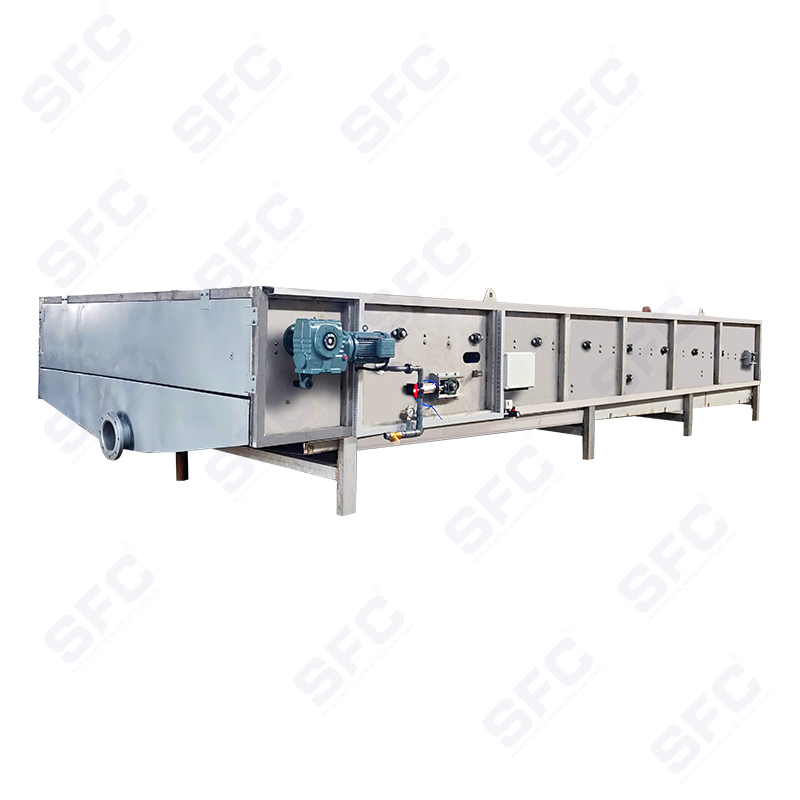 FBT series belt type sludge thickener
-
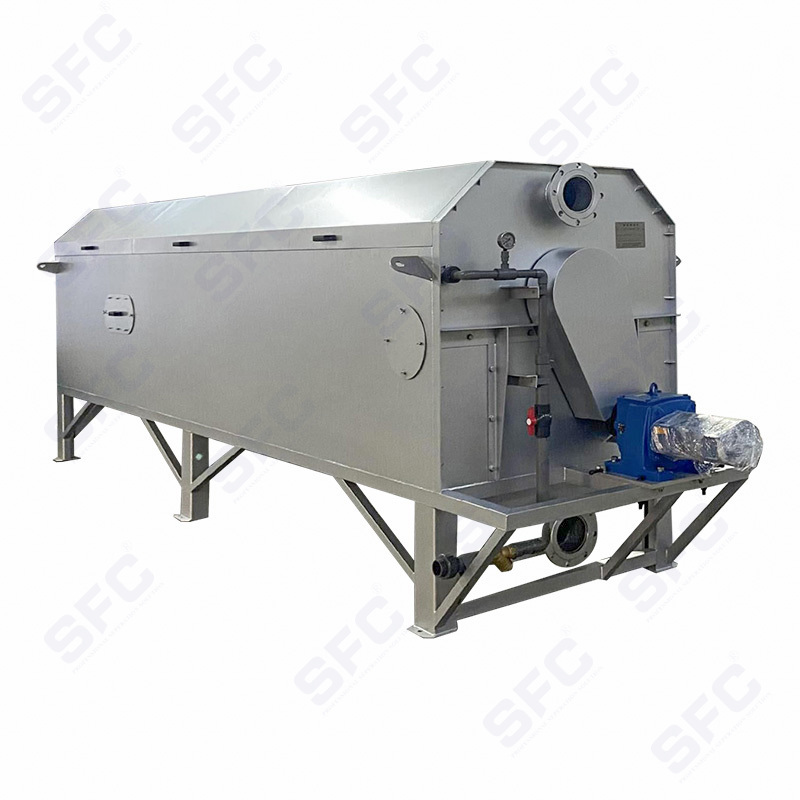 FRDT series rotary drum sludge thickener
-
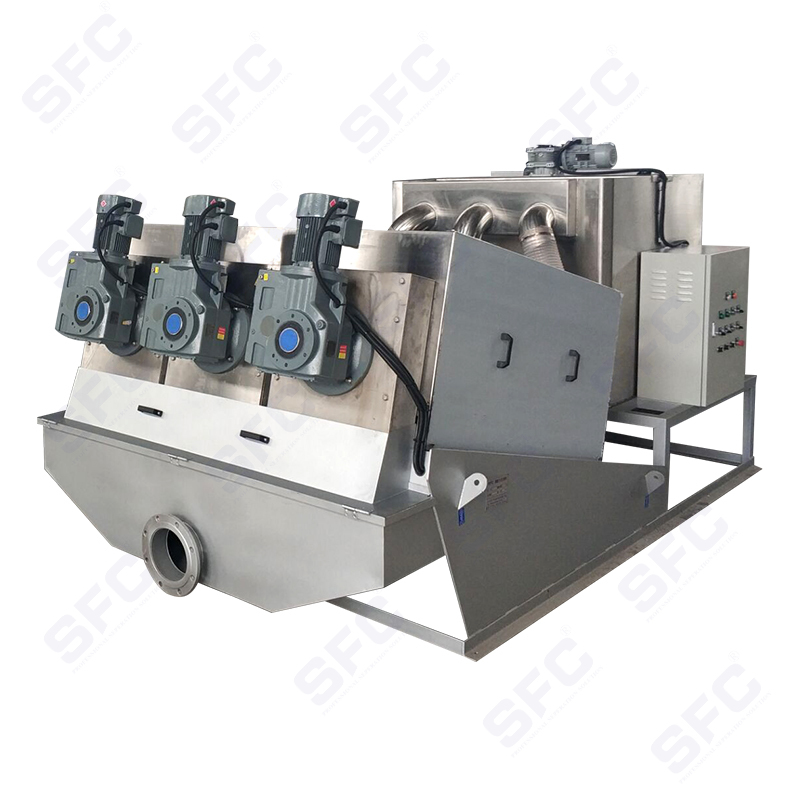 SST series screw type sludge thickener
-
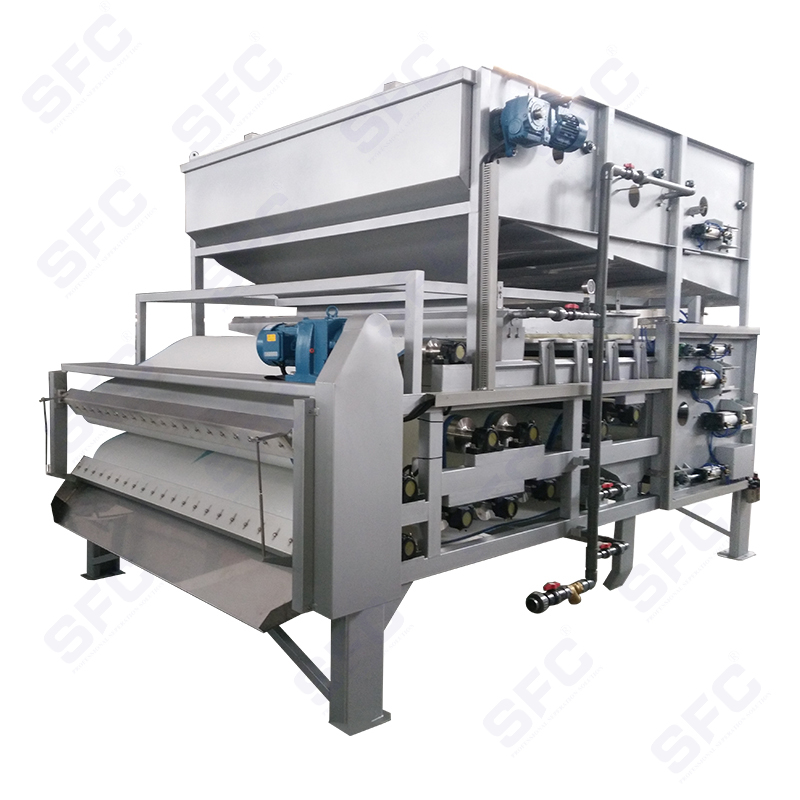 Belt type sludge thickening and dewatering machine
-
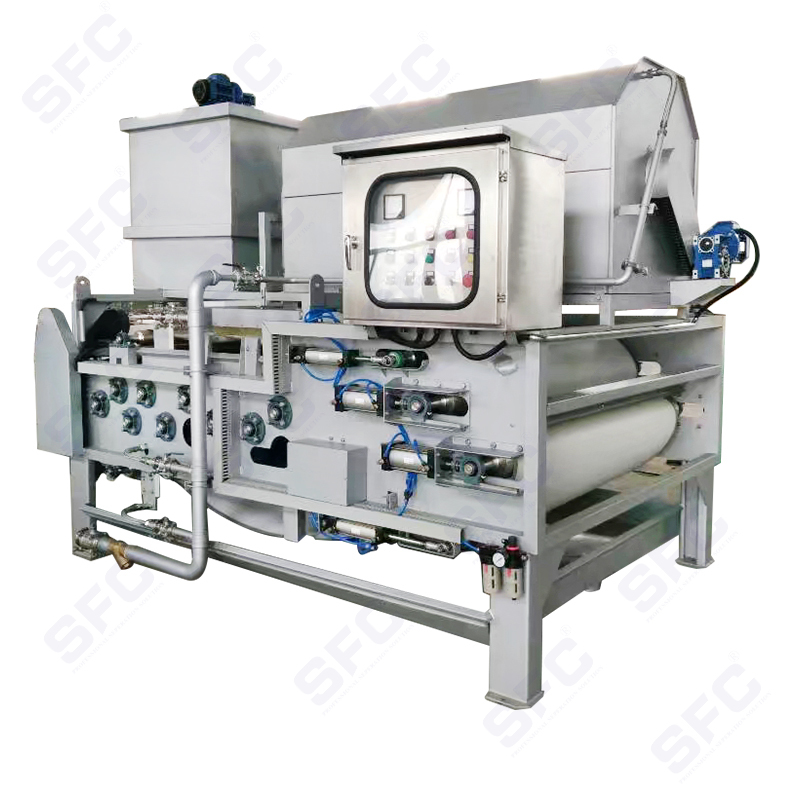 FTB series rotary drum sludge dewatering machine
-
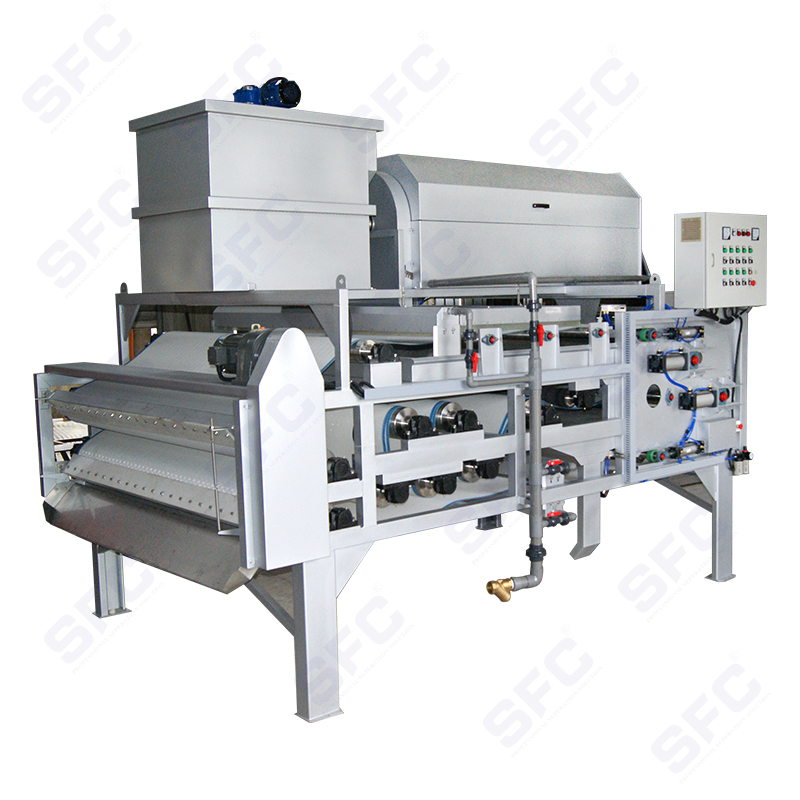 FTE series rotary drum sludge dewatering machine
-
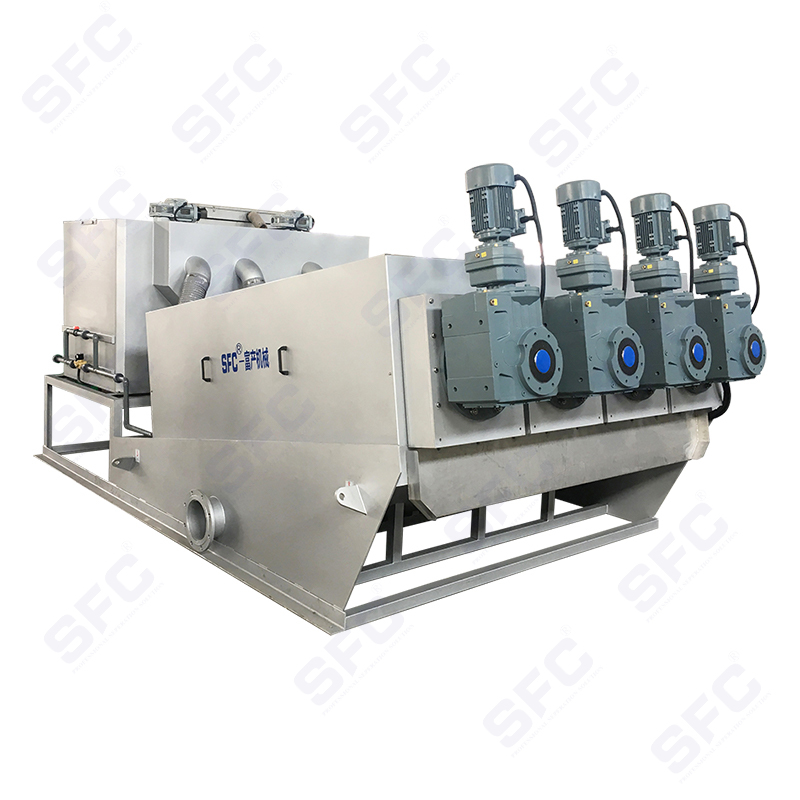 DL series screw sludge dehydrator/ screw type sludge dewatering machine
-
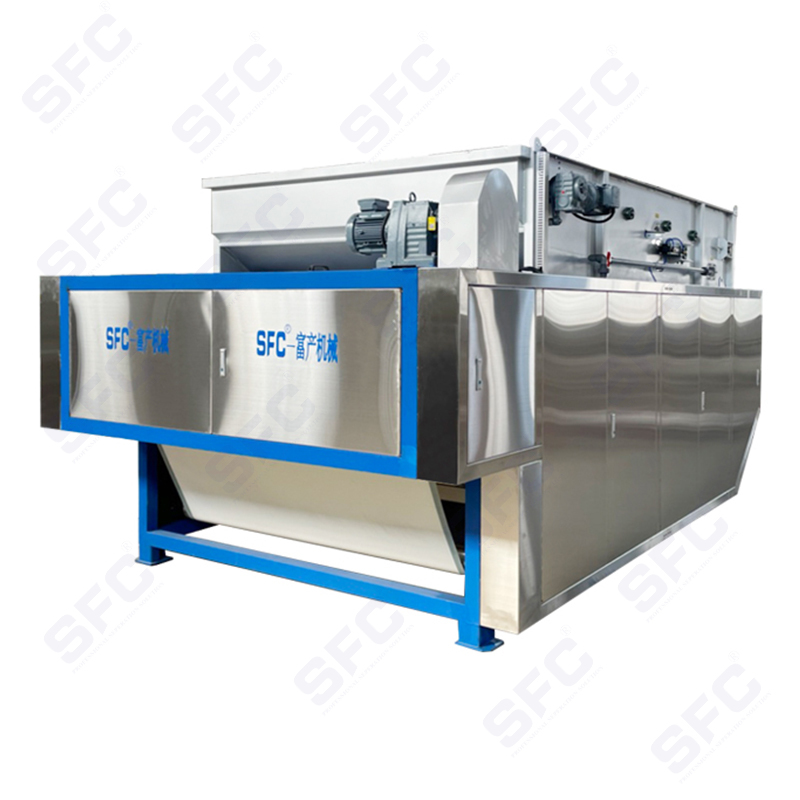 GDY series belt sludge concentration and dewatering machine
-
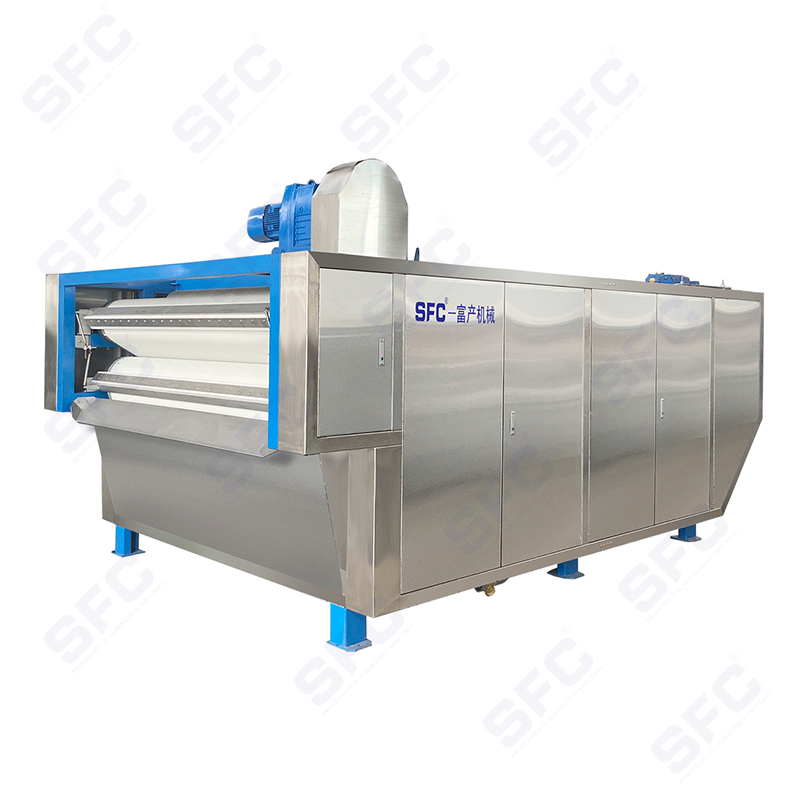 SD-High pressure sludge deep dewatering system
-
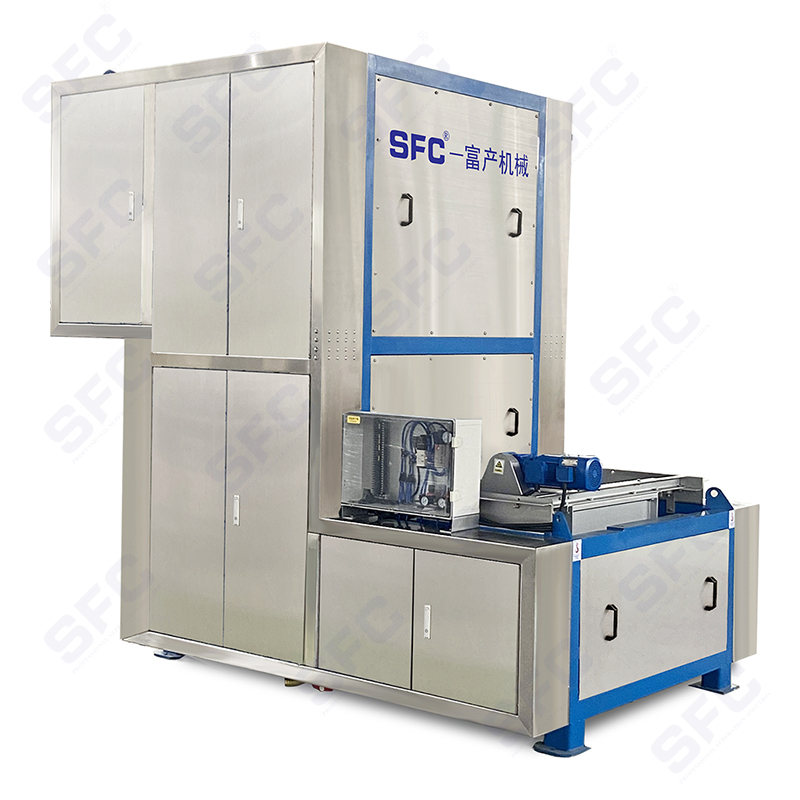 LSD-High pressure sludge deep dewatering system
-
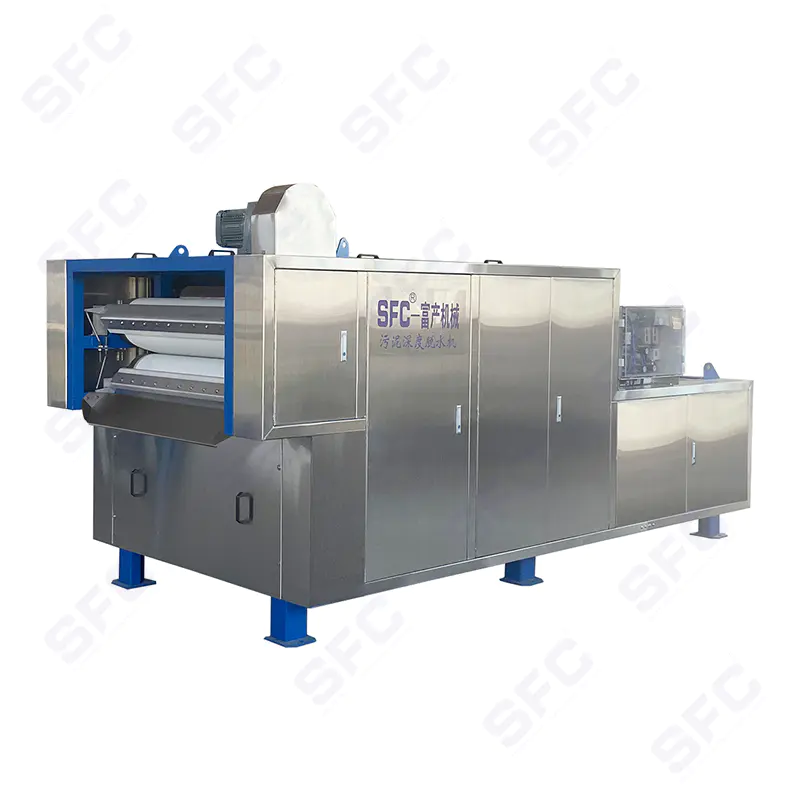 ZSD-High pressure sludge deep dewatering system
-
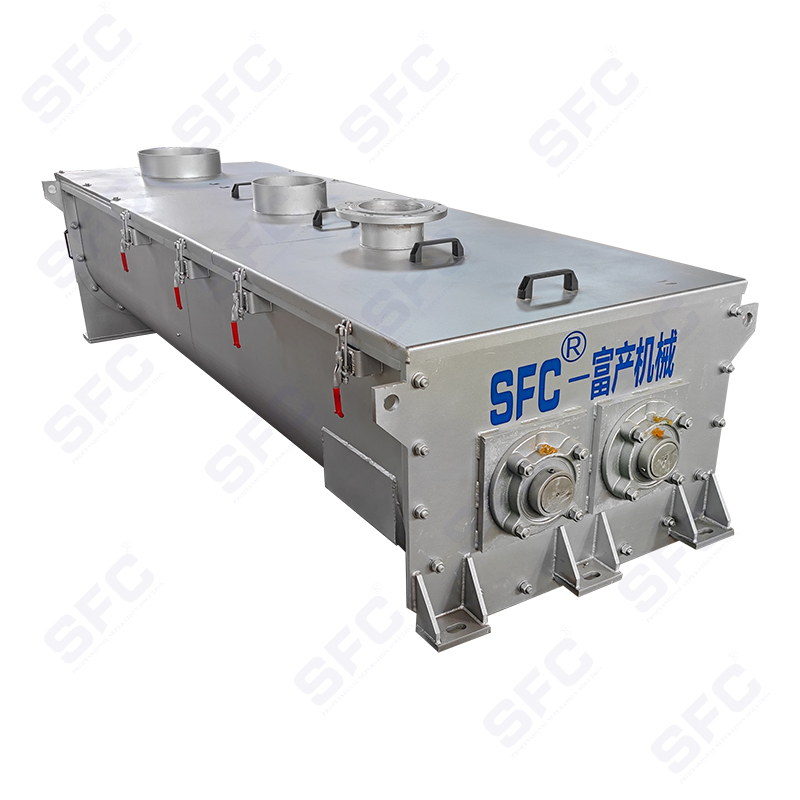 SFC-DM sludge mixer
Rotary Drum Sludge Thickener: Complete Guide & Applications
What is a Rotary Drum Sludge Thickener
A rotary drum sludge thickener is a mechanical dewatering device designed to increase the solids concentration of wastewater sludge through gravity drainage and filtration. This cylindrical equipment rotates slowly while sludge is introduced into one end, allowing liquid to drain through a porous medium while thickened sludge is discharged from the opposite end. The system operates continuously, making it an efficient solution for municipal and industrial wastewater treatment facilities seeking to reduce sludge volume before further processing or disposal.
The basic principle behind rotary drum thickeners involves creating a pressure differential that forces liquid through a filter medium while retaining solids. As the drum rotates, the sludge layer builds up on the interior or exterior surface depending on the design configuration. Gravity assists in the drainage process, while the mechanical action of rotation helps to distribute the sludge evenly and prevents clogging. This combination of physical forces results in a product with significantly higher solids content compared to the feed material, typically increasing dry solids concentration from one to four percent up to four to eight percent or higher.
Design Components and Operating Mechanisms
Drum Structure and Filter Media
The drum itself is constructed from corrosion-resistant materials such as stainless steel or specially coated carbon steel to withstand the aggressive chemical environment of wastewater sludge. The cylindrical shell features perforations or slots covered with filter media that can range from woven mesh screens to synthetic fabrics or metal wedge wire. The choice of filter media depends on the specific characteristics of the sludge being processed, including particle size distribution, chemical composition, and desired final solids concentration. Modern rotary drum thickeners often incorporate multiple layers of filter media to optimize both drainage efficiency and solids retention.
The drum diameter typically ranges from one to four meters, while lengths can extend from two to six meters depending on capacity requirements. Larger drums provide greater surface area for filtration but require more robust support structures and drive mechanisms. The rotation speed is carefully controlled, usually between two to six rotations per minute, to balance throughput with dewatering efficiency. Too rapid rotation can cause excessive turbulence and reduced separation, while too slow rotation may lead to uneven sludge distribution and reduced capacity.

Polymer Conditioning Systems
Most rotary drum thickeners incorporate polymer addition systems to enhance flocculation and improve dewatering performance. Polymers modify the surface chemistry of sludge particles, causing them to aggregate into larger flocs that drain more readily and are less likely to pass through the filter media. The polymer is typically mixed with dilute sludge in a conditioning tank or inline mixer before introduction to the drum. Proper polymer selection and dosing are critical factors affecting thickener performance, with typical doses ranging from two to ten kilograms of active polymer per ton of dry solids, depending on sludge characteristics and target thickening ratio.
Types of Rotary Drum Thickeners
Several configurations of rotary drum thickeners exist to accommodate different applications and site requirements. Understanding these variations helps in selecting the most appropriate equipment for specific wastewater treatment scenarios.
| Type | Configuration | Best Application | Typical Solids Capture |
| External Drum | Sludge on outside surface | Activated sludge, mixed sludge | 90-95% |
| Internal Drum | Sludge on inside surface | Primary sludge, industrial waste | 85-92% |
| Vacuum-Assisted | Negative pressure applied | Difficult to dewater sludges | 92-97% |
| Pressure-Assisted | Positive pressure in drum | High throughput requirements | 88-94% |
Operational Parameters and Performance Factors
Hydraulic and Solids Loading Rates
The performance of a rotary drum thickener is significantly influenced by the rate at which sludge is fed to the system. Hydraulic loading rate, expressed as volume per unit filter area per unit time, typically ranges from twenty to sixty liters per square meter per minute depending on sludge type and conditioning. Solids loading rate, measured as kilograms of dry solids per square meter per hour, usually falls between fifty and two hundred for municipal wastewater sludges. Exceeding optimal loading rates can result in solids breakthrough, where particles pass through the filter media and are lost to the filtrate stream, reducing overall capture efficiency and potentially causing downstream processing problems.
Temperature and Chemical Conditions
Sludge temperature affects both its physical properties and the performance of chemical conditioners. Higher temperatures generally reduce viscosity and improve drainage characteristics, while very cold conditions can significantly impair dewatering performance. The pH of the sludge also plays a crucial role, particularly in polymer effectiveness, with most cationic polymers performing optimally in neutral to slightly alkaline conditions. Operators must monitor and potentially adjust these parameters to maintain consistent thickening performance throughout seasonal variations and changes in influent wastewater characteristics.
Advantages of Rotary Drum Thickening Technology
Rotary drum thickeners offer several distinct benefits compared to alternative sludge thickening technologies such as gravity belt thickeners, dissolved air flotation, or static gravity thickeners. These advantages make them particularly suitable for certain applications and facility configurations.
- Compact footprint requiring minimal floor space compared to gravity thickening tanks, making them ideal for facilities with limited available area or those seeking to maximize land utilization for other processes.
- Continuous operation providing steady state performance without the batch-to-batch variations associated with some competing technologies, resulting in more predictable downstream processing and better overall process control.
- Lower energy consumption than many mechanical dewatering devices such as centrifuges or belt filter presses, translating to reduced operating costs and smaller carbon footprint over the equipment lifecycle.
- Minimal odor generation when properly enclosed and ventilated, addressing an important concern for facilities located near residential areas or those subject to strict air quality regulations.
- Relatively simple mechanical design with fewer moving parts than belt systems, resulting in reduced maintenance requirements and longer intervals between major component replacements.
- Ability to handle variable feed concentrations without significant performance degradation, providing operational flexibility during peak flow events or when upstream processes experience upsets.
Applications Across Different Industries
Municipal Wastewater Treatment
In municipal wastewater treatment plants, rotary drum thickeners are commonly employed to concentrate waste activated sludge before anaerobic digestion or mechanical dewatering. This intermediate thickening step significantly reduces the volume of material requiring further processing, resulting in smaller digester requirements, reduced heating costs for mesophilic or thermophilic digestion, and improved dewatering performance in downstream belt presses or centrifuges. Many facilities process mixed primary and secondary sludges through rotary drum thickeners, achieving combined thickening that simplifies the overall treatment train. Plants treating flows ranging from small communities of several thousand people to large metropolitan areas serving millions have successfully implemented this technology.
Industrial Process Applications
Industrial facilities generating biological sludges from on-site treatment systems represent another major application area. Food and beverage processors, pharmaceutical manufacturers, chemical plants, and pulp and paper mills all produce sludges that benefit from rotary drum thickening. The technology proves particularly valuable in industries where sludge disposal costs are high, as reducing moisture content before hauling directly impacts transportation expenses. Some industrial applications involve specialized sludges with unique characteristics requiring customized filter media selections or modified operating parameters to achieve optimal performance.
Maintenance Requirements and Best Practices
Proper maintenance is essential to ensure reliable long-term operation and maximize the service life of rotary drum thickening equipment. Daily inspections should include visual checks of the filter media for damage or blinding, verification of proper drum rotation speed and alignment, monitoring of drive motor amperage to detect abnormal loads, and observation of cake discharge characteristics to identify potential feeding or conditioning problems. Operators should maintain logs of polymer consumption, feed flow rates, and influent and effluent solids concentrations to track performance trends and identify developing issues before they result in equipment failures or significant performance degradation.
Weekly maintenance tasks typically include thorough cleaning of the filter media using high-pressure water sprays to remove accumulated solids and restore drainage capacity, inspection and lubrication of bearings and drive components according to manufacturer specifications, and calibration checks of instrumentation measuring critical parameters such as flow rates and polymer dosing. Monthly activities should encompass more detailed inspections of structural components for corrosion or wear, testing of safety interlocks and emergency shutdown systems, and review of performance data to optimize polymer dosing and other operational parameters. Annual shutdowns allow for comprehensive inspections, replacement of worn components such as bearings or seals, and filter media replacement when drainage performance can no longer be restored through cleaning alone.
Troubleshooting Common Operational Issues
Operators occasionally encounter performance problems that require systematic diagnosis and correction. Poor solids capture, evidenced by high suspended solids in the filtrate, can result from inadequate polymer dosing, incorrect polymer type selection, excessive hydraulic loading, damaged filter media, or sludge characteristics that have changed due to upstream process modifications. Addressing this issue requires methodical evaluation of each potential cause, starting with polymer performance testing and progressing through loading rate adjustments and media inspection as needed.
Insufficient cake dryness represents another common complaint, with thickened sludge failing to reach target solids concentration. This condition may stem from inadequate retention time due to excessive drum rotation speed, poor flocculation resulting from polymer issues, excessively high feed rates overwhelming the drainage capacity, or blinded filter media restricting liquid passage. Temperature effects can also play a role, particularly during winter months when cold sludge exhibits poor dewatering characteristics. Solutions include adjusting rotation speed, optimizing polymer dosing, reducing feed rates, implementing media cleaning protocols, or in some cases installing heating systems to maintain minimum operating temperatures.
Economic Considerations and Cost Analysis
Capital costs for rotary drum thickeners vary considerably based on capacity, materials of construction, level of automation, and whether the installation is new construction or retrofit into an existing facility. Small units processing ten to twenty cubic meters per hour might cost between one hundred thousand and two hundred thousand dollars, while large installations handling one hundred cubic meters per hour or more can exceed one million dollars including associated tanks, pumps, polymer systems, and installation. Stainless steel construction commands a premium over coated carbon steel but offers superior corrosion resistance and potentially longer service life in aggressive environments.
Operating costs primarily consist of polymer consumption, electrical energy for drum rotation and associated pumps, and maintenance labor and materials. Polymer typically represents the largest ongoing expense, with annual costs ranging from tens of thousands to hundreds of thousands of dollars depending on sludge volume and conditioning requirements. However, these costs must be evaluated against the savings achieved through volume reduction, which decreases expenses for downstream processing, digestion, dewatering, hauling, and ultimate disposal. Many facilities find that rotary drum thickening pays for itself within three to seven years through reduced sludge handling costs, making it an attractive investment for both new plants and upgrades to existing facilities seeking to improve operational efficiency and reduce long-term expenses.
Future Developments and Emerging Trends
Ongoing technological advances continue to improve rotary drum thickener performance and expand application possibilities. Advanced filter media incorporating nanofiber technology promise enhanced solids retention while maintaining high drainage rates, potentially reducing polymer consumption and improving cake dryness. Automation and process control systems utilizing real-time monitoring of key parameters such as torque, filtrate quality, and cake consistency enable dynamic optimization of operating conditions in response to changing feed characteristics, maximizing performance while minimizing chemical costs. Integration with plant-wide supervisory control and data acquisition systems allows rotary drum thickeners to function as intelligent components of comprehensive biosolids management strategies rather than standalone equipment requiring constant operator attention and manual adjustment to maintain optimal performance.
Related products recommendations
- Phone: +86-13816732007
- Tel: +86-021-50966266
- Email: [email protected]
- Address: Room 1201.1122 Xinjinqiao Rd, Pudong new district, Shanghai PRC China
Copyright © Shanghai Fuchan Machinery Technology Co., Ltd. All Rights Reserved.
 Manufacturers Of Sludge Treatment Equipment