


 English
 Español
Hot Products
-
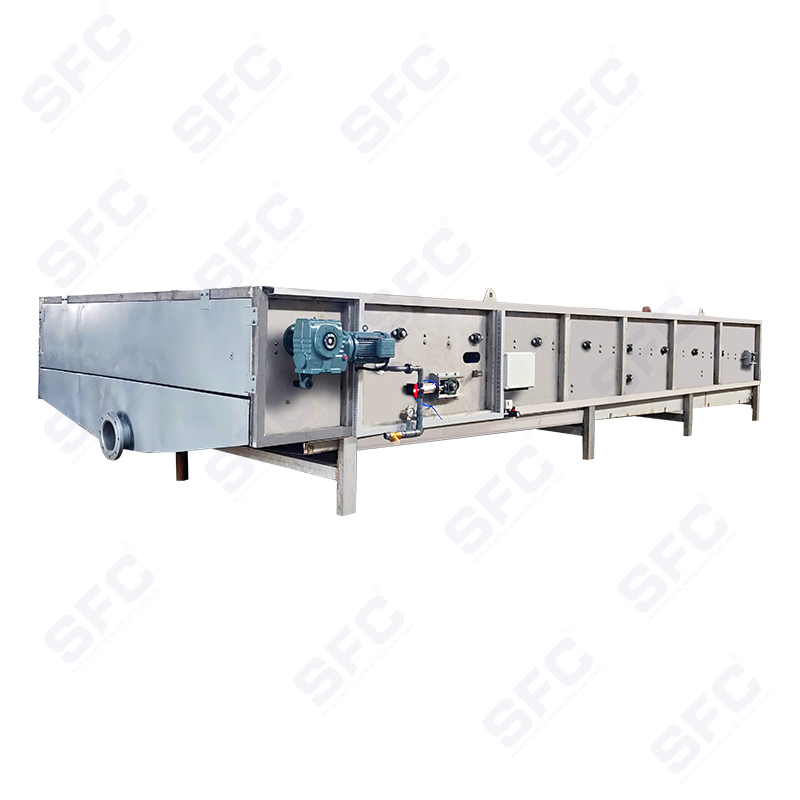 FBT series belt type sludge thickener
-
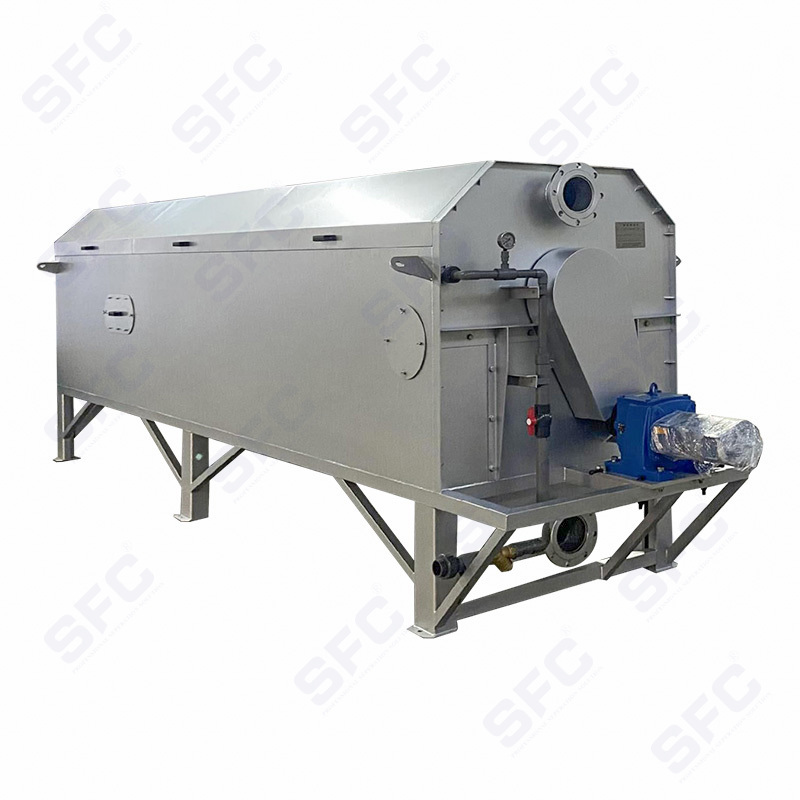 FRDT series rotary drum sludge thickener
-
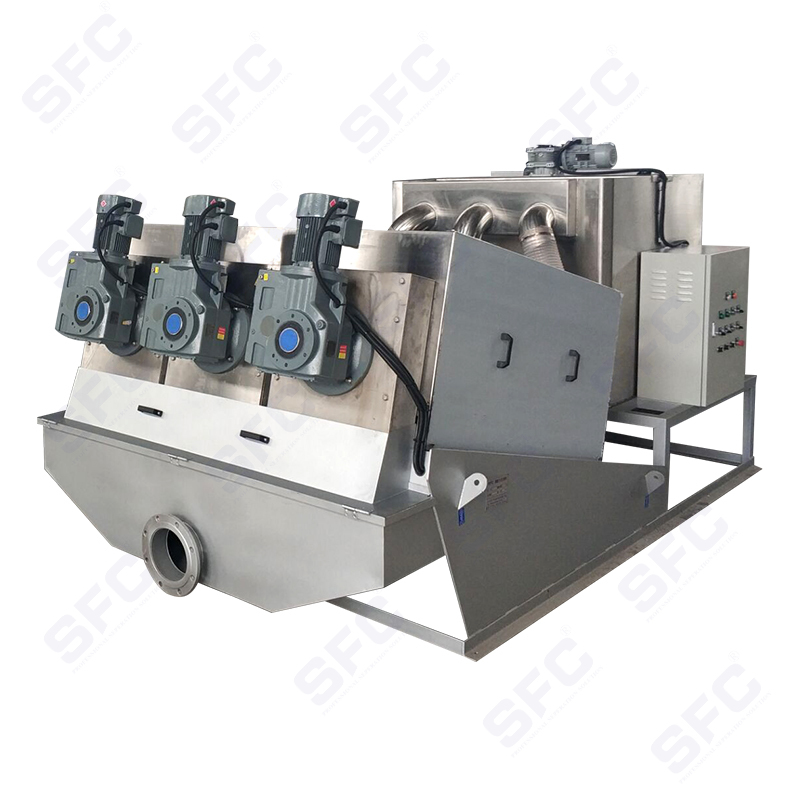 SST series screw type sludge thickener
-
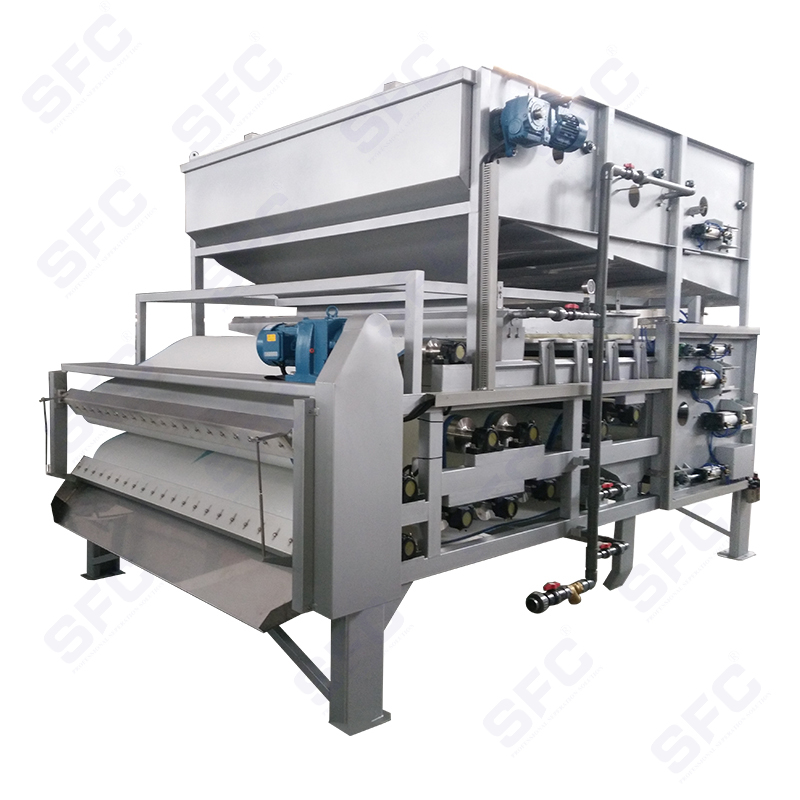 Belt type sludge thickening and dewatering machine
-
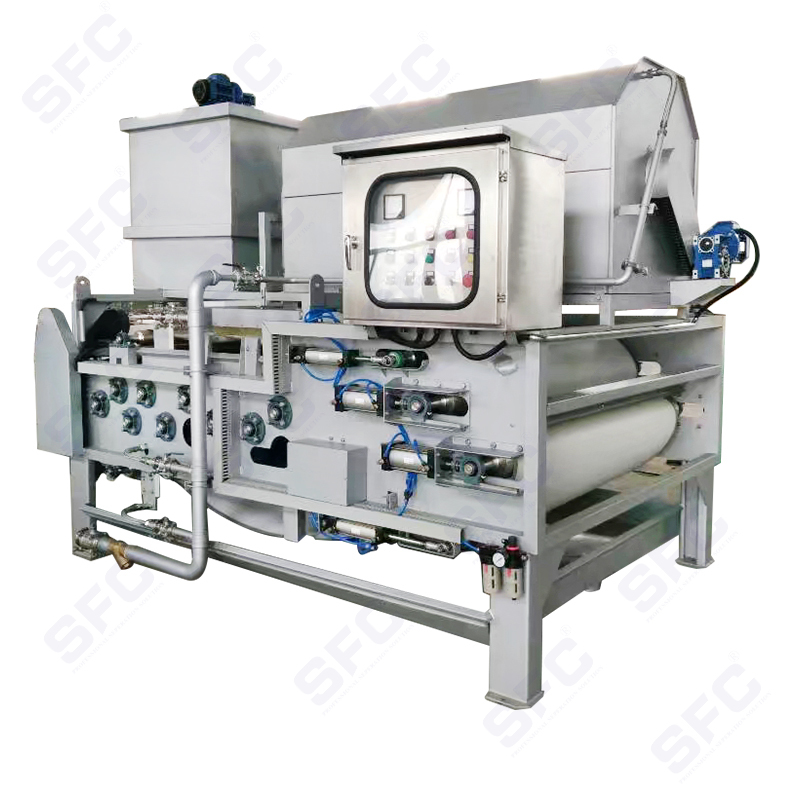 FTB series rotary drum sludge dewatering machine
-
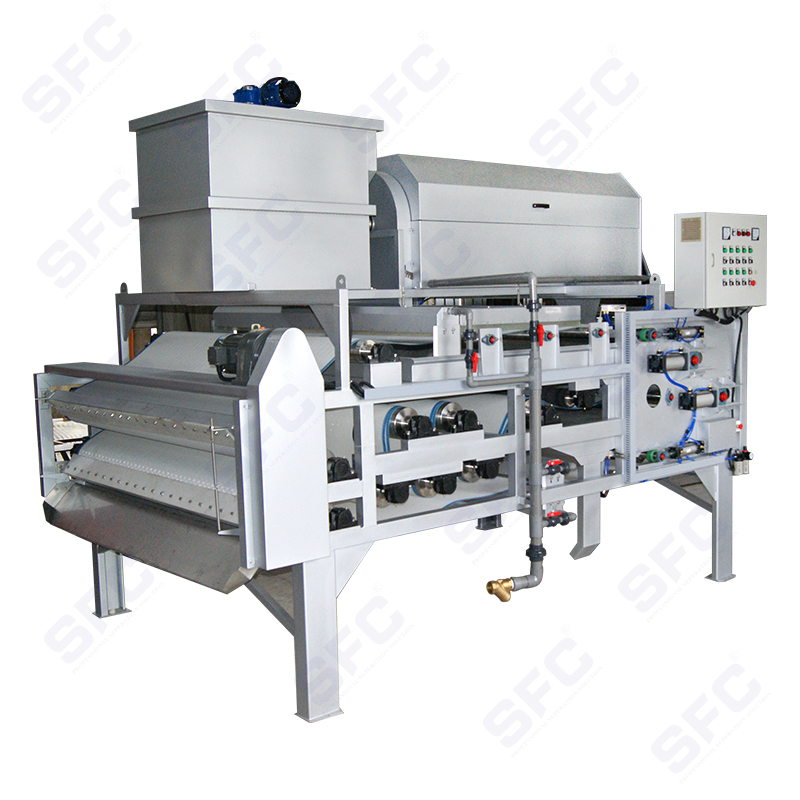 FTE series rotary drum sludge dewatering machine
-
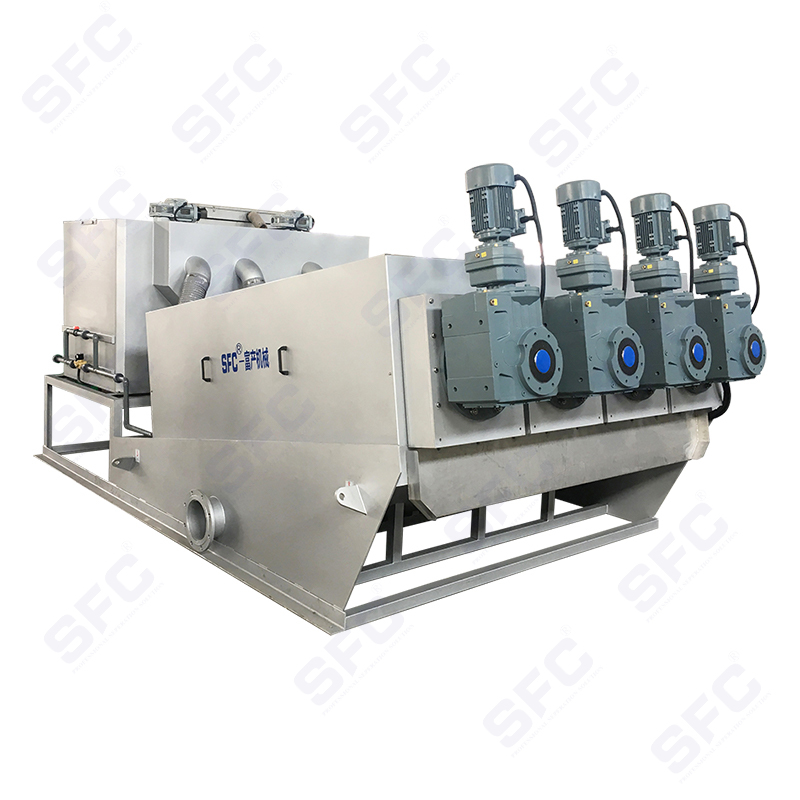 DL series screw sludge dehydrator/ screw type sludge dewatering machine
-
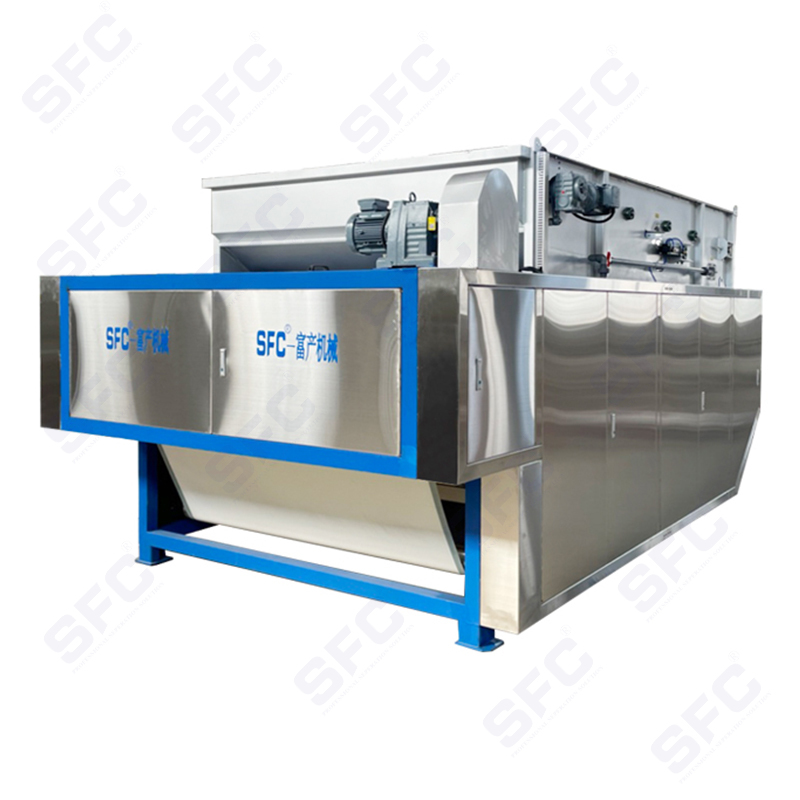 GDY series belt sludge concentration and dewatering machine
-
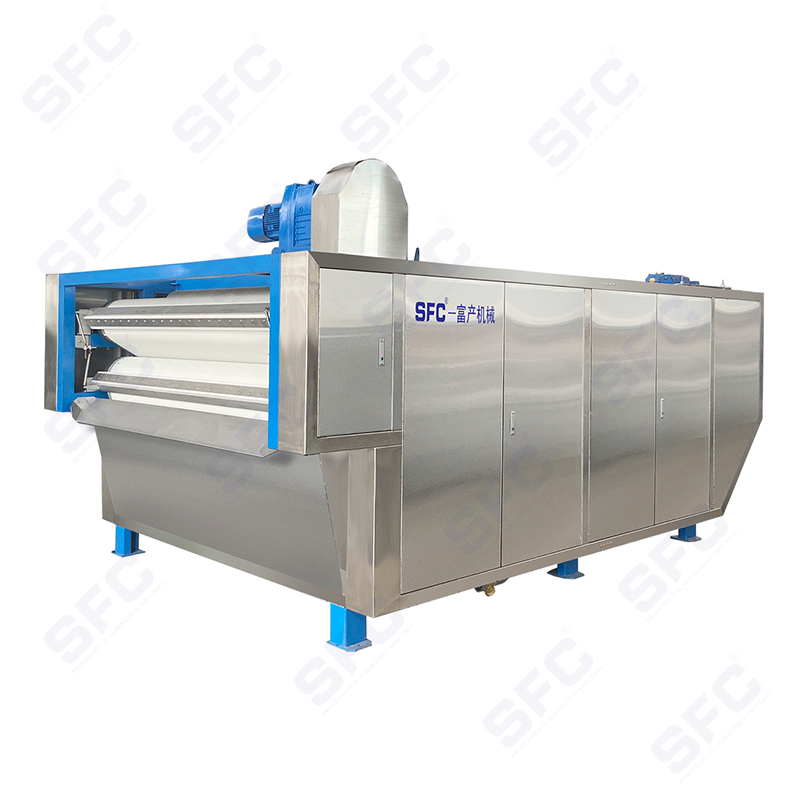 SD-High pressure sludge deep dewatering system
-
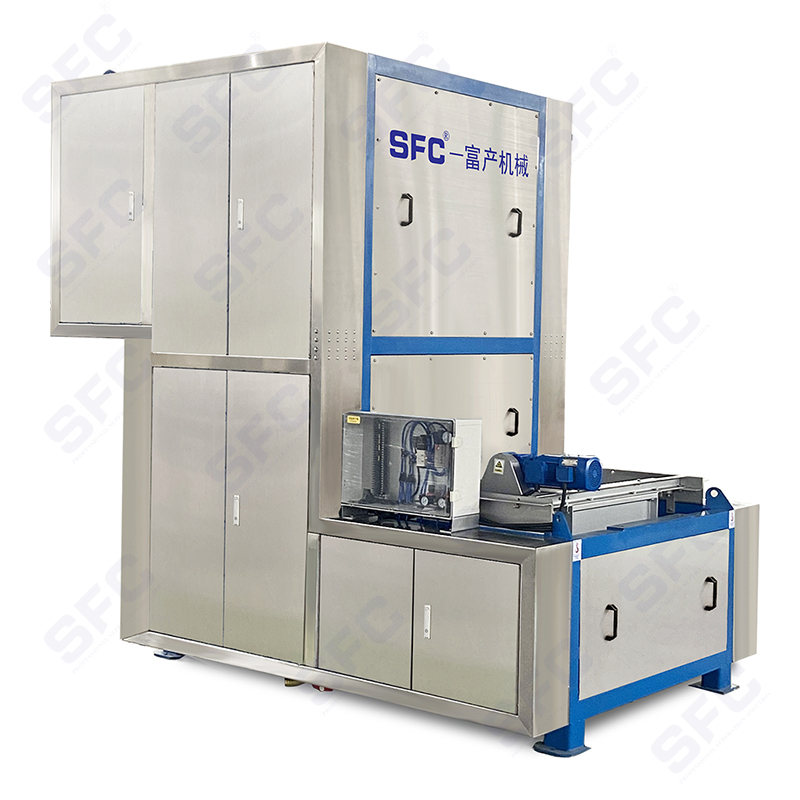 LSD-High pressure sludge deep dewatering system
-
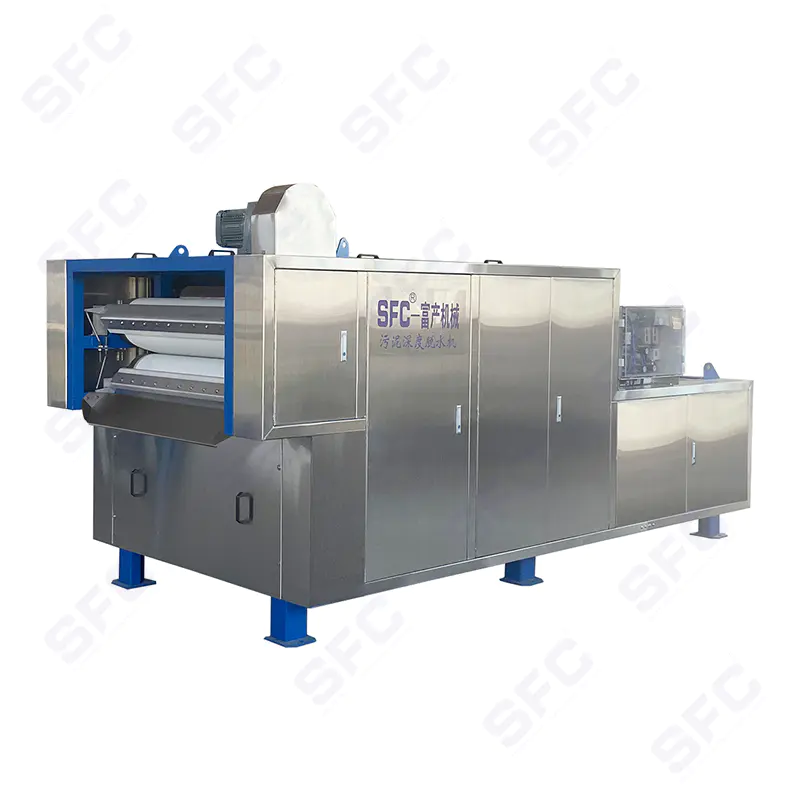 ZSD-High pressure sludge deep dewatering system
-
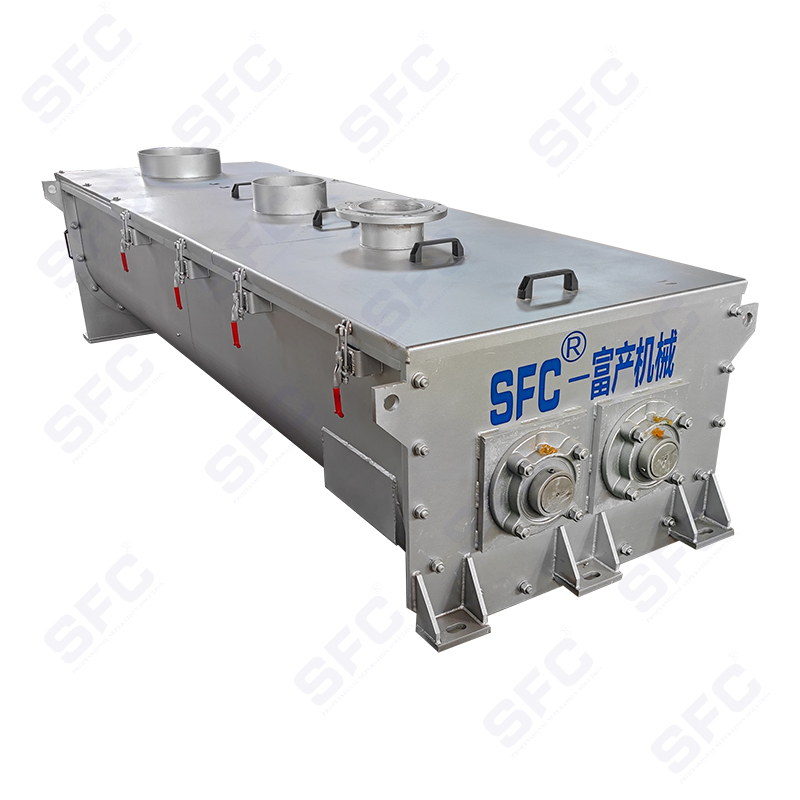 SFC-DM sludge mixer
Step-by-Step Guide to Deep Sludge Dewatering Machine
Deep sludge dewatering machines are specialized equipment used to remove water from sludge, converting it into solid cake form for easier handling, transport, and disposal. These machines are widely used in municipal wastewater treatment plants, industrial effluent treatment, and chemical or food processing industries where high moisture content in sludge is a challenge.
By effectively separating water from solids, deep sludge dewatering machines improve efficiency, reduce sludge volume, and enhance environmental compliance. Understanding their operation, structure, and benefits is critical for choosing the right equipment and optimizing sludge treatment processes.
Structure and Components of Deep Sludge Dewatering Machines
A deep sludge dewatering machine typically consists of several core components that work together to maximize water removal and sludge compaction:
- Sludge Feeding System: Ensures uniform delivery of sludge into the dewatering chamber.
- Centrifugal Drum or Screw Press: Provides the mechanical force necessary to separate water from sludge.
- Compression Zone: Applies pressure to further dewater the sludge, increasing solid content in the final cake.
- Filtrate Collection System: Captures and channels the separated water for treatment or recycling.
- Control Panel: Regulates motor speed, pressure, and other operational parameters to optimize dewatering efficiency.
- Discharge System: Removes the dewatered sludge cake from the machine for further processing or transport.
Working Principle of Deep Sludge Dewatering Machines
The primary objective of a deep sludge dewatering machine is to remove free and bound water from sludge. The process usually involves the following steps:
- Sludge enters the machine via the feeding system and is evenly distributed into the dewatering chamber.
- Mechanical forces such as centrifugal force (in centrifuge models) or pressure (in screw press models) act on the sludge to separate water from solids.
- The compression zone further squeezes the sludge, increasing solid content in the cake while reducing moisture content.
- Separated water (filtrate) is collected and transported to a treatment system for purification or recycling.
- The dewatered sludge cake is discharged automatically for storage, transport, or incineration.
Types of Deep Sludge Dewatering Machines
Deep sludge dewatering machines come in different designs, each suited for specific sludge types and operational requirements:
Centrifugal Dewatering Machines
Centrifugal dewatering machines use high-speed rotation to generate centrifugal forces, forcing water out of the sludge. These machines are ideal for fine, soft sludge and provide high separation efficiency and compact footprint.
Screw Press Dewatering Machines
Screw press machines apply continuous mechanical pressure along a screw conveyor, gradually squeezing water out of sludge. They are suitable for medium to high-solid-content sludge and offer energy-efficient operation with minimal maintenance.
Belt Filter Presses
Belt filter presses use a combination of gravity drainage and mechanical compression between two moving belts to dewater sludge. They are suitable for large-scale wastewater treatment plants and can achieve high solid content in the discharged cake.

Key Benefits of Using Deep Sludge Dewatering Machines
Deep sludge dewatering machines offer significant advantages in industrial and municipal applications:
- Volume Reduction: Significantly reduces sludge volume, lowering storage and transportation costs.
- Water Recovery: Recovered filtrate can be recycled back into the process or treated further, conserving water resources.
- Environmental Compliance: Produces stable, solid sludge suitable for safe disposal or use as fertilizer.
- Operational Efficiency: Continuous operation with automated feeding and discharge improves productivity.
- Energy Savings: Advanced designs minimize energy consumption while maintaining high dewatering efficiency.
Maintenance and Operational Tips
Proper maintenance ensures long-term reliability and consistent performance of deep sludge dewatering machines:
- Regularly inspect mechanical components such as screws, belts, and bearings for wear and tear.
- Monitor filtrate quality to detect potential clogging or inefficiencies in the dewatering process.
- Clean the feeding and discharge systems to prevent sludge buildup and maintain smooth operation.
- Check lubrication points and hydraulic systems as per manufacturer recommendations.
- Adjust operating parameters based on sludge characteristics to optimize solid content and filtrate clarity.
Applications of Deep Sludge Dewatering Machines
These machines are widely used across industries that generate large volumes of sludge:
- Municipal Wastewater Treatment Plants: Efficiently process sewage sludge for safe disposal or use as fertilizer.
- Industrial Effluents: Food, chemical, and pharmaceutical industries benefit from volume reduction and water recovery.
- Agricultural Applications: Dewatered sludge can be used as soil conditioner after stabilization.
- Environmental Remediation: Treat sludge from contaminated water bodies or sediment processing.
Conclusion
Deep sludge dewatering machines are critical for modern wastewater treatment and industrial sludge management. By efficiently separating water from solids, they reduce sludge volume, recover valuable water, and produce a stable, manageable sludge cake.
Selecting the right machine type, understanding operational principles, and following maintenance best practices are essential for optimizing performance, extending equipment life, and ensuring sustainable, cost-effective sludge management.
Related products recommendations
- Phone: +86-13816732007
- Tel: +86-021-50966266
- Email: [email protected]
- Address: Room 1201.1122 Xinjinqiao Rd, Pudong new district, Shanghai PRC China
Copyright © Shanghai Fuchan Machinery Technology Co., Ltd. All Rights Reserved.
 Manufacturers Of Sludge Treatment Equipment