


 English
 Español
Hot Products
-
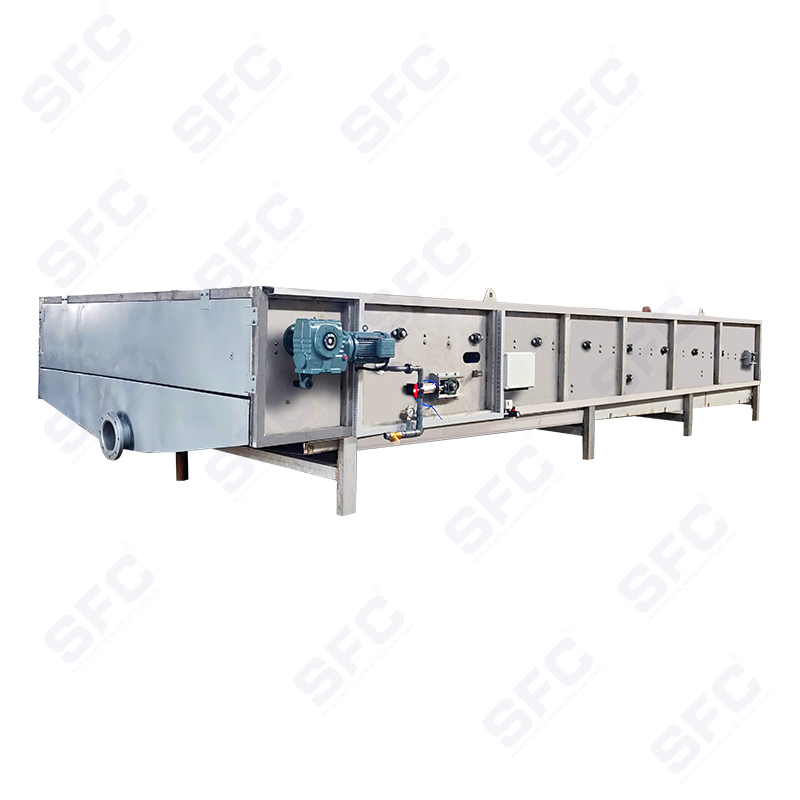 FBT series belt type sludge thickener
-
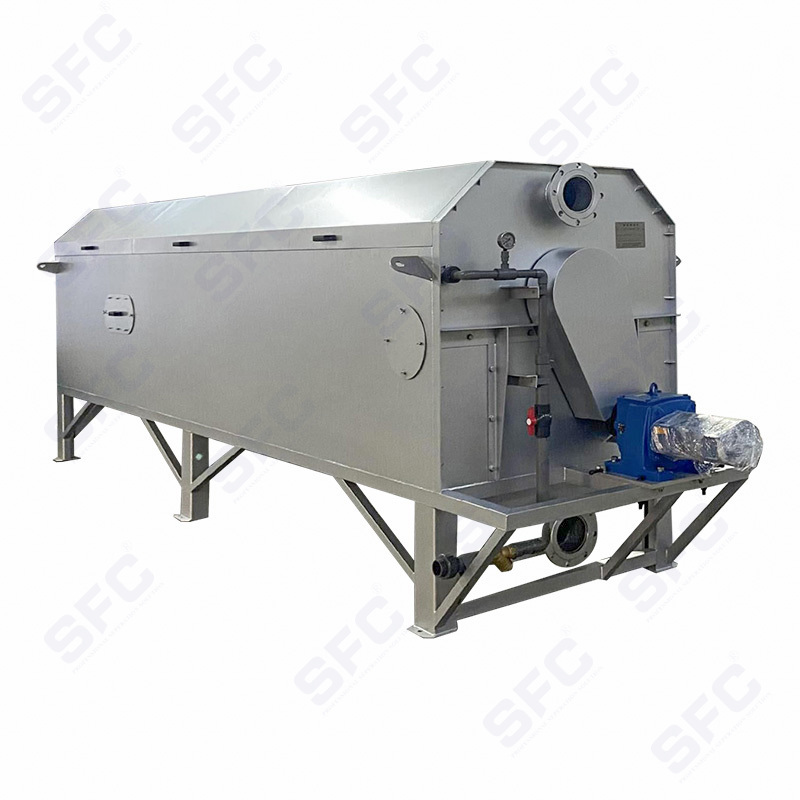 FRDT series rotary drum sludge thickener
-
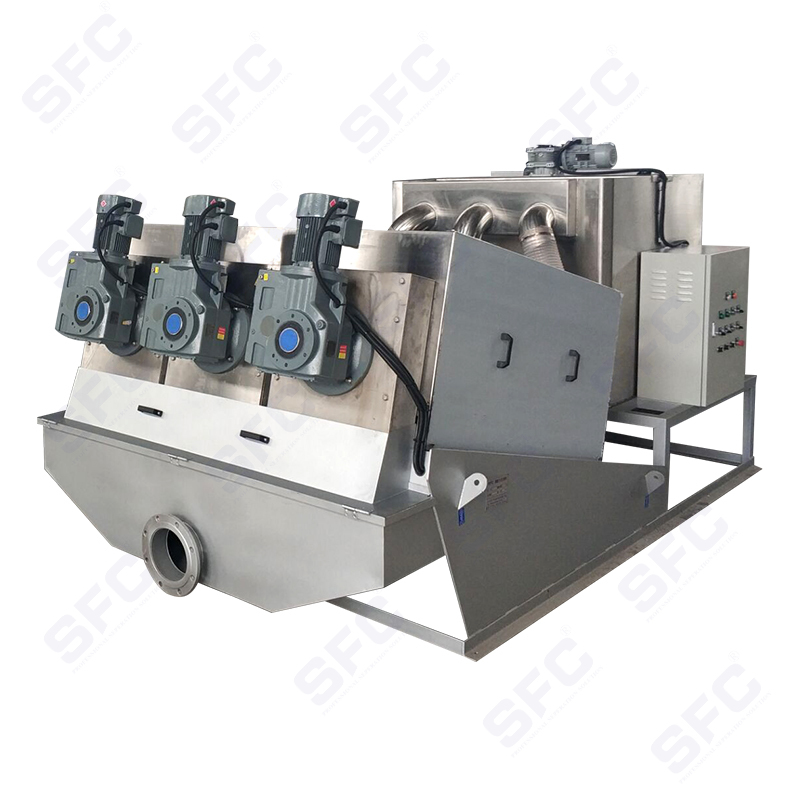 SST series screw type sludge thickener
-
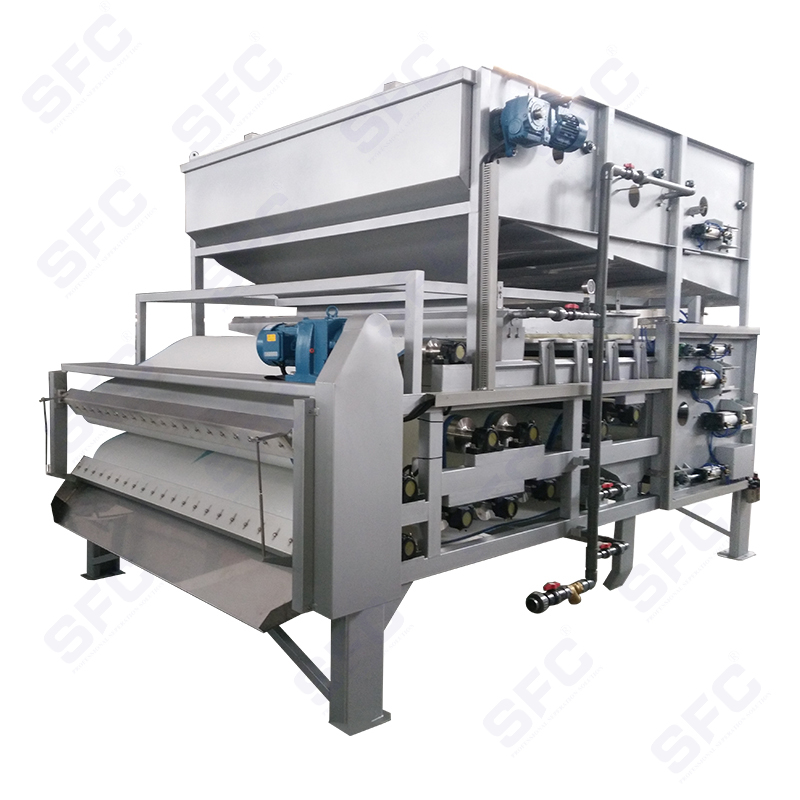 Belt type sludge thickening and dewatering machine
-
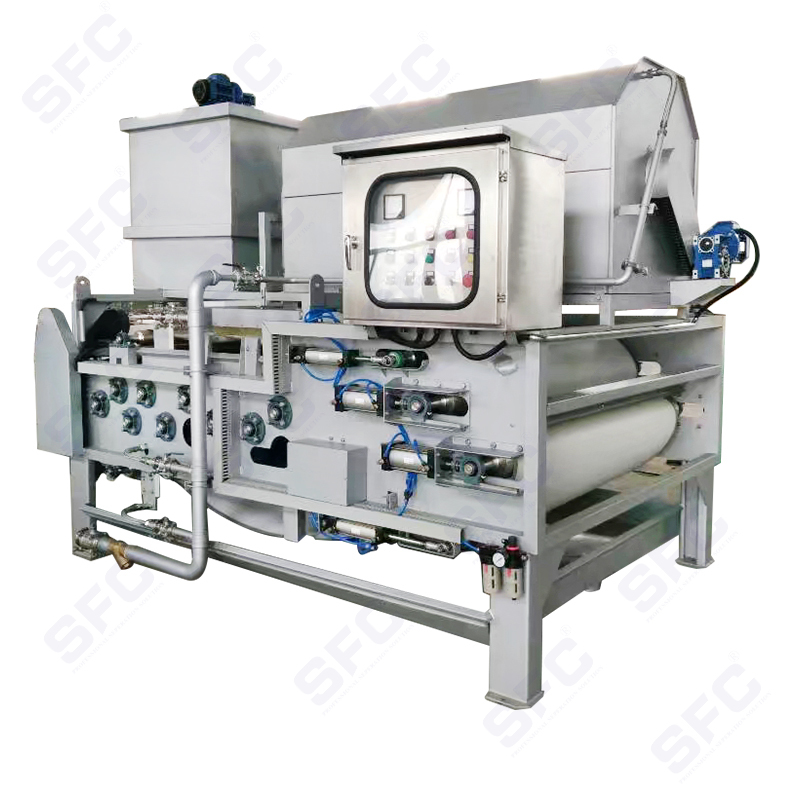 FTB series rotary drum sludge dewatering machine
-
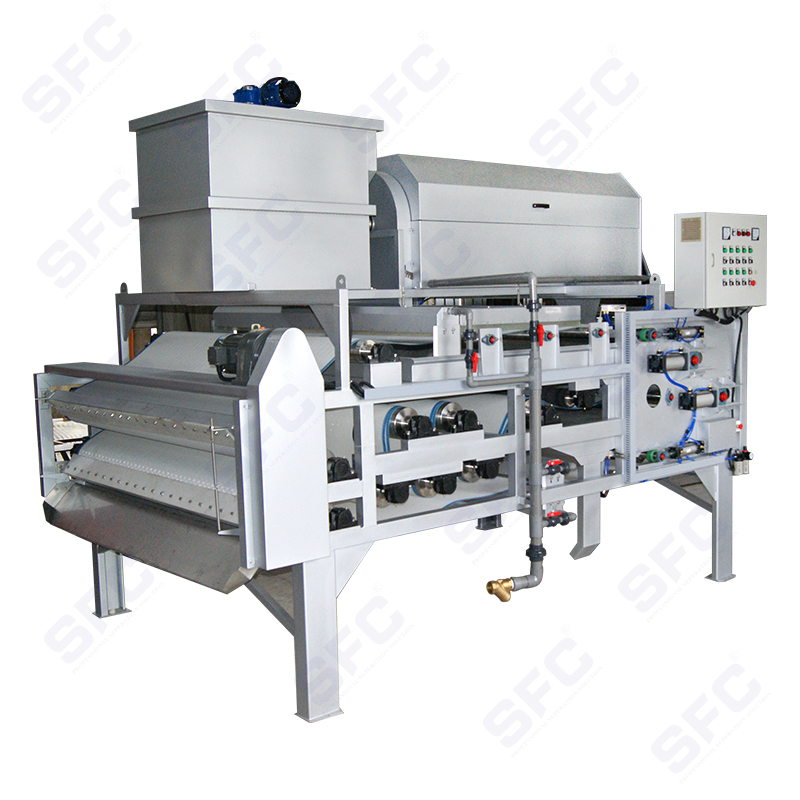 FTE series rotary drum sludge dewatering machine
-
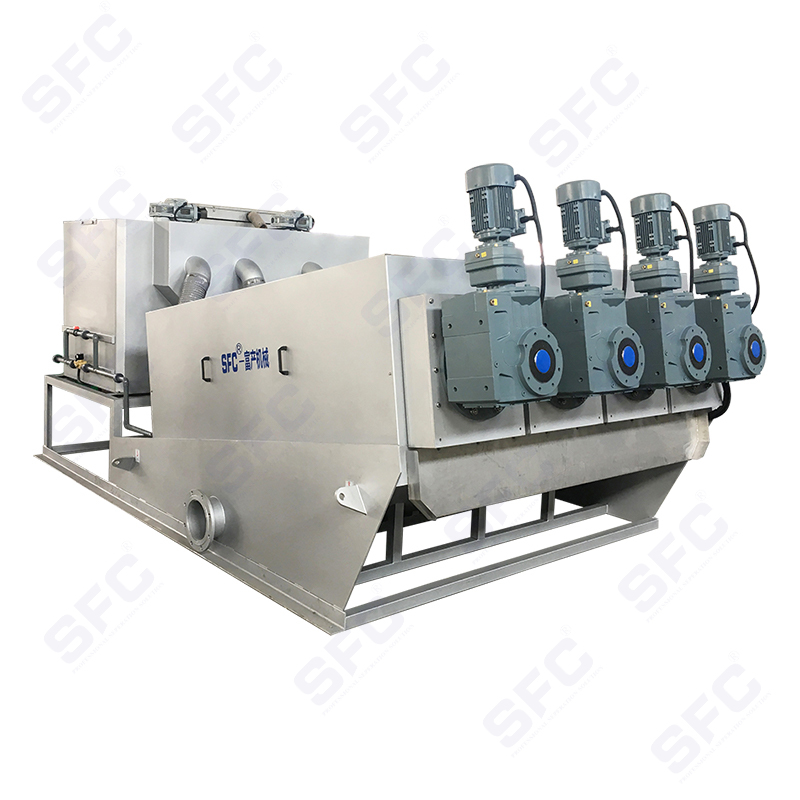 DL series screw sludge dehydrator/ screw type sludge dewatering machine
-
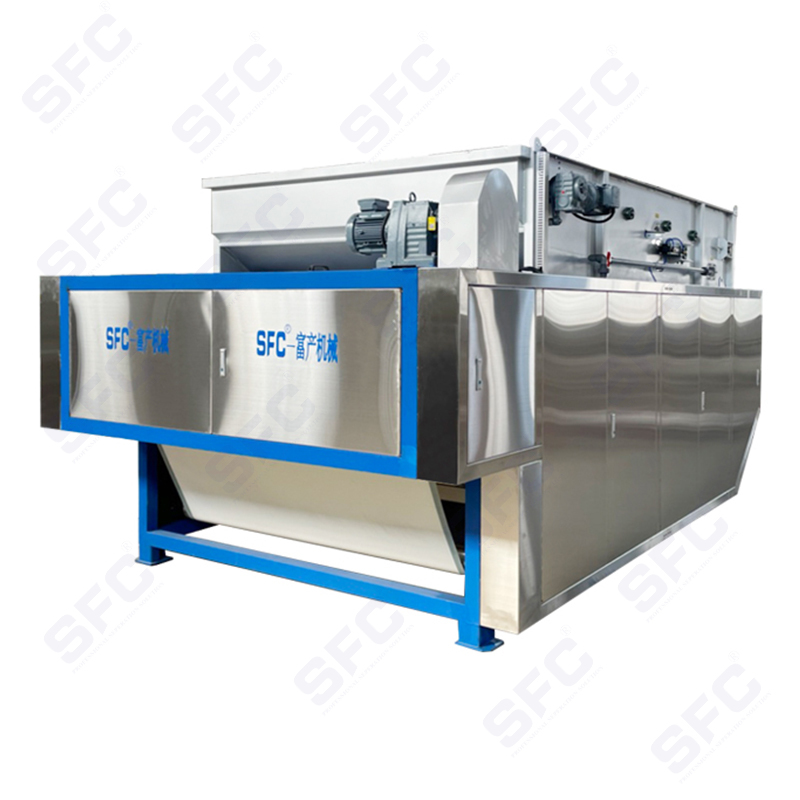 GDY series belt sludge concentration and dewatering machine
-
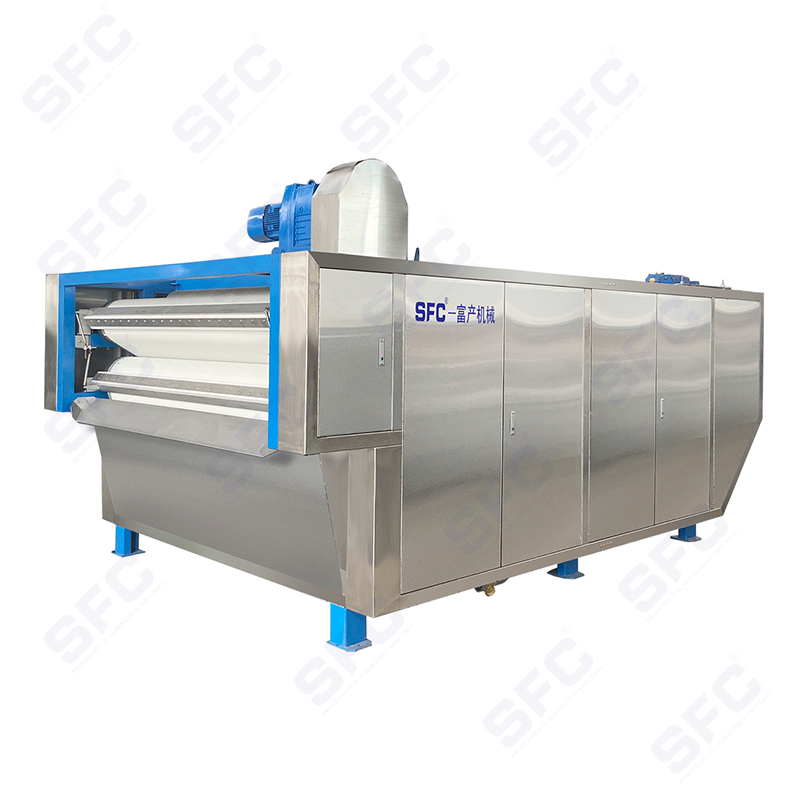 SD-High pressure sludge deep dewatering system
-
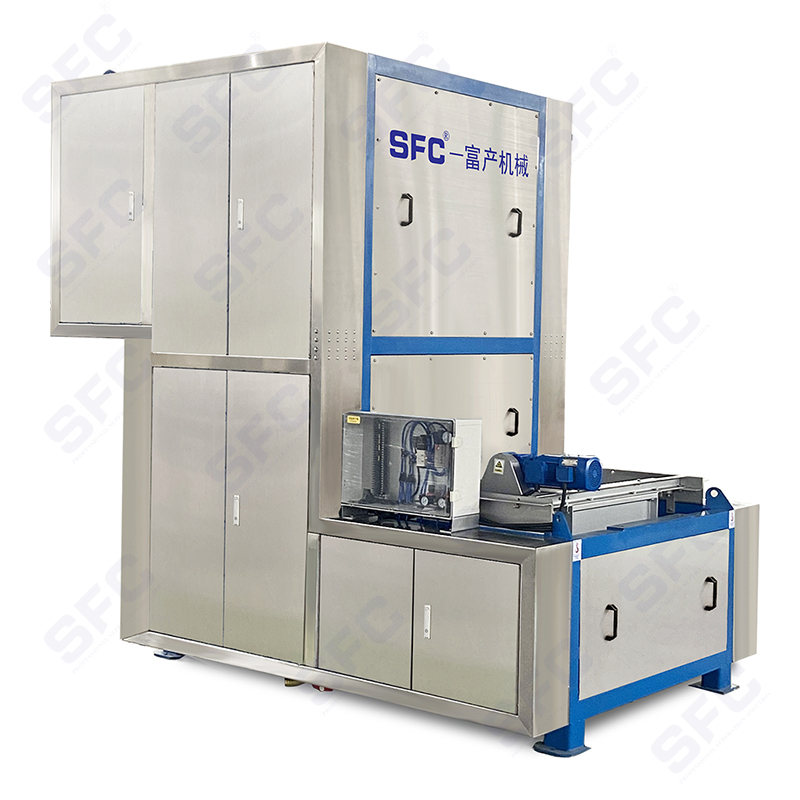 LSD-High pressure sludge deep dewatering system
-
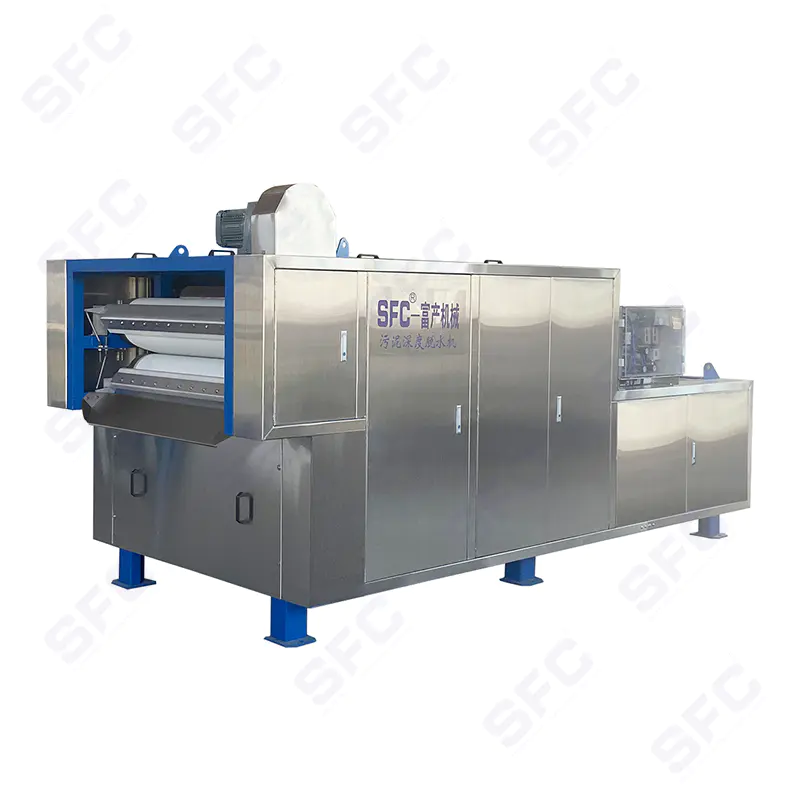 ZSD-High pressure sludge deep dewatering system
-
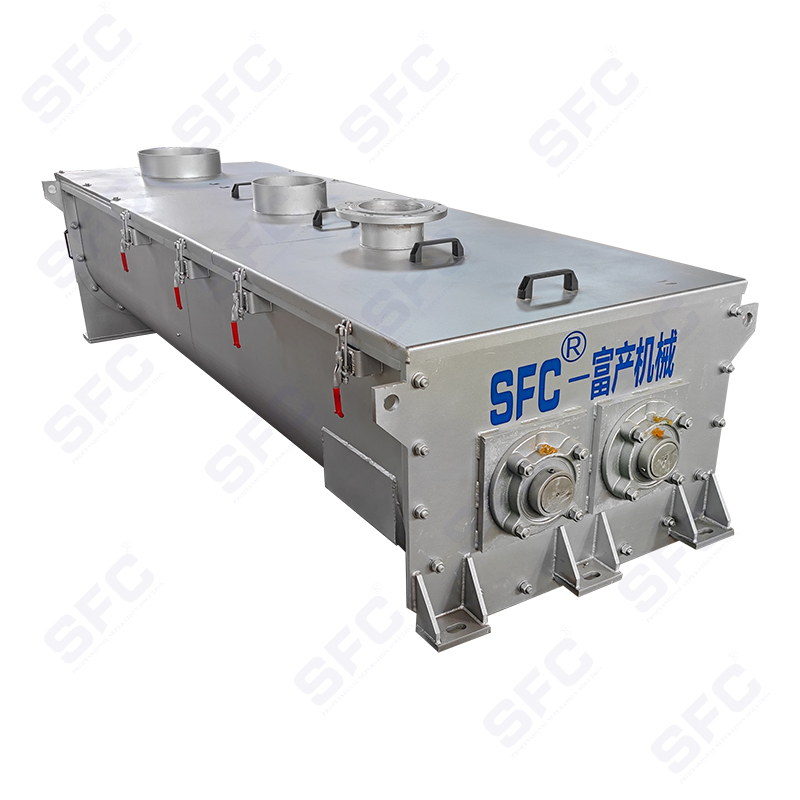 SFC-DM sludge mixer
Which Wet sludge conveying equipment Is Most Reliable for Industrial Use?
In industrial wastewater and sludge management, selecting reliable wet sludge conveying equipment is critical for operational stability, worker safety, and long-term cost control. Wet sludge is a challenging medium—highly viscous, often abrasive, and prone to settling—so the conveying solution must be robust, low-maintenance, and adaptable to variable feed conditions. This article examines the most reliable equipment types, compares their pros and cons, outlines selection criteria, and offers practical guidance to help engineers and plant managers choose the best solution for their specific application.
Common Types of Wet Sludge Conveying Equipment
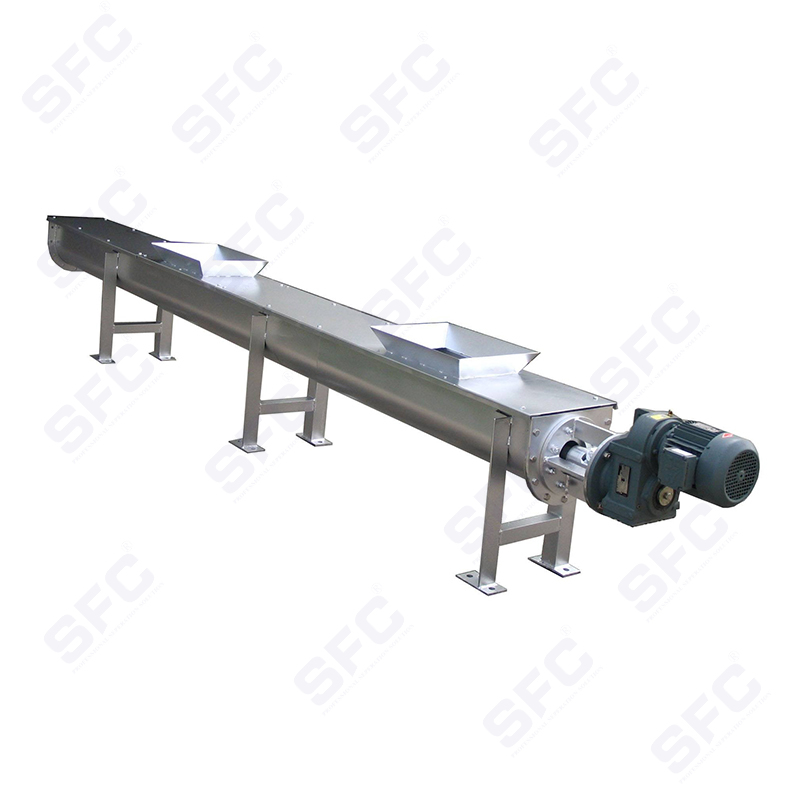
Screw Conveyors
Screw conveyors (augers) are widely used for short-distance sludge transport. They can handle thick, semi-solid sludge and are simple to operate. Their sealed troughs minimize odor and spillage, and variable-pitch screws allow throughput tuning. However, screw conveyors are prone to wear when handling abrasive solids and can clog with fibrous material. Proper shaft and bearing sealing, sacrificial liners, and routine inspection mitigate many issues.
Pneumatic Conveying Systems
Pneumatic systems move sludge using air pressure or vacuum. They are useful when routing through complex layouts or for enclosed transfer to minimize odor. Pneumatic conveying can be gentler on the material and enables longer distances, but it requires careful control of airflow, higher energy usage, and may not be ideal for high-solids sludges that risk blockages. Correct blower sizing and dense-phase designs can improve robustness.
Flexible Screw Conveyors
Flexible screw conveyors combine many advantages: they are enclosed, compact, and can route around obstacles. They work well for sticky, wet materials because the screw rotates within a flexible tube, reducing compaction. Maintenance is simpler because the tube can be replaced quickly. Their limitation is throughput—flexible screws suit moderate volumes rather than high-capacity transfer.
Belt Conveyors with Dewatering Systems
Belt conveyors paired with pre-dewatering units are used where sludge has significant free water. Dewatering reduces weight and wear, allowing belt conveyors to transport concentrated sludge cake. Belt systems are energy-efficient for high-throughput, but they require more space and routine cleaning to prevent buildup. They shine when upstream thickening or filter-press systems consistently reduce moisture content.
Peristaltic Pumps
Peristaltic (hose) pumps are positive-displacement pumps that move sludge by compressing a hose. They excel at handling highly abrasive and shear-sensitive sludges, providing gentle transfer without internal valves. Peristaltic pumps offer low-maintenance operation since only the hose contacts the medium. Hose wear is the main maintenance item, but replacement is straightforward and predictable.
Progressive Cavity Pumps
Progressive cavity pumps (PCPs) use a helical rotor-stator design to handle high solids concentration and maintain steady flow against varying pressures. PCPs are robust, provide low-pulsation flow, and tolerate abrasive particles. Proper material selection for the stator and rotor (hardening, coatings, or elastomer choice) is key to maximizing service life and reliability.
Comparison of Reliability Factors
Material Compatibility and Wear Resistance
Reliability begins with material selection. Components that contact sludge—screws, hoses, rotors, and liners—must resist abrasion, chemical attack, and biological degradation. Stainless steel, hardened alloys, and elastomers formulated for slurry service extend component life. Consider wear liners or replaceable sacrificial parts where abrasive grit is present.
Clogging and Fouling Resistance
Reliable systems resist clogging. Open-screw and belt systems are more prone to buildup unless pre-treated. Enclosed designs—peristaltic pumps, flexible screws, and PCPs—reduce exposure and often include self-cleaning characteristics. Design features such as larger clearances, flush ports, and inspection access further reduce fouling risk.
Ease of Maintenance and Spare Parts Availability
Downtime is a primary reliability metric. Equipment with simple maintenance routines, quick-change wear parts, and widely available spares improves mean time to repair. Peristaltic pumps and flexible screw conveyors score high because wear parts are modular and accessible. Complex pneumatic systems and custom belt arrangements can be harder to service without vendor support.
Energy Efficiency and Operational Costs
Reliability includes consistent operation with predictable energy use. Pneumatic systems may be less reliable economically due to high blower power requirements. Screw conveyors and belt systems can be energy-efficient for steady-state, low-head transfers. Progressive cavity pumps provide consistent energy consumption across varying loads, often lowering life-cycle cost.
Throughput and Scalability
Selecting equipment that matches plant capacity is essential. Flexible screw conveyors and peristaltic pumps are ideal for moderate throughputs and moderate transfer distances. For high-volume centralized plants, belt conveyors with dewatering or large PCPs provide scale. Plan for future capacity increases and consider redundancy to maintain uptime during maintenance.
Selection Criteria: How to Choose the Most Reliable Option
Sludge Characteristics
Analyze moisture content, solids percentage, particle size distribution, fibrous content, abrasiveness, and chemical composition. High solids and abrasive content favor PCPs or peristaltic pumps; fibrous materials may clog screw conveyors, so flexible screws or PCPs are preferred. Lab rheology tests help predict pumpability and clogging risk.
Transfer Distance and Layout Constraints
Short, straight runs suit screw conveyors or PCPs. Long distances or complex routing favor pneumatic or flexible screw systems. For elevated or overland transport, enclosed conveyor designs control emissions and reduce environmental exposure.
Required Throughput and Duty Cycle
Match equipment rated capacity with peak and average flows. For continuous 24/7 operation, choose heavy-duty PCPs or industrial peristaltic pumps with planned hose replacement schedules. Intermittent duty may allow smaller flexible screws or modular systems.
Maintenance Philosophy and On-site Expertise
If the facility has trained technicians, some complex systems can be supported in-house. If not, choose solutions with vendor service agreements or simple, modular maintenance. Consider spare part lead times and local supplier presence before committing to proprietary systems.
Case Studies and Practical Examples
Municipal Wastewater Plant — Progressive Cavity Pumps
A mid-size municipal plant replaced aging screw conveyors with PCPs in their sludge thickening line. The PCPs handled higher solids, reduced fugitive spills, and decreased maintenance downtime by approximately 30% over two years. Improved material selections for stator elastomer increased service life and reduced unplanned replacements.
Food Processing Facility — Peristaltic Pumps
A food processor handling high-fat, sticky sludge adopted peristaltic pumps for hygienic, enclosed transfer. The pumps allowed easy CIP (clean-in-place) cycles and reduced cross-contamination risks. Hose wear was managed through a predictive replacement schedule tied to runtime hours.
Industrial Chemical Plant — Flexible Screw Conveyors
An industrial plant with complex floor layout installed flexible screw conveyors to move wet sludge from multiple process points to a central dewatering unit. The flexible conveyors navigated around equipment, lowered installation cost, and simplified maintenance compared with rigid screw systems.
Installation and Operation Best Practices
Pre-treatment and Screening
Install coarse screens, grit removal, and homogenizers upstream to remove large debris and protect conveying equipment. Proper pre-treatment reduces wear and clogging downstream, and improves predictable throughput.
Gravity Feed and Proper Slope
Where possible, use gravity-assisted feed to reduce pump energy and wear. Align conveyors with appropriate slope and avoid horizontal dead zones where sludge can accumulate. Ensure accessible inspection points and designed clean-outs.
Monitoring and Predictive Maintenance
Implement vibration, torque, and flow monitoring to detect early signs of clogging or wear. Predictive maintenance based on runtime and condition data prevents sudden failures and optimizes spare-part replacement intervals.
Spare Parts Strategy
Maintain critical spares on-site: hoses for peristaltic pumps, stators for PCPs, screw sections for conveyors, and belt spare segments. A good spares inventory reduces mean time to repair and smooths scheduled maintenance windows.
Cost Considerations: Capital vs. Life-Cycle Cost
Initial capital cost varies widely. Belt conveyors and pneumatic systems can have higher up-front costs. Life-cycle cost analysis often favors PCPs and peristaltic pumps due to lower downtime and predictable maintenance. Include energy, labor, spare parts, and disposal costs in calculations and use net-present-value (NPV) comparisons when possible.
Environmental and Safety Considerations
Enclosed systems reduce odor, aerosolization, and worker exposure. Choose equipment with proper seals, explosion-proof options where flammable gases are present, and guarding against rotating parts. Comply with local environmental discharge and health regulations and consider secondary containment for transfer points.
Troubleshooting Common Issues
Clogging and blockage response procedures should be standardized. Start with low-speed reverse operation where supported, then engage manual inspection through designed access ports. For pumps, relieve pressure and follow lockout-tagout (LOTO) procedures before servicing. Document each incident and capture root-cause data to prevent recurrence.
Procurement and Vendor Selection Tips
Choose vendors who provide local service support and clear warranty terms that include wear-part coverage. Request performance curves, NPSH requirements for pumps, and abrasion test data for materials. Insist on factory acceptance tests (FAT) or witness runs where possible. Consider pilot trials for novel solutions to validate performance under real sludge conditions.
| Equipment | Best Use Case | Reliability Score |
| Progressive Cavity Pump | High solids, abrasive sludges | 9/10 |
| Peristaltic Pump | Shear-sensitive, hygienic applications | 9/10 |
| Flexible Screw Conveyor | Moderate throughput, complex routing | 8/10 |
| Belt Conveyor + Dewatering | High-volume cake transport | 8/10 |
| Pneumatic Conveying | Long runs, enclosed transfer | 7/10 |
Final Recommendation
For most industrial applications requiring high reliability, progressive cavity pumps and peristaltic pumps offer the best balance of robustness, low downtime, and adaptability to challenging sludge properties. Where routing flexibility is critical and throughput moderate, flexible screw conveyors are excellent. For high-volume centralized transport with dewatering upstream, belt conveyors with appropriate pre-treatment remain a practical and economical choice. Match selection to sludge properties, operational demands, and maintenance capability to maximize uptime and minimize total cost of ownership.
Conclusion
There is no single “most reliable” wet sludge conveying equipment across all scenarios. Reliability depends on a matched selection to sludge properties, operational demands, and maintenance capability. By evaluating sludge characteristics, layout, throughput, and maintenance resources—and by piloting and tracking KPIs—engineers can choose equipment that maximizes uptime and minimizes total cost of ownership.
Reliability drives operational excellence.
Related products recommendations
- Phone: +86-13816732007
- Tel: +86-021-50966266
- Email: [email protected]
- Address: Room 1201.1122 Xinjinqiao Rd, Pudong new district, Shanghai PRC China
Copyright © Shanghai Fuchan Machinery Technology Co., Ltd. All Rights Reserved.
 Manufacturers Of Sludge Treatment Equipment