


 English
 Español
Hot Products
-
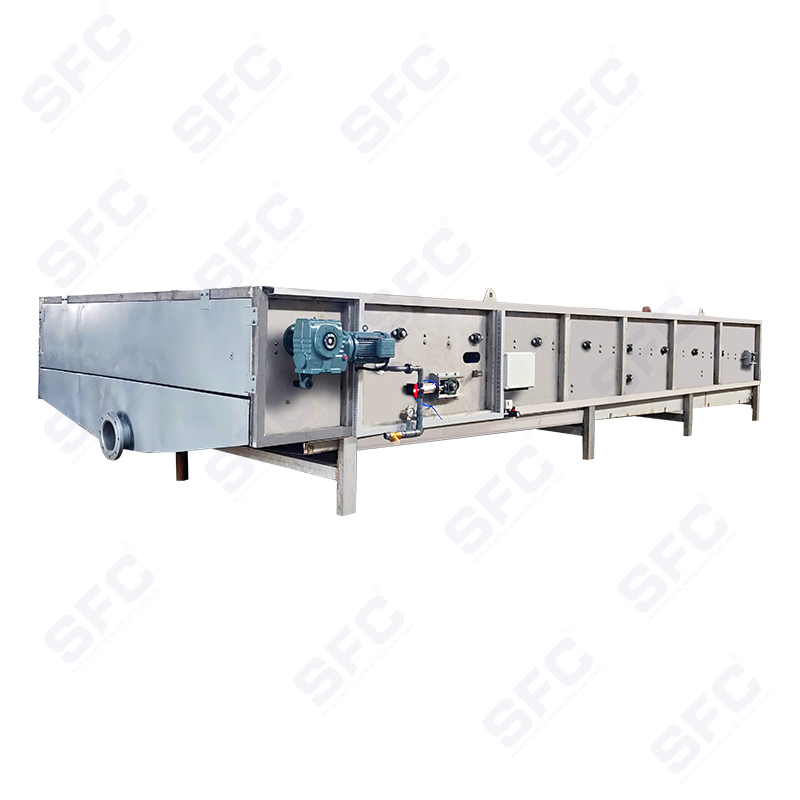 FBT series belt type sludge thickener
-
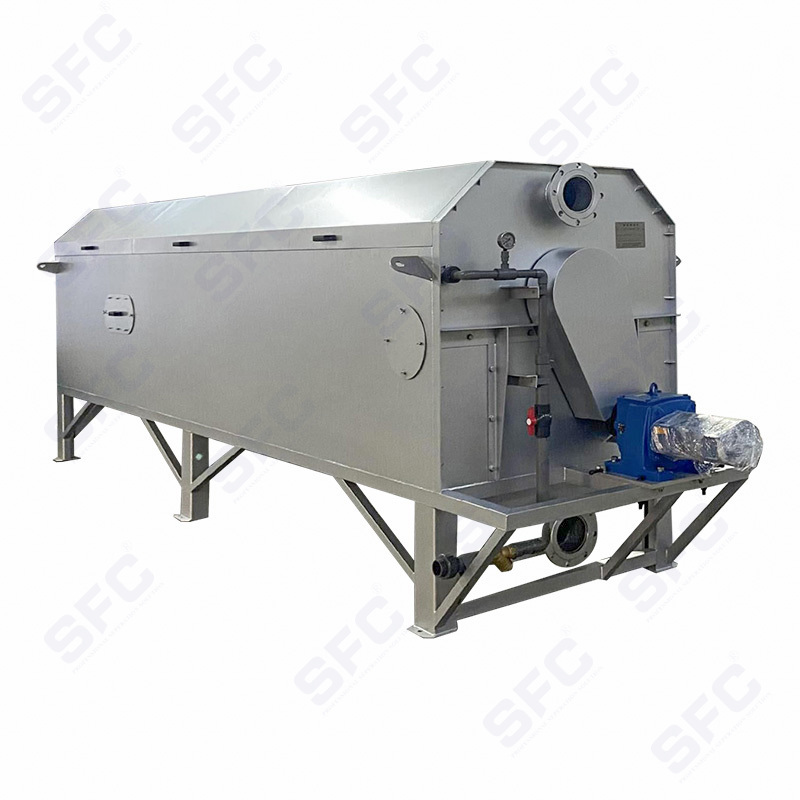 FRDT series rotary drum sludge thickener
-
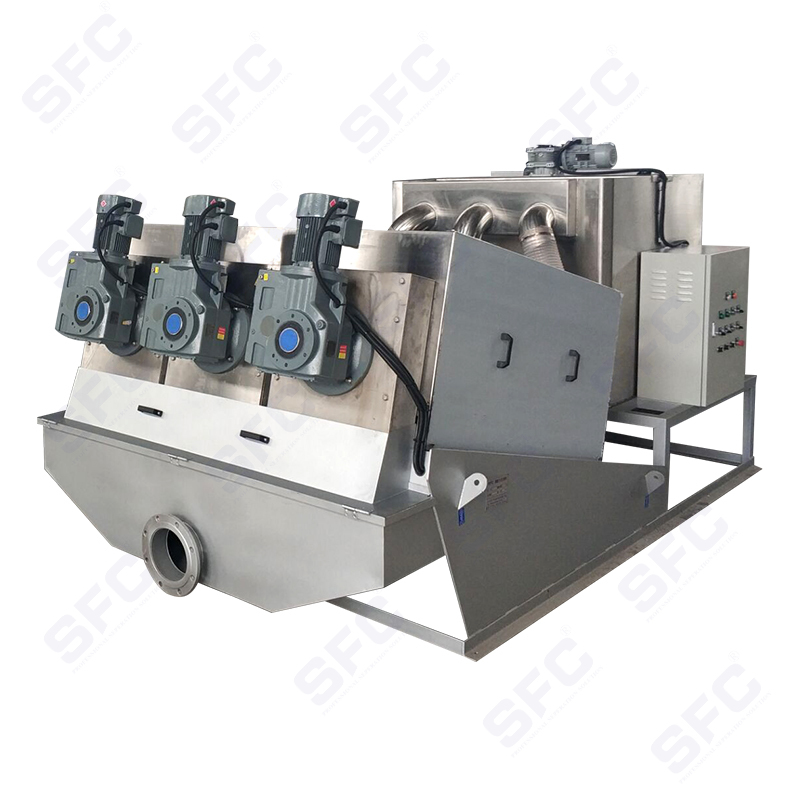 SST series screw type sludge thickener
-
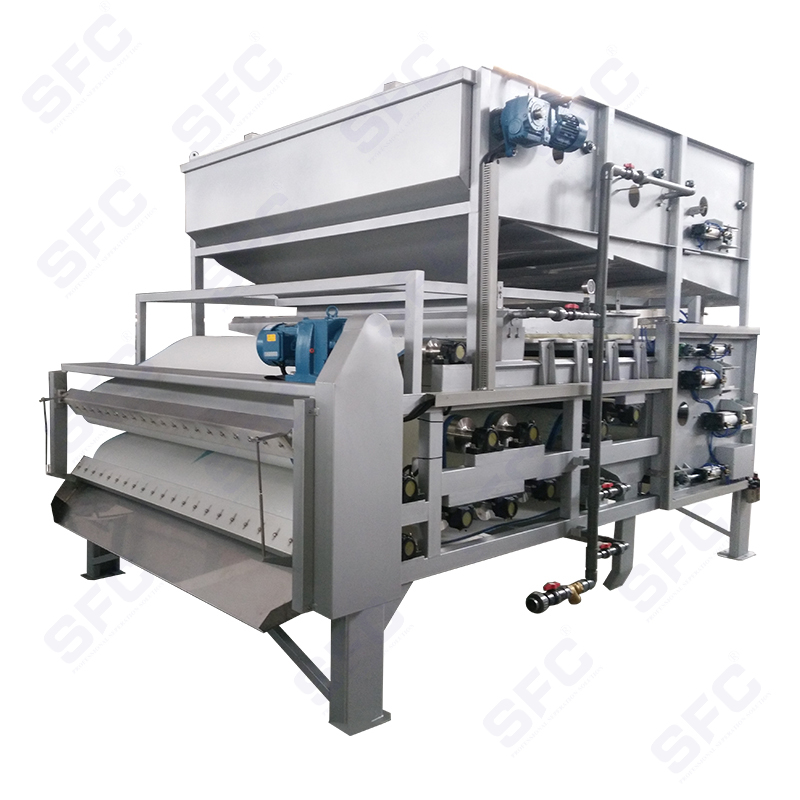 Belt type sludge thickening and dewatering machine
-
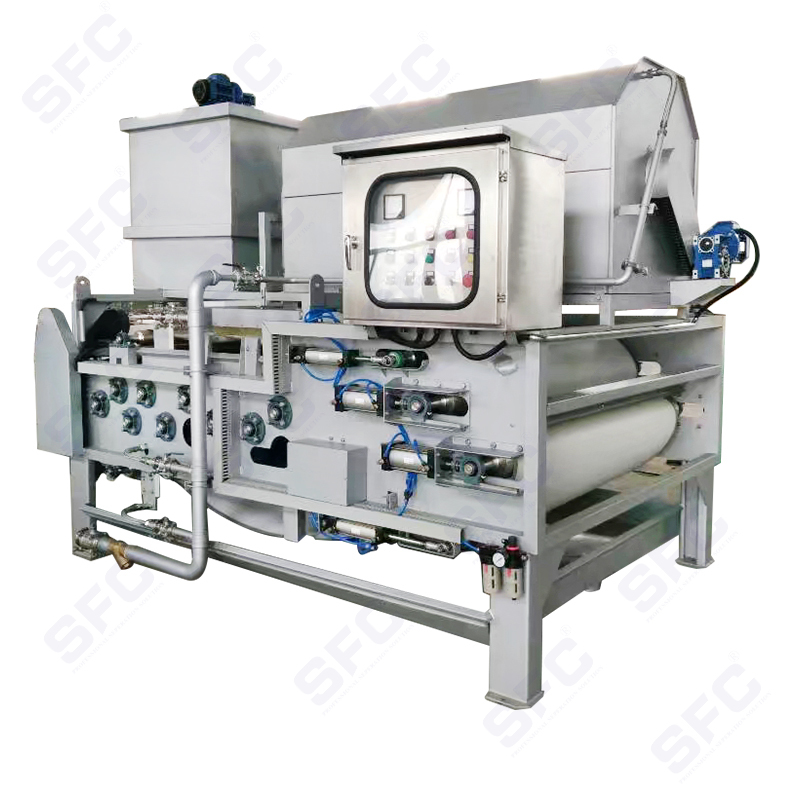 FTB series rotary drum sludge dewatering machine
-
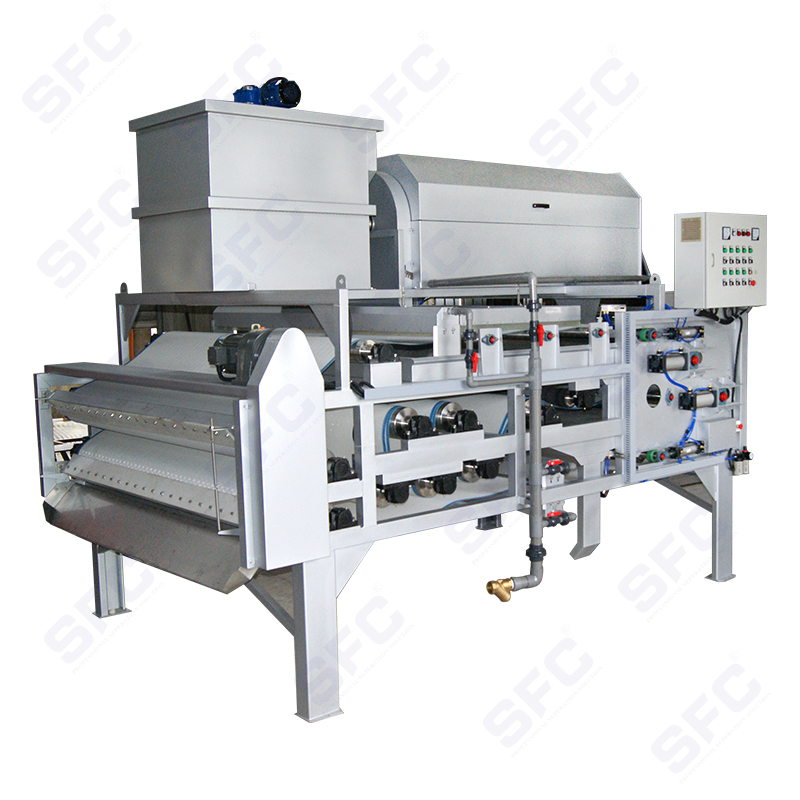 FTE series rotary drum sludge dewatering machine
-
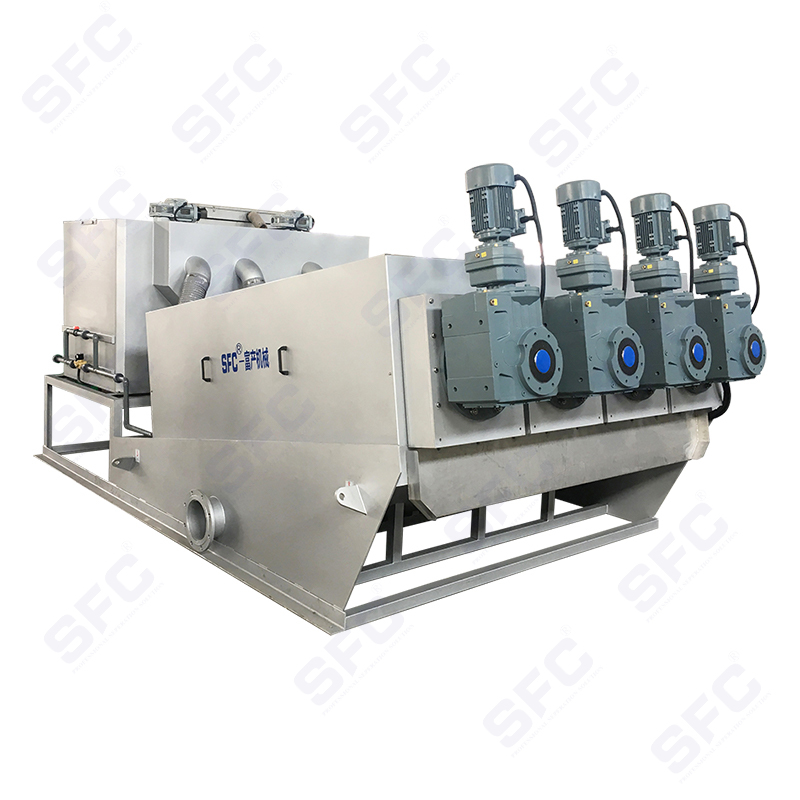 DL series screw sludge dehydrator/ screw type sludge dewatering machine
-
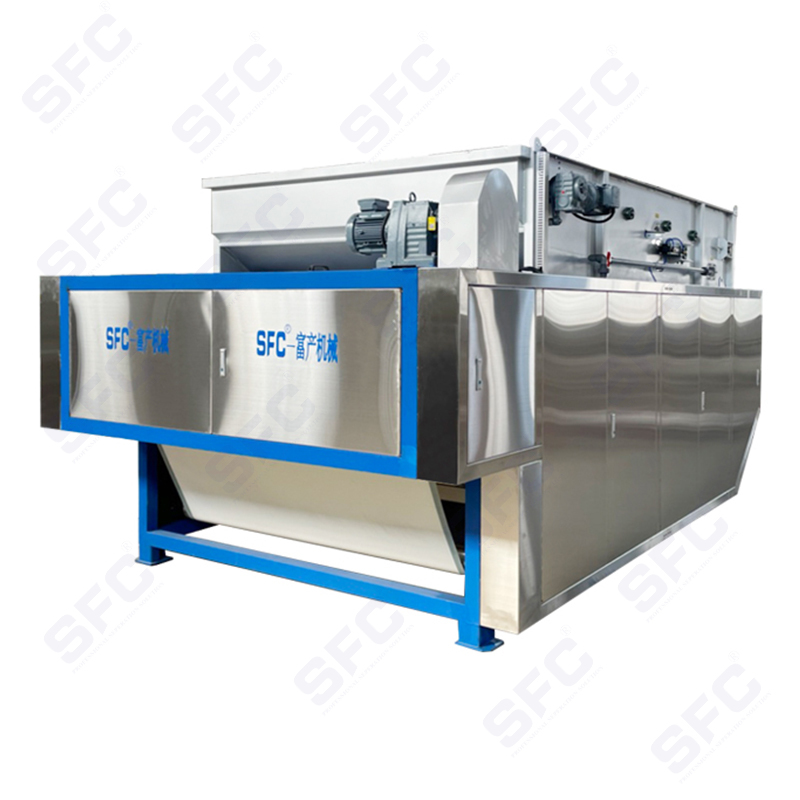 GDY series belt sludge concentration and dewatering machine
-
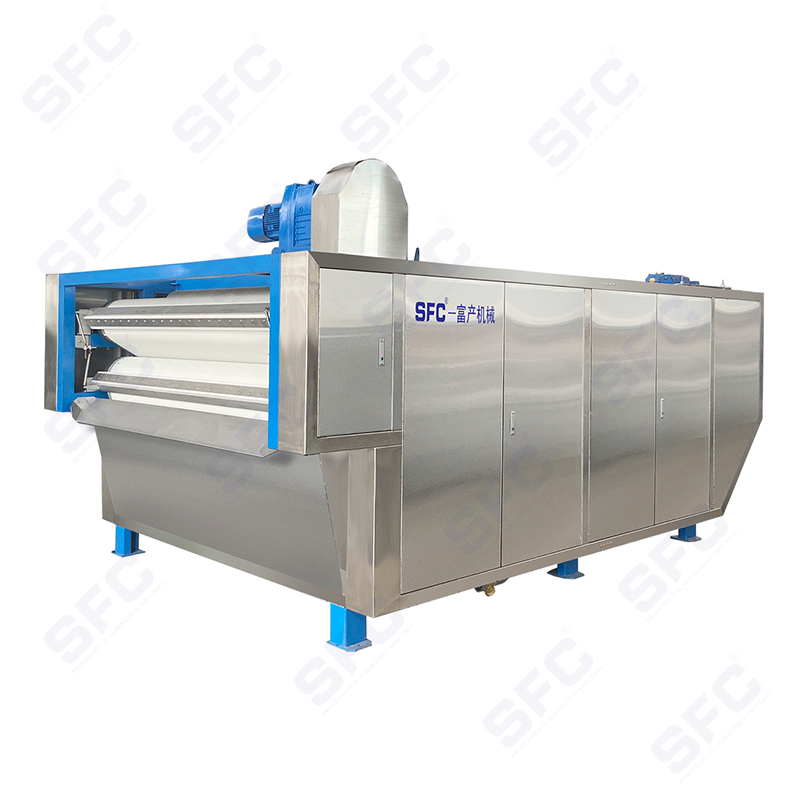 SD-High pressure sludge deep dewatering system
-
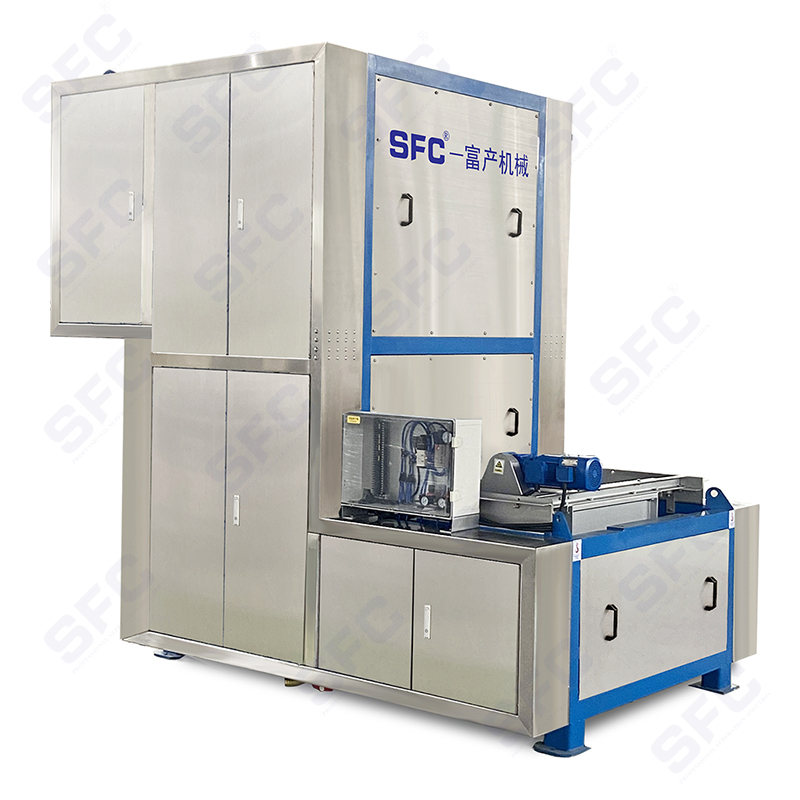 LSD-High pressure sludge deep dewatering system
-
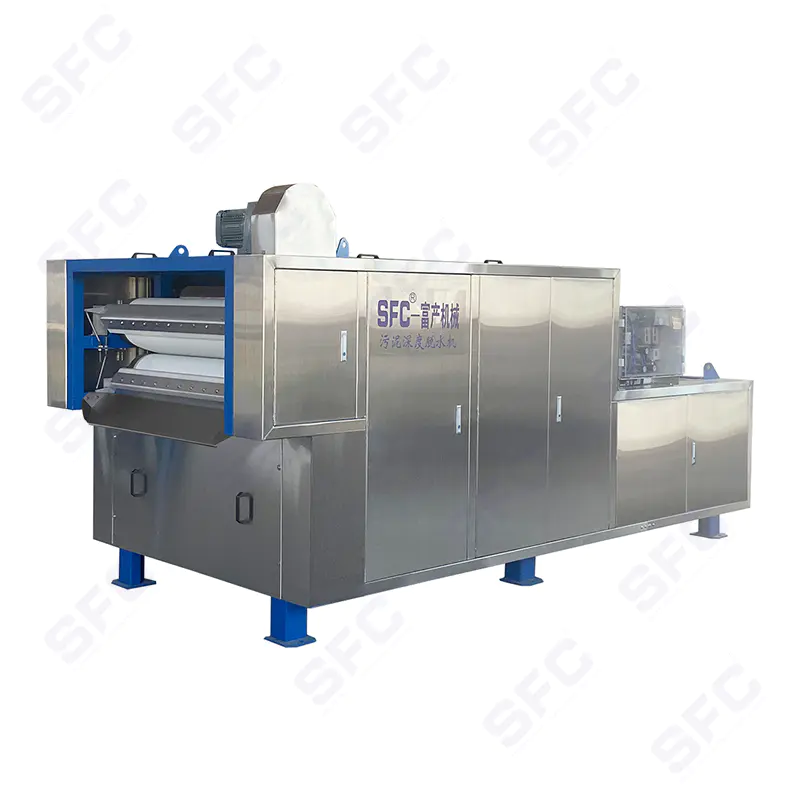 ZSD-High pressure sludge deep dewatering system
-
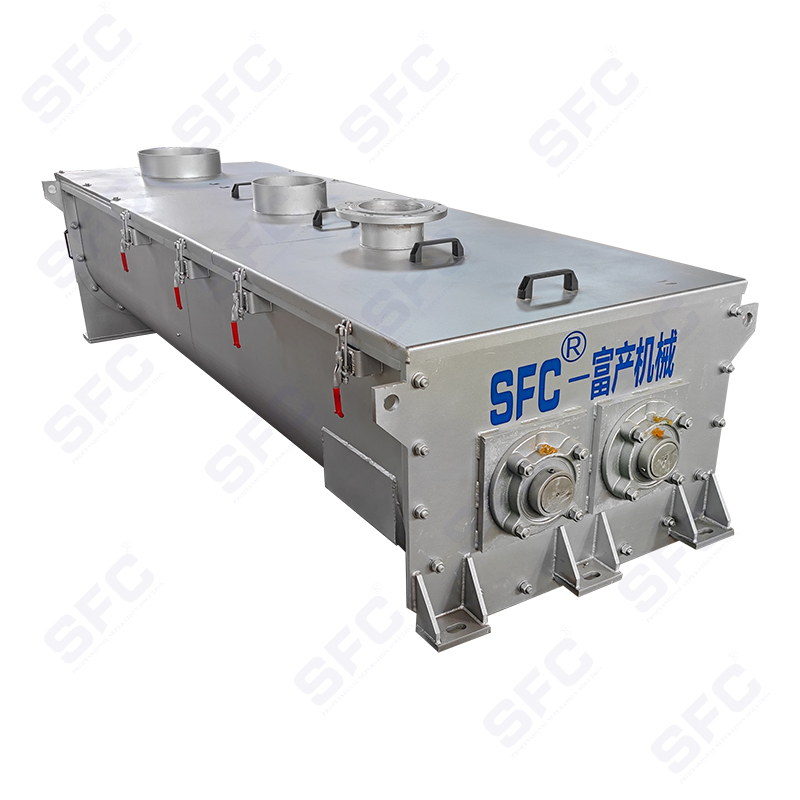 SFC-DM sludge mixer
What is the best sludge dewatering machine for my plant?
Sludge dewatering machines remove water from sewage, industrial sludge, or biosolids to reduce volume, lower disposal costs, and improve handling. This guide explains common equipment types, their operating principles, selection criteria, performance metrics, operation & maintenance practices, and optimization tips so you can pick and operate a system aligned with your plant's needs.
How sludge dewatering machines work
All dewatering machines apply mechanical, gravitational, centrifugal, or pressure-driven separation to reduce sludge moisture content. The process often begins with thickening (to increase solids concentration) and sometimes chemical conditioning (polymer flocculation) before the mechanical dewatering stage. The goal is to turn slurry-like sludge into a mechanically stable cake with free water removed.
Common types of sludge dewatering machines
Belt filter press
A belt filter press uses gravity drainage and pressure between two moving porous belts. It is continuous, suitable for medium- to large-flow plants, and has moderate energy consumption. It performs well with pre-conditioned sludge and is valued for steady output and relatively simple maintenance.
Centrifuge (decanter and disk)
Centrifuges use high rotational speeds to generate centrifugal forces that separate solids from liquids. Decanter centrifuges are continuous and compact, offering good performance for sludges with higher dry solids; disk centrifuges are used for finer separations. Centrifuges often have higher energy demand but smaller footprints.
Filter press
Filter presses are batch systems that pump sludge into a series of plates lined with filter cloth. They can achieve very high solids in the cake (low residual moisture) but require more operator attention and result in intermittent processing. Best when very dry cake is required and footprint is less of an issue.
Screw press (augur press)
Screw presses are continuous and use a conical screw inside a perforated barrel. They are mechanically simple, energy-efficient, and robust for coarse, fibrous sludges (e.g., some industrial or agricultural sludges). They often require less polymer than belt presses but produce slightly wetter cakes.

Vacuum filter / chamber filter
Vacuum filters draw filtrate through cloth using vacuum; they are suitable when low cake permeability is encountered. They are less common for municipal sludge but can be effective for particular industrial sludges and where odor control and enclosed operation are prioritized.
Key factors to consider when selecting a dewatering machine
- Feed sludge characteristics: percent solids, particle size distribution, fibrous content, organic/inorganic ratio, and rheology.
- Required cake dryness: disposal method (landfill, incineration, land application) often dictates target percent solids.
- Flow rate and hydraulic peaks: average and peak flows determine machine sizing and buffering requirements (thickeners or holding tanks).
- Available space and footprint constraints: centrifuges and screw presses are compact; belt presses require longer layouts.
- Energy consumption and operating costs: consider electricity, polymer, labor, and maintenance.
- Automation level and operator skill: batch systems need more supervision.
- Environmental and odor control requirements: enclosed systems vs open belt presses.
Performance metrics and how to calculate them
Key metrics include feed solids concentration (S_f), cake solids concentration (S_c), cake production rate (kg DS/hr), polymer dose (kg polymer/kg DS), filtrate clarity (NTU or suspended solids), throughput (m³/hr), and specific energy consumption (kWh/ton DS removed).
| Metric | Definition | Typical Range |
| Feed solids (S_f) | % dry solids in sludge | 1–6% |
| Cake solids (S_c) | % dry solids after dewatering | 15–40% (typical) |
| Polymer dose | Chemical aid per dry solids | 0.1–10 kg/ton DS |
Example calculation — cake production (kg DS/hr): If sludge flow = 10 m³/hr, feed solids = 3% (30 kg DS/m³), then cake DS/hr = 10 × 30 = 300 kg DS/hr. If target cake solids S_c = 25% then cake mass = 300 / 0.25 = 1,200 kg cake/hr. These calculations guide machine throughput sizing.
Pre-treatment: polymers and conditioning
Polymer conditioning (cationic or anionic flocculants) often dramatically improves dewatering performance. Correct polymer type and dose reduce polymer costs and improve cake dryness. Key steps include jar tests for dose optimization, pH adjustment if necessary, and ensuring even mixing with static or mechanical mixers prior to the dewatering unit.
Operation and maintenance best practices
- Routine inspection of filter cloths or belts for wear, tears, and blinding — replace or clean per condition-based schedule.
- Monitor polymer feed systems for dosing accuracy and avoid under- or over-dosing.
- Vibration and bearing checks on centrifuges; alignment and tension checks on belt presses.
- Keep records of cake dryness, polymer use, energy consumption, and downtime to spot trends and optimize operations.
- Maintain safety systems: guarding, lockout-tagout, and confined-space procedures for pressurized/batched equipment.
Common operational problems and troubleshooting
Poor cake dryness
Possible causes: insufficient polymer dose or wrong polymer type, overloaded equipment, damaged filter media, or feed with very fine particles. Troubleshoot with jar tests, check polymer feed, and inspect filter cloths.
Clogging / blinding of cloth or screens
Implement regular cloth cleaning (backwash, air/water wash), evaluate pre-thickening, and consider finer polymer selection to form stronger flocs that dewater more readily.
High energy usage
Compare energy per ton DS removed across equipment types. Optimize operational parameters (screw speed, belt tension, centrifuge G-force) and evaluate alternative equipment if energy costs are a dominant factor.
Environmental, regulatory and disposal considerations
Disposal routes (landfill, land application, incineration) determine acceptable cake moisture and contaminant limits (heavy metals, pathogens). Dewatering alone may not meet land-application pathogen standards—additional stabilization (lime, composting, thermal) or pasteurization may be required. Ensure compliance with local environmental permits regarding filtrate discharge and air emissions (odor).
Optimization tips to reduce operating cost
- Use real-time monitoring of feed solids and automated polymer dosing to avoid overuse of chemicals.
- Pre-thicken sludge using gravity thickeners or dissolved air flotation to reduce hydraulic load on dewatering equipment.
- Schedule preventive maintenance during low-flow periods to minimize downtime impacts.
- Consider heat or solar-assisted drying post-dewatering where climate and economics allow to further reduce moisture before disposal.
Frequently asked questions
- Q: How do I choose between centrifuge and belt press? A: Choose centrifuge for compact footprint and handling higher dry solids; choose belt press for continuous, steady operation with moderate capital cost and easier maintenance.
- Q: Can I dewater without polymers? A: Some mechanical units (screw press with certain sludges) can operate with minimal polymer, but most municipal sludges require polymer for acceptable cake dryness and filtrate clarity.
- Q: How often should filter media be replaced? A: Replace based on condition: visible tears, permanent blinding, or repeated poor performance — typically every 1–3 years depending on sludge abrasiveness and maintenance.
Conclusion
Selecting and operating a sludge dewatering machine requires matching sludge characteristics, required cake dryness, throughput, footprint, and operating cost constraints. Use pilot testing and jar tests to validate polymer and equipment choice, monitor performance metrics, and implement preventive maintenance. When designed and operated correctly, dewatering systems reduce disposal costs, improve handling safety, and lower the environmental footprint of sludge management.
Related products recommendations
- Phone: +86-13816732007
- Tel: +86-021-50966266
- Email: [email protected]
- Address: Room 1201.1122 Xinjinqiao Rd, Pudong new district, Shanghai PRC China
Copyright © Shanghai Fuchan Machinery Technology Co., Ltd. All Rights Reserved.
 Manufacturers Of Sludge Treatment Equipment