


 English
 Español
Hot Products
-
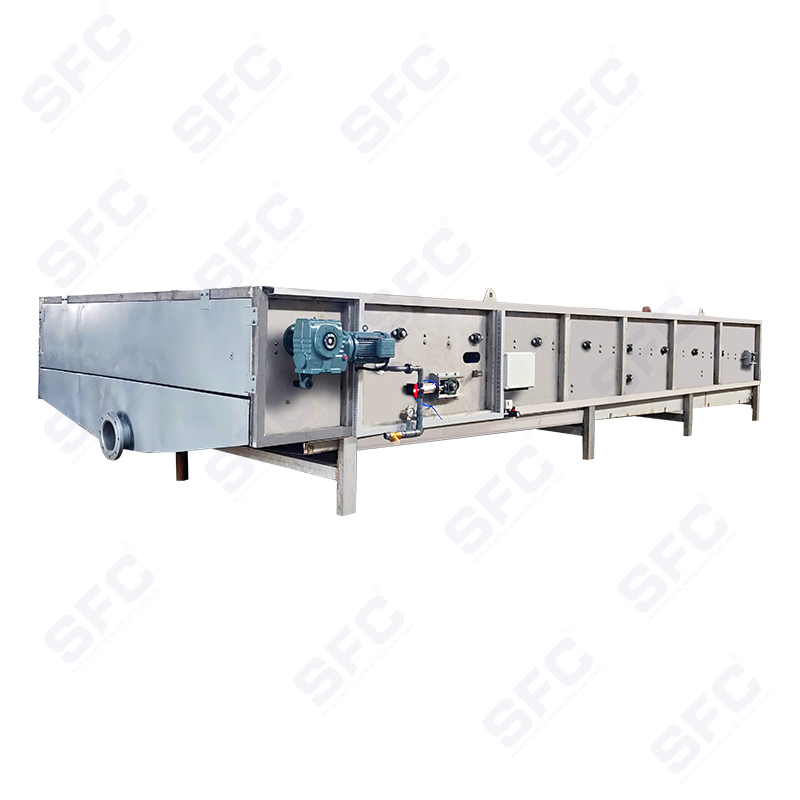 FBT series belt type sludge thickener
-
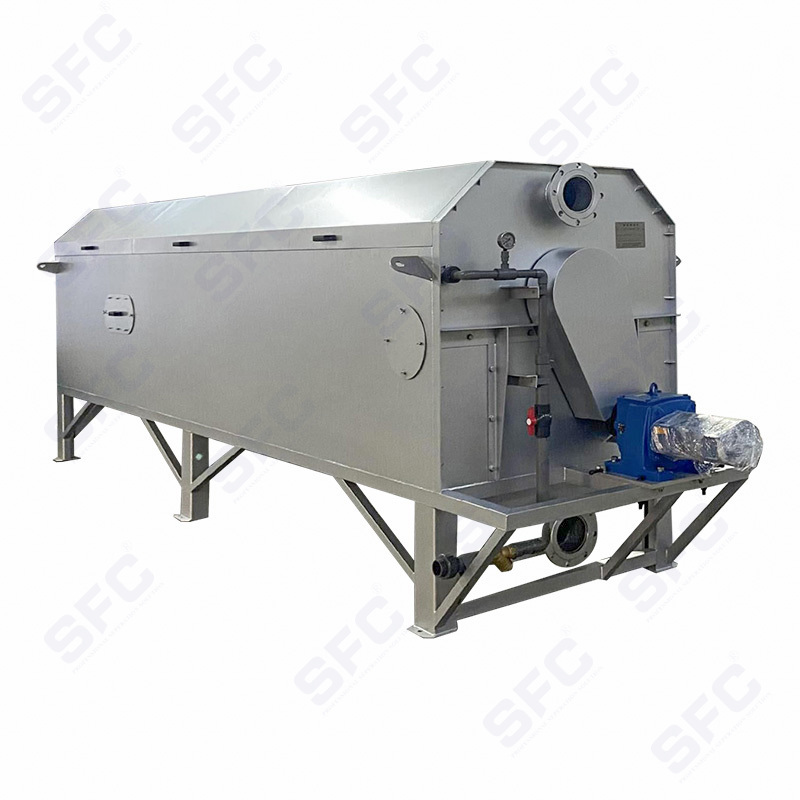 FRDT series rotary drum sludge thickener
-
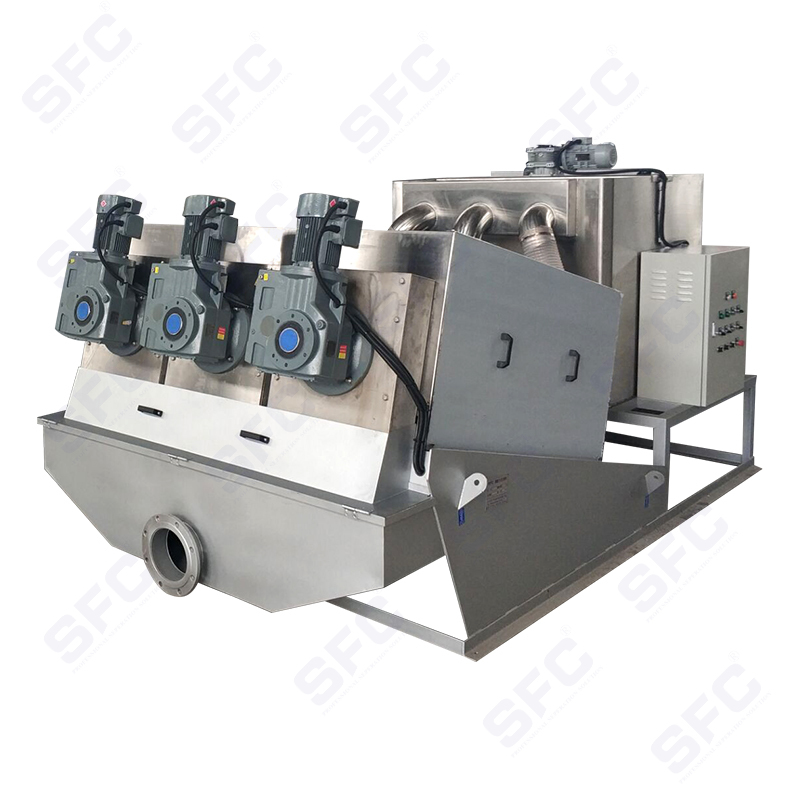 SST series screw type sludge thickener
-
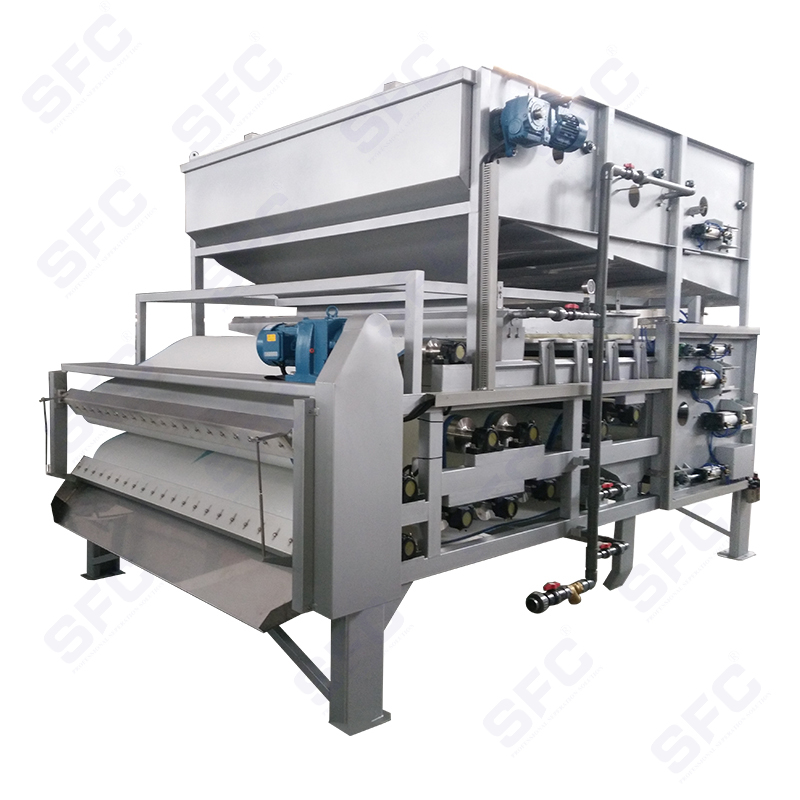 Belt type sludge thickening and dewatering machine
-
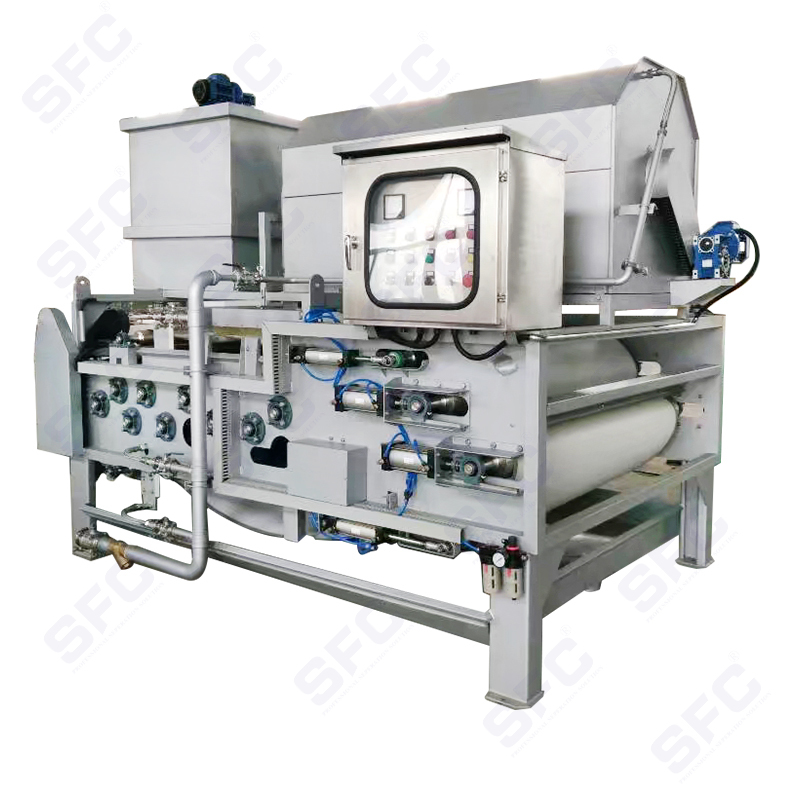 FTB series rotary drum sludge dewatering machine
-
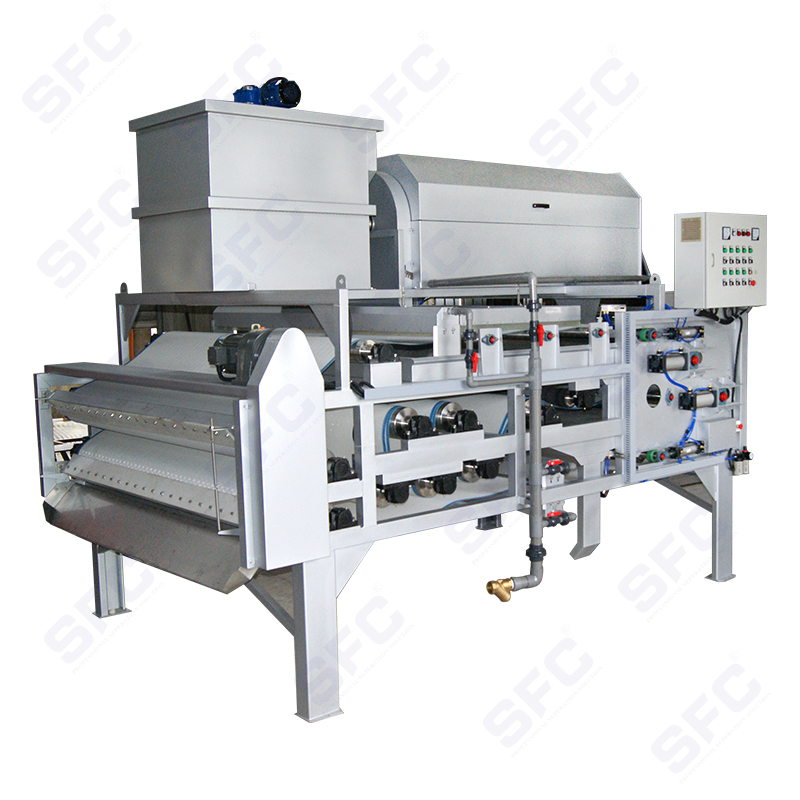 FTE series rotary drum sludge dewatering machine
-
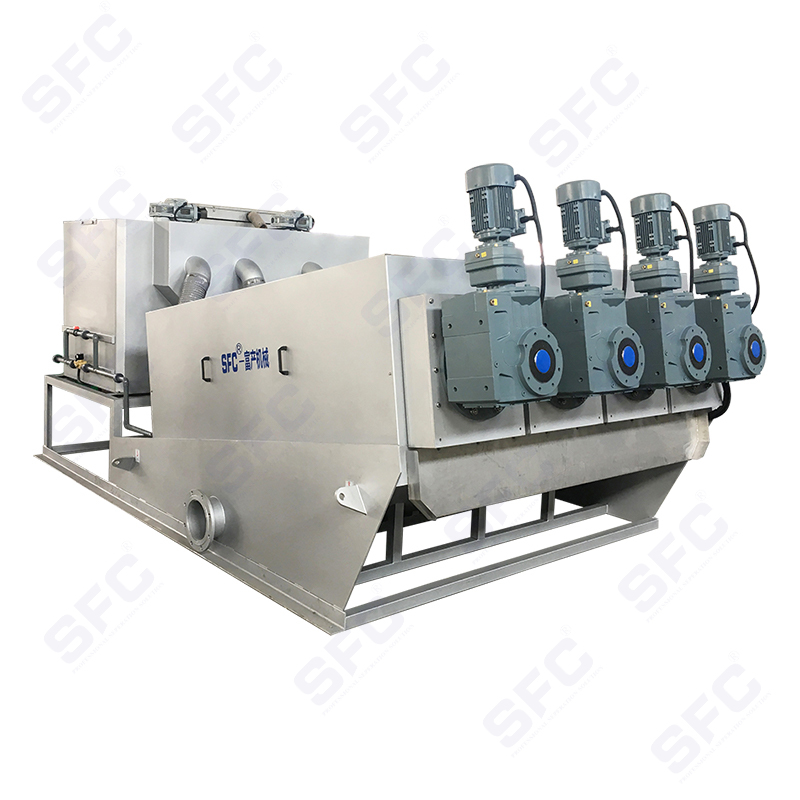 DL series screw sludge dehydrator/ screw type sludge dewatering machine
-
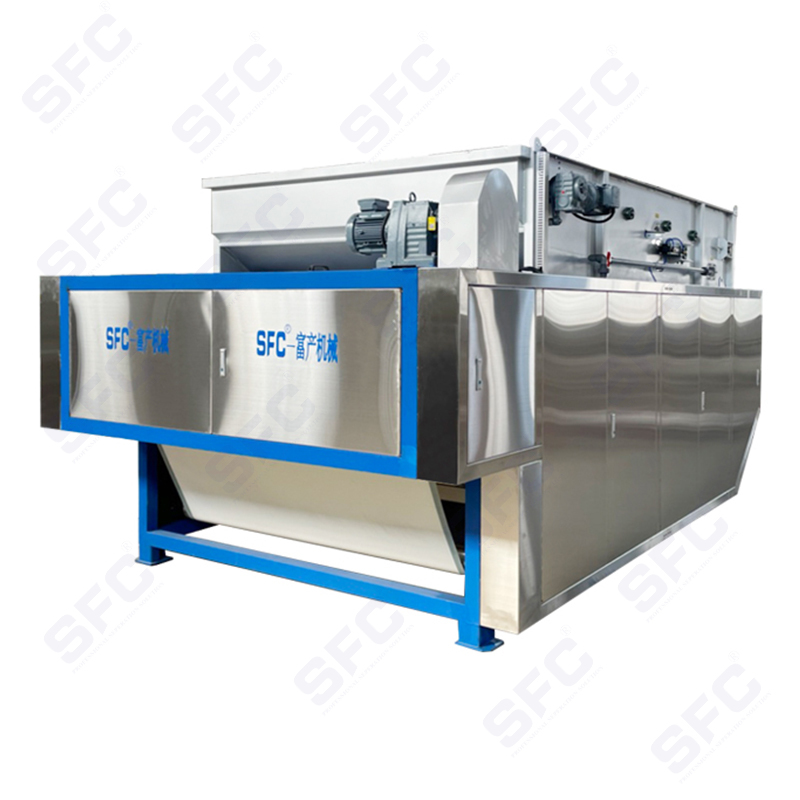 GDY series belt sludge concentration and dewatering machine
-
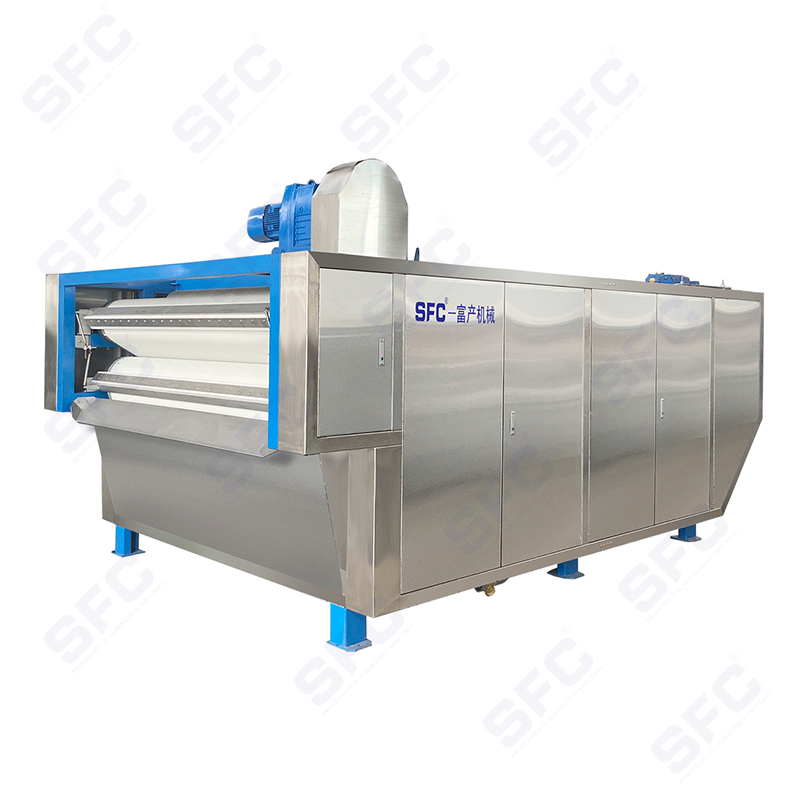 SD-High pressure sludge deep dewatering system
-
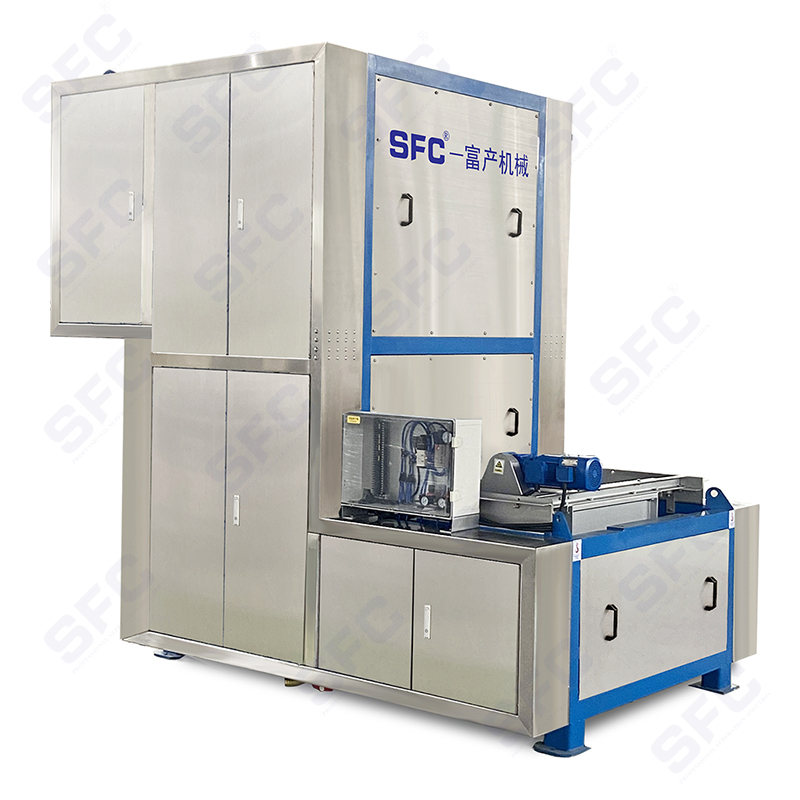 LSD-High pressure sludge deep dewatering system
-
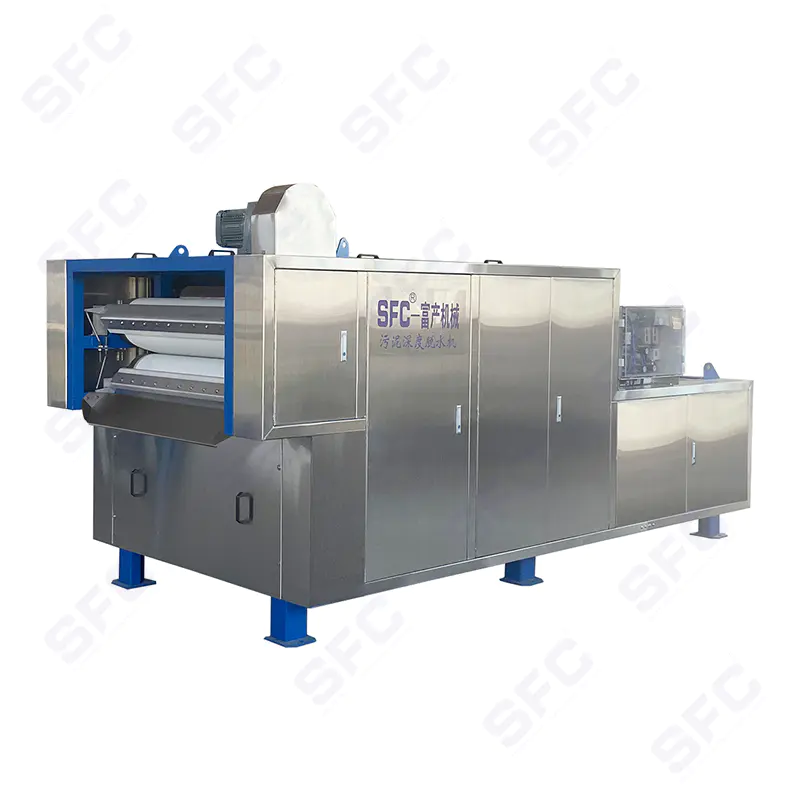 ZSD-High pressure sludge deep dewatering system
-
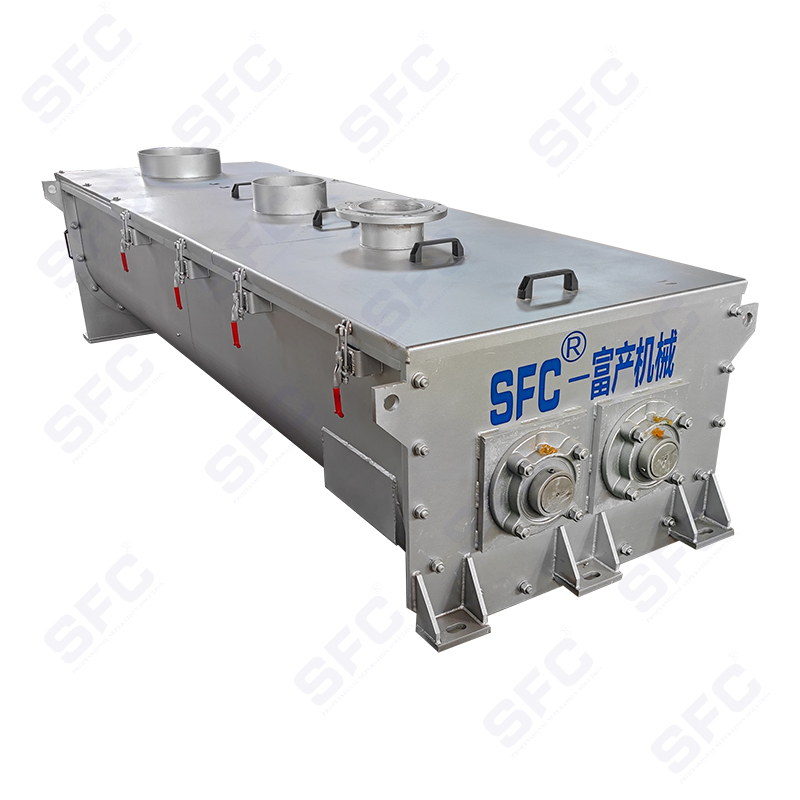 SFC-DM sludge mixer
What Types of Sludge Are Most Suitable for Processing with a Deep Sludge Dewatering Machine?
Wastewater treatment plants are responsible not only for purifying water but also for handling the byproducts of the process: sludge. Sludge management is one of the most cost-intensive and environmentally critical challenges in both municipal and industrial wastewater systems. While preliminary treatment and thickening help reduce the volume of sludge, effective dewatering is essential for reducing water content, minimizing disposal costs, and improving the sustainability of waste management.
Among the many technologies available, the deep sludge dewatering machine has gained significant attention. Known for its ability to achieve higher dryness levels than conventional belt presses or centrifuges, this equipment is particularly effective at reducing sludge volume to a fraction of its original size. However, the performance of any dewatering technology depends heavily on the type of sludge being treated.
Understanding Deep Sludge Dewatering Machines
A deep sludge dewatering machine is designed to handle sludge with higher efficiency than traditional systems. Its primary goal is to remove as much free and bound water as possible to produce a dry, stable cake. This not only reduces transportation and disposal costs but also improves the handling and safety of sludge for downstream processes such as incineration, composting, or landfilling.
The key features that distinguish deep sludge dewatering machines include:
Advanced pressure application: Multi-stage pressure ensures maximum water removal.
Higher solid content output: Produces cakes with dryness levels often exceeding 30–40%.
Automation and continuous operation: Many models feature fully automated controls, reducing labor intensity.
Adaptability: They can process a variety of sludge types with proper chemical conditioning.
With these capabilities, the suitability of sludge for deep dewatering depends largely on its composition.
1. Primary Sludge
Characteristics
Primary sludge is generated during the first stage of wastewater treatment, where settleable solids and organic matter are removed in primary clarifiers. It generally contains higher solid content (3–8%) than biological sludges and has relatively good dewaterability.
Suitability
Primary sludge is well-suited for processing in a deep sludge dewatering machine. Its particle size and organic composition allow for effective separation of water, often producing high solid cakes with minimal chemical conditioning.
Benefits
High dewatering efficiency.
Reduced polymer demand compared to other sludges.
Provides stable cakes suitable for incineration or composting.

2. Waste Activated Sludge (WAS)
Characteristics
Waste activated sludge originates from the biological treatment stage, where microorganisms consume organic pollutants. WAS typically has a low solid concentration (0.5–2%), high water retention capacity, and poor settling properties due to the colloidal nature of microbial flocs.
Suitability
While WAS is more difficult to dewater compared to primary sludge, deep sludge dewatering machines can handle it effectively, especially when aided by polymer conditioning. The machine’s advanced pressure systems break the floc structure, releasing bound water.
Benefits
Produces cakes with significantly improved dryness compared to gravity thickeners alone.
Reduces volume for further stabilization processes like digestion.
Helps control disposal costs despite challenging sludge characteristics.
3. Mixed Sludge (Primary + WAS)
Characteristics
Many wastewater treatment plants blend primary sludge with WAS before dewatering. This mixture balances the high solids content of primary sludge with the more dilute WAS.
Suitability
Mixed sludge is highly suitable for deep sludge dewatering machines. The combination often enhances dewaterability, as the primary sludge particles provide a framework that supports water release from WAS.
Benefits
Balanced sludge characteristics improve overall dewatering performance.
Produces cakes with better consistency.
Requires moderate polymer addition, reducing chemical costs.
4. Digested Sludge
Characteristics
Digested sludge results from anaerobic or aerobic digestion processes aimed at stabilizing organic matter. While digestion reduces sludge volume and odor, it also alters sludge properties, often making it finer and more difficult to dewater.
Suitability
Deep sludge dewatering machines can process digested sludge effectively, though performance depends on digestion type. Anaerobically digested sludge tends to be more difficult due to finer particle size, while aerobically digested sludge may dewater more easily.
Benefits
Significant volume reduction before disposal.
Produces dry cakes suitable for agricultural use (if regulations allow).
Works well with chemical conditioning to overcome poor settling.
5. Industrial Sludge
Characteristics
Industrial wastewater treatment produces sludges with diverse characteristics depending on the source—food and beverage, chemical, textile, or metal processing industries. These sludges may contain high organic matter, heavy metals, or chemical residues.
Suitability
Deep sludge dewatering machines are often preferred for industrial sludges because they can handle higher variability and challenging compositions. With proper pre-treatment and conditioning, even oily or chemically complex sludges can be processed effectively.
Benefits
Allows plants to meet strict disposal regulations.
Produces high-dryness cakes that reduce hazardous waste transport costs.
Flexible enough to manage a wide range of sludge types with adjustment.
6. Septic Sludge
Characteristics
Septic sludge or septage comes from septic tanks and contains a mix of raw organic material, grit, and suspended solids. It often has a high water content and variable composition.
Suitability
Deep sludge dewatering machines can process septic sludge, but grit and sand removal is necessary beforehand to avoid equipment wear. Proper conditioning improves performance.
Benefits
Provides a manageable dry cake that is easier to transport.
Reduces odor and improves safety for handling.
Can integrate with municipal sludge treatment systems.
7. Oily or Greasy Sludge
Characteristics
Generated from food processing, refineries, or petrochemical industries, oily sludges contain fats, oils, and grease that make water separation very difficult.
Suitability
Although oily sludge is challenging, deep sludge dewatering machines equipped with chemical conditioning and pre-treatment (e.g., dissolved air flotation) can handle it. The high pressure and multi-stage design allow for better release of emulsified water.
Benefits
Significantly reduces the volume of oily waste.
Produces cakes that are safer for incineration or controlled disposal.
Prevents environmental contamination.
Factors Influencing Suitability
While the above sludge types can all be processed using deep sludge dewatering machines, performance depends on several factors:
Solid concentration – Higher initial solid content generally improves dewatering.
Organic content – High organic or colloidal matter reduces dewaterability.
Particle size distribution – Fine particles hold more water, making dewatering harder.
Chemical conditioning – Use of polymers, coagulants, or lime improves water release.
Pretreatment processes – Grit removal, digestion, or flotation can enhance results.
Conclusion
Deep sludge dewatering machines are versatile and highly effective at reducing sludge volume across a wide range of wastewater treatment scenarios. Primary sludge, mixed sludge, and industrial sludges are particularly well-suited for processing, delivering high dryness levels and manageable cakes. While waste activated sludge, digested sludge, and oily sludges are more challenging, modern machines equipped with chemical conditioning can still achieve impressive results.
By selecting the right sludge type and optimizing conditioning, treatment plants can maximize the efficiency of deep sludge dewatering machines. This not only reduces transportation and disposal costs but also contributes to more sustainable and environmentally friendly sludge management practices.
Related products recommendations
- Phone: +86-13816732007
- Tel: +86-021-50966266
- Email: [email protected]
- Address: Room 1201.1122 Xinjinqiao Rd, Pudong new district, Shanghai PRC China
Copyright © Shanghai Fuchan Machinery Technology Co., Ltd. All Rights Reserved.
 Manufacturers Of Sludge Treatment Equipment